Engineered for high performance, maximum safety, and structural resilience in South American commercial climates.
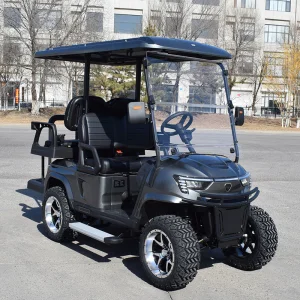
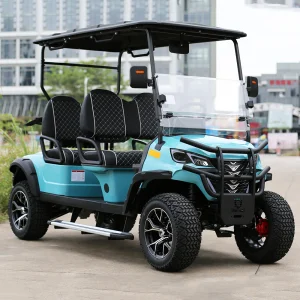
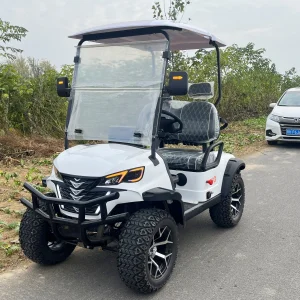
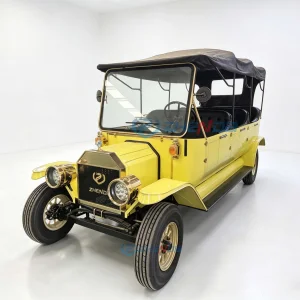
Paraguay is positioned uniquely within the South American renewable energy spectrum. As co-owner of the massive Itaipu Binacional Hydroelectric Dam, along with the Yacyretá Dam, Paraguay generates nearly 100% of its electricity from clean, renewable sources. This abundance of clean, low-cost domestic electricity has ignited a major structural transition toward electromobility, particularly in the micro-mobility, low-speed electric vehicle (LSEV), and commercial sightseeing fleet sectors.
Unlike countries reliant on heavy fossil fuel imports, Paraguay presents a highly favorable economic equation for fleet managers transitioning to electric golf carts and sightseeing passenger shuttles. The operational cost of charging an electric sightseeing buggy in regions like Central Department, Alto Paraná, and Itapúa is a fraction of internal combustion engine (ICE) maintenance costs. The Paraguayan National Government, through its Electromobility Promotion Policies, actively encourages the adoption of electric vehicles by offering significant import tax reliefs and streamlined registration frameworks for road-legal electric micro-vehicles.
However, deployment within the Paraguayan topography presents distinct engineering challenges. Cities like Asunción contain historic paved zones as well as steep transitions, while suburban residential masterplans (barrios cerrados) in San Bernardino (Ypacaraí Lake region) and Luque frequently combine asphalt with unpaved, sandy, or cobblestone terrain. Furthermore, the sub-tropical climate of Paraguay—characterized by intense summer temperatures exceeding 40°C and seasonal torrential rainfall—requires sightseeing golf carts built with robust thermal management systems, high-torque AC motors, and high-degree IP-rated sealing (minimum IP65 for electronics) to protect crucial components from moisture and dirt intrusion.
Advanced mobility vehicles built for demanding applications, security patrol, and luxury passenger shuttle operations.
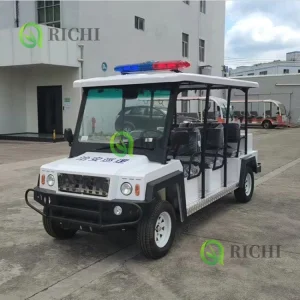
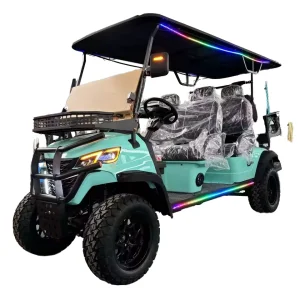
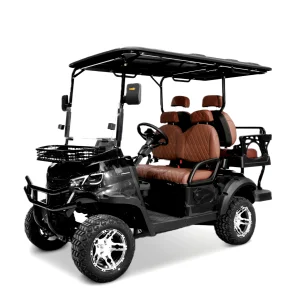
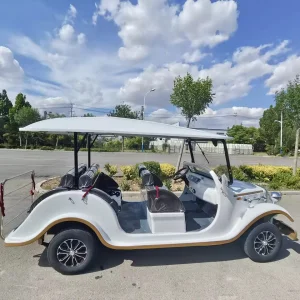
The global marketplace for passenger shuttles and sightseeing vehicles has undergone a radical transformation. Traditional manufacturers located in North America and Western Europe operate on high overhead structures, resulting in steep retail costs and rigid customization parameters. Conversely, specialized Chinese manufacturing hubs integrate the entire raw-to-finish production lifecycle within regional industrial corridors. By consolidating steel chassis fabrication, robotic welding, high-density polyethylene thermoforming, and advanced lithium battery cell assembly within a single location, Chinese facilities generate economies of scale that reduce unit procurement costs by 30% to 50% without sacrificing material grade.
Furthermore, China is the undisputed epicenter of global battery technology. Carts sourced from elite Chinese factories feature advanced Lithium Iron Phosphate (LiFePO4) chemistry directly paired with smart Battery Management Systems (BMS). Compared to outdated lead-acid technologies, these systems deliver a lifespan exceeding 3,000 cycles, handle high-temperature subtropical environments without thermal runaway risks, and require absolutely zero maintenance. Standard configurations also feature regenerative braking systems that feed energy back into the battery pack during descents, minimizing mechanical wear on hydraulic systems while extending operational range.
High-tensile steel frames subjected to electrophoretic dipping and hot-dip galvanization ensure complete protection against moisture, oxidation, and road-salts prevalent in high humidity.
Integrated GPS tracking, geofencing capabilities, dynamic load sensors, and remote diagnostic systems facilitate effortless oversight of multi-vehicle resort or municipal deployments.
Brushless AC motors rated at 4kW, 5kW, or 7.5kW paired with Curtis (USA) or Toyota (Japan) controllers provide unmatched torque, high energy efficiency, and steep grade climbing ability.
A premier industrial manufacturer of electric golf carts, multi-passenger sightseeing vehicles, and custom utility transport solutions tailored for international export and extreme performance markets.
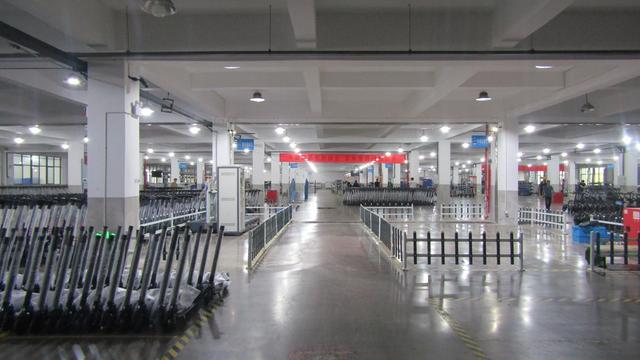
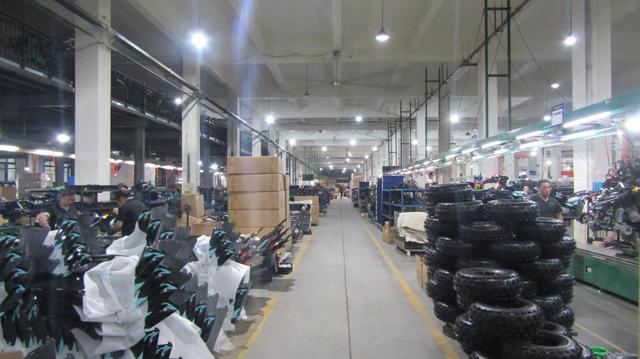
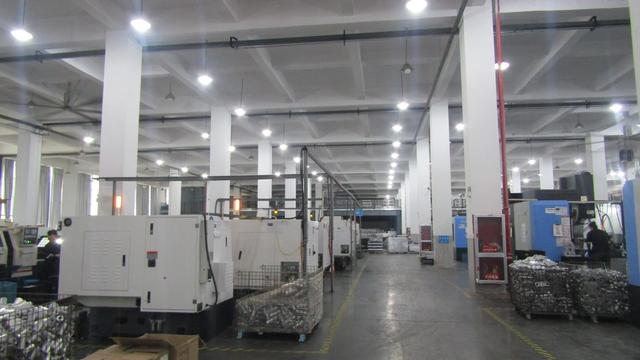
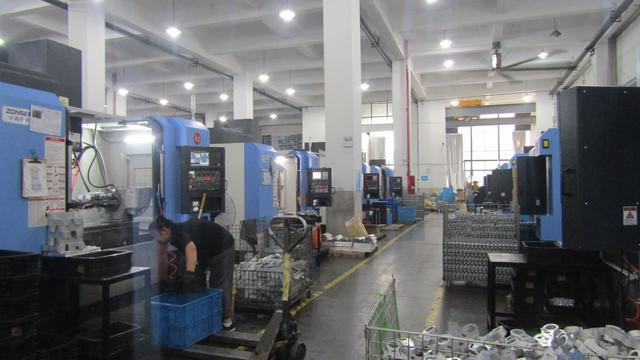
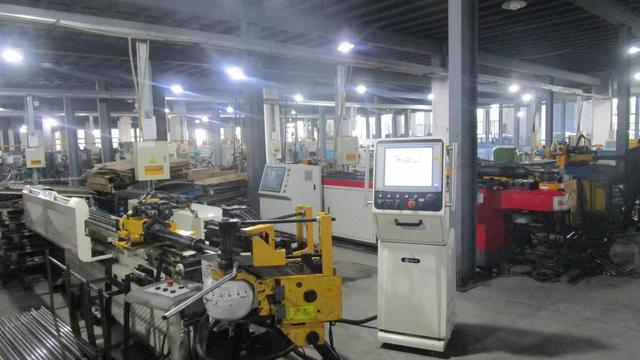
Established in 2012, Hangzhou Sarr Golf Co., Ltd. is a specialized enterprise at the forefront of the low-speed electric vehicle (LSEV) revolution. Headquartered in Hangzhou, China, our operations are housed in a modern, state-of-the-art manufacturing facility spanning over 18,000 square meters. Guided by an advanced engineering philosophy and a workforce of more than 180 skilled professionals—including senior mechanical design engineers, battery management system (BMS) developers, and rigorous quality control specialists—Sarr Golf has established itself as an industry leader in specialized transportation systems.
Our technology integrations enable us to design and engineer premium electric utility vehicles, resort passenger transport, campus shuttles, and municipal street-legal carts. Every vehicle undergoes a thorough, simulated testing cycle before dispatch. Our quality assurance protocol includes electronic diagnostic evaluation, grade-climbing tests, water tightness testing, and suspension strain profiling under loaded conditions. This ensures that when products reach international destinations, such as the Port of Villeta or Asunción in Paraguay, they are immediately mission-ready.
Through versatile OEM and ODM services, Sarr Golf provides client-driven personalization. We work closely with municipal development teams, resort developers, and private buyers to tailor features including battery type (LiFePO4 or lead-acid), motor output (up to 7.5kW), tire configurations, body colors, seating capacity, and integrated accessories like solar panels or heavy-duty cargo boxes. Today, our vehicles serve commercial communities, educational campuses, gated estates, and public parks throughout North America, Europe, the Middle East, Southeast Asia, and South America.
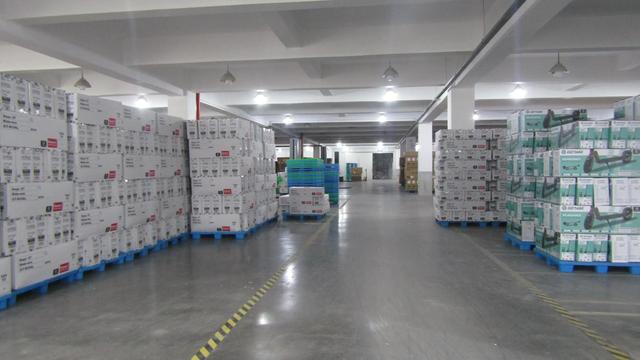
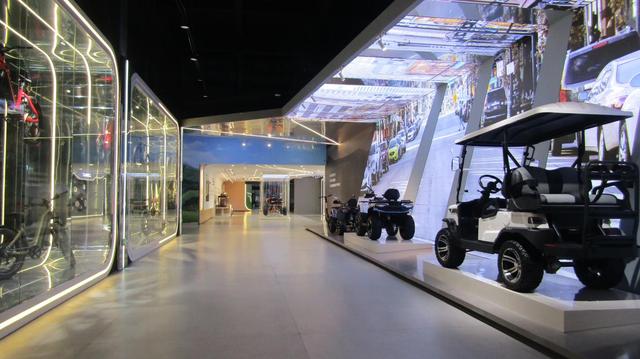
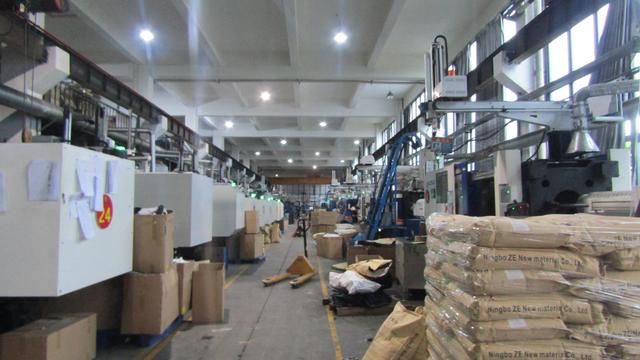
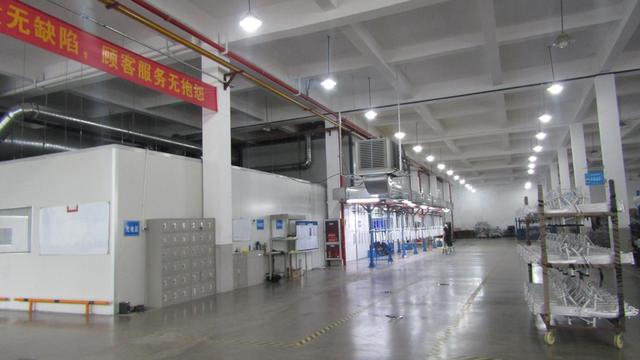
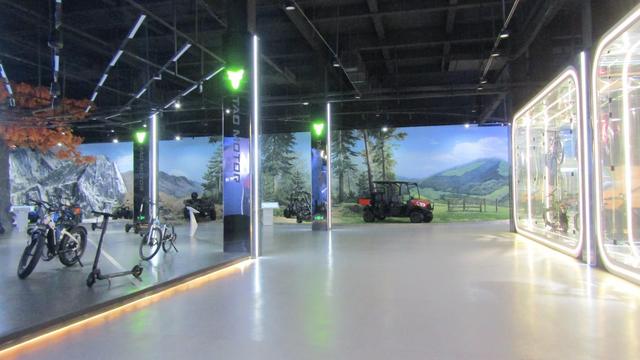
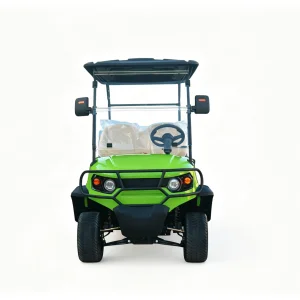
Explore our broad range of customizable low-speed electric transport options, designed for gated estates, resorts, cities, and golf courses.
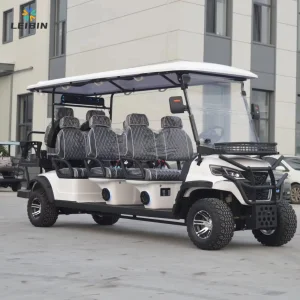
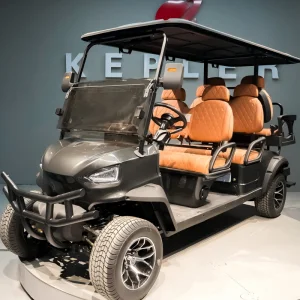
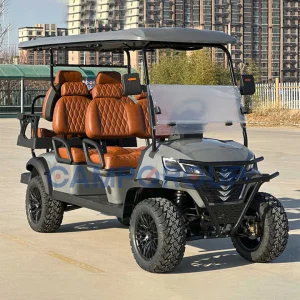

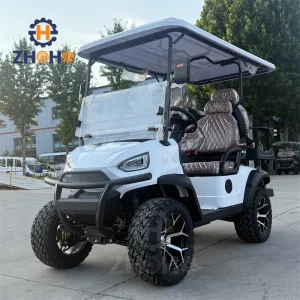
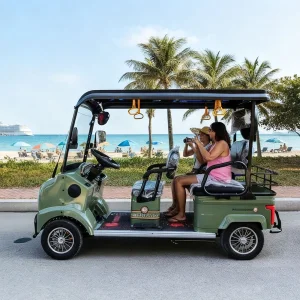
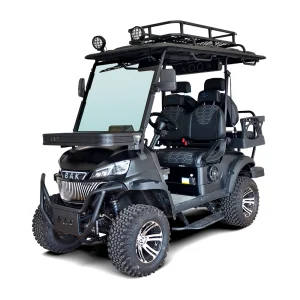
Within Paraguay, the integration of sightseeing golf carts spans multiple key sectors. First, residential masterplans and barrios cerrados (such as those in Luque, Lambaré, and the premium lakeside projects of San Bernardino) require clean, quiet vehicles for internal transport. The zero-emission profile of electric carts preserves air quality and neighborhood tranquility.
Second, the eco-tourism and hospitality sector—concentrated along the Paraná and Paraguay River basins, historical jesuit ruins of Itapúa, and luxury resort developments—uses high-capacity passenger shuttles (6-seater and 8-seater configurations) to move guests across large properties. Third, industrial parks and logistics ports near Asunción utilize heavy-duty utility carts for emission-free personnel transport and light cargo handling.
From an engineering perspective, importing standard standard-spec golf carts into Paraguay can lead to premature component failure. To avoid this, Sarr Golf implements specific upgrades for subtropical markets:
Answers to critical questions regarding logistics, import compliance, customs procedures, and technical specifications for buyers in Paraguay.
Since Paraguay is landlocked, sea shipments are routed to deepwater sea ports, primarily Montevideo (Uruguay) or Buenos Aires (Argentina). Carts are then loaded onto river barges traveling up the Paraná-Paraguay waterway to terminals in Asunción, Villeta, or San Antonio. The transit time typically ranges from 45 to 60 days. Vehicles are secured inside high-cube shipping containers in either SKD (Semi-Knocked Down) or CKD (Completely Knocked Down) configurations to maximize volume and reduce transport costs.
Under the Law for the Promotion of Electric Mobility in Paraguay, importing fully electric vehicles (including LSEVs and low-speed sightseeing carts) yields significant exemptions. Importers benefit from 0% customs duties (Arancel Aduanero) and reduced VAT (IVA) rates compared to internal combustion engines. This policy significantly reduces the total cost of ownership for commercial entities and resort operators.
Paraguayan summers are hot, and traditional lead-acid batteries degrade rapidly in extreme temperatures, requiring regular maintenance. LiFePO4 chemistry is chemically stable, has a thermal runaway temperature threshold above 60°C, and offers a life span of over 3,000 cycles at 80% Depth of Discharge (DoD). Furthermore, it requires no fluid top-offs, making it ideal for low-maintenance commercial operations.
Yes. We specialize in off-road modifications. This includes lifting the suspension by 2 to 4 inches, integrating rugged off-road tires with deep treads, upgrading to high-torque AC motors (5kW or 7.5kW), and installing independent double-wishbone suspension systems to manage unpaved roads and steep slopes.
Every sightseeing vehicle is built in compliance with international low-speed electric vehicle standards. We offer CE certificates, ISO 9001 factory quality system registration, and select options that meet DOT/EEC requirements for road-legal microcars. This includes safety glass windscreens, three-point seat belts, headlights, side mirrors, and integrated horn and turn signals.
We offer a 2-year warranty on major structural components, including the frame and suspension, and up to a 5-year warranty on premium lithium battery packages. We supply critical wearing parts (braking components, switches, bushings) with initial shipments. Replacement parts can be dispatched via express air freight to Asunción within 5 to 7 business days.
Get in touch with our technical engineering sales division. We provide customized configurations, shipping cost optimization to Paraguay, and special wholesale pricing for fleet procurement.
 Sarr Golf