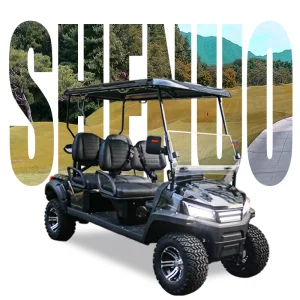
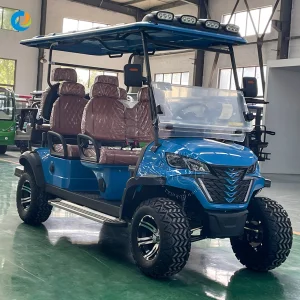
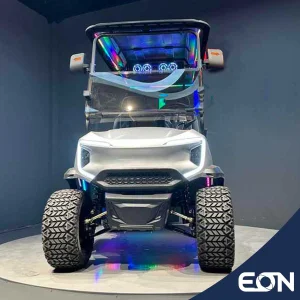
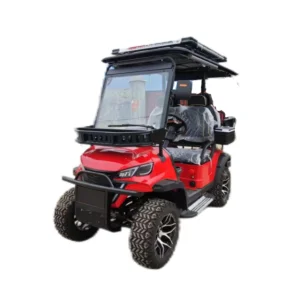
Direct factory supply models engineered with integrated solar-harvesting photovoltaic arrays.
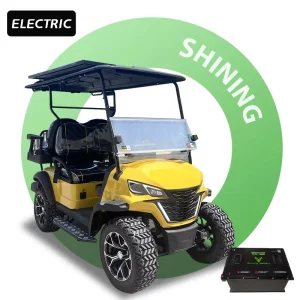
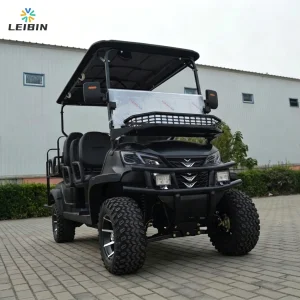
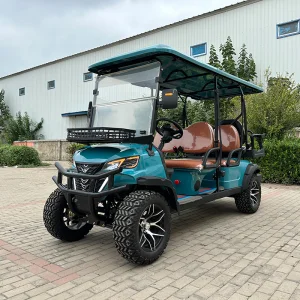
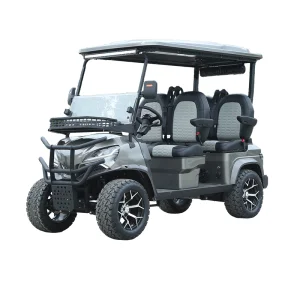
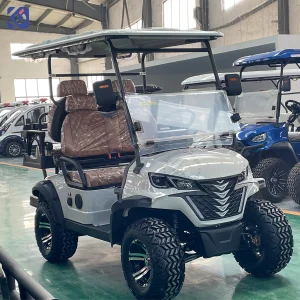
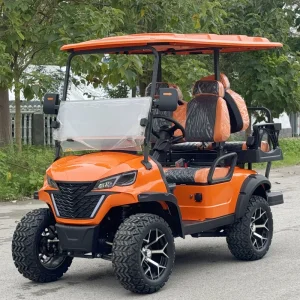
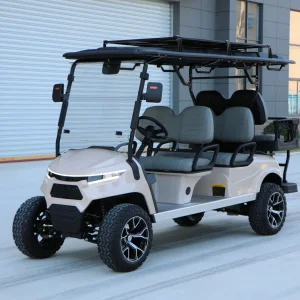
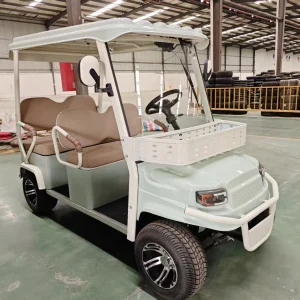
The global transition toward carbon neutrality is driving significant innovation in the Low-Speed Vehicle (LSV) industry. Among these advancements, the integration of solar-assisted technology into electric golf carts represents a monumental leap forward in commercial and industrial fleet management. Historically utilized almost exclusively for recreational golfing, modern electric golf carts have transformed into essential assets for commercial resorts, academic campuses, airports, manufacturing complexes, and gated residential communities.
According to current market intelligence, the global solar-assisted golf cart sector is experiencing a Compound Annual Growth Rate (CAGR) of over 8.5%. This expansion is fueled by rising electricity grid costs, global decarbonization initiatives, and ESG (Environmental, Social, and Governance) targets set by multinational organizations. By leveraging high-efficiency monocrystalline and thin-film photovoltaic (PV) systems integrated into the vehicle's roof structure, operators can capture solar energy dynamically, both during operation and while parked. This continuous trickle-charging method reduces relying on grid charging, lowers utility costs, and extends the operational lifespan of the internal battery packs.
Designing premium-grade solar-assisted golf carts requires addressing unique mechanical and electrical challenges. Traditional vehicle roofs are simple structural plastic shields; in solar-assisted variants, the roof becomes a functional energy generation plant. Heavy-duty aluminum structural frames, lightweight aerodynamic profiles, and high-efficiency photovoltaic materials must be carefully balanced to prevent making the vehicle top-heavy.
Manufacturers currently leverage two primary solar integration pathways:
The efficiency of a solar cart depends heavily on the compatibility of its charge controllers, batteries, and drivetrain. Modern architectures use Maximum Power Point Tracking (MPPT) solar controllers, which continuously adjust electrical input to match battery charging needs, even under partial shade. These systems are paired with 48V, 60V, or 72V Lithium Iron Phosphate (LiFePO4) battery packs, which offer longer cycle life, faster charging, and safer operation than traditional flooded lead-acid batteries. High-power AC motors (ranging from 2KW to 7.5KW) deliver steady torque for off-road and street-legal transport.
| Specification Parameter | Standard Electric Golf Cart | Solar-Assisted Lithium Golf Cart | Industrial High-Output Solar Buggy |
|---|---|---|---|
| System Voltage | 36V - 48V (Lead-Acid) | 48V - 60V (Lithium) | 72V (High-Capacity LiFePO4) |
| Motor Type / Output | 2.0KW - 3.3KW DC Motor | 4.0KW - 5.0KW AC Motor | 7.5KW AC Brushless Motor |
| Solar Output Capacity | None | 200W - 350W MPPT Array | 400W - 550W High-Yield Array |
| Average Range Extension | 0 km (Grid Dependent) | 15 km - 25 km / day (Solar charge) | 30 km - 45 km / day (Solar charge) |
| Battery Lifespan | 2 - 3 Years (500 cycles) | 7 - 10 Years (3000+ cycles) | 10+ Years (4500+ cycles) |
Leading Global Manufacturer of Sustainable Electric Mobility & Commercial Transport Solutions.
Established in 2012 and headquartered in Hangzhou, China, Hangzhou Sarr Golf Co., Ltd. is a leading manufacturer specializing in electric golf carts, utility vehicles, and commercial transport systems. Over the past decade, we have expanded to a modern 18,000 square meter facility staffed by over 180 experienced engineers, quality control specialists, and technicians.
We offer flexible OEM and ODM services, enabling our clients to customize seating capacities, battery chemistries, custom color schemes, high-torque lift kits, and integrated solar architectures. Our products are exported to North America, Europe, the Middle East, Southeast Asia, and Oceania.
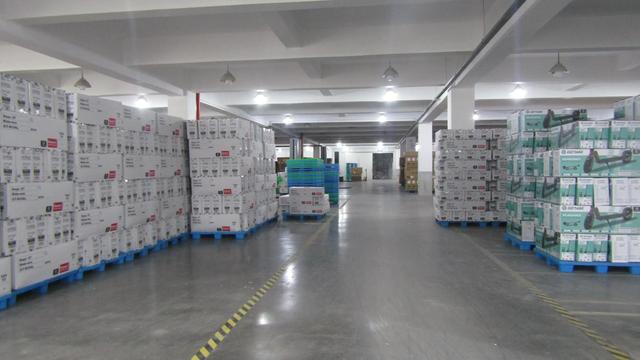
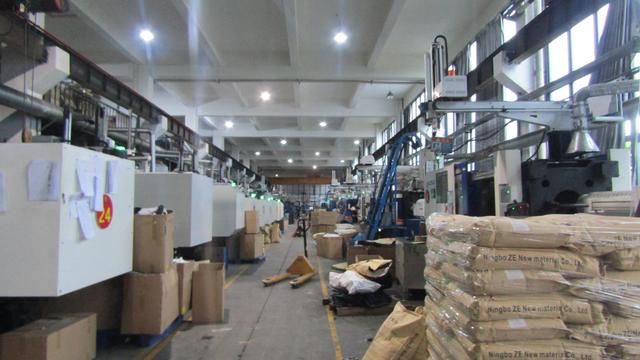
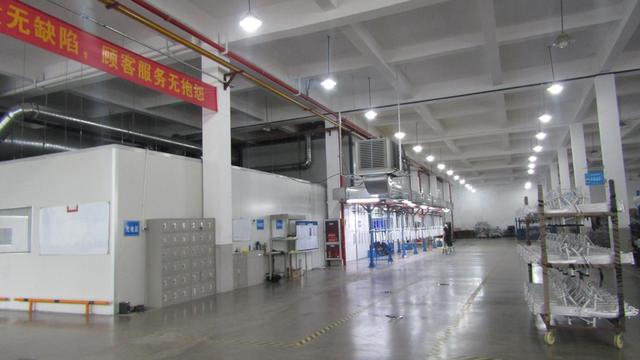
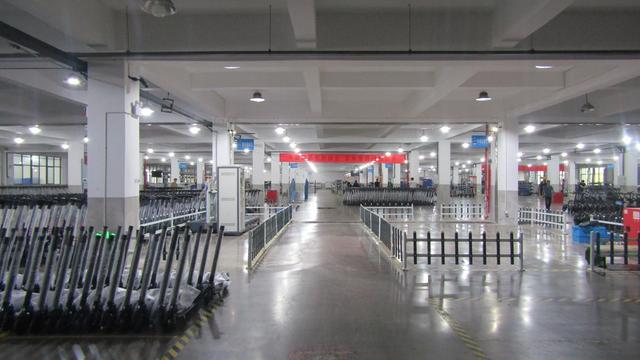
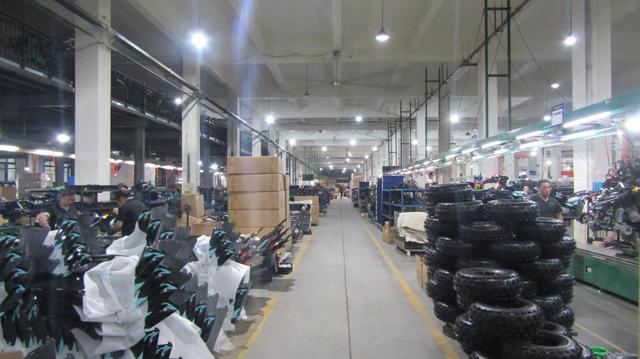
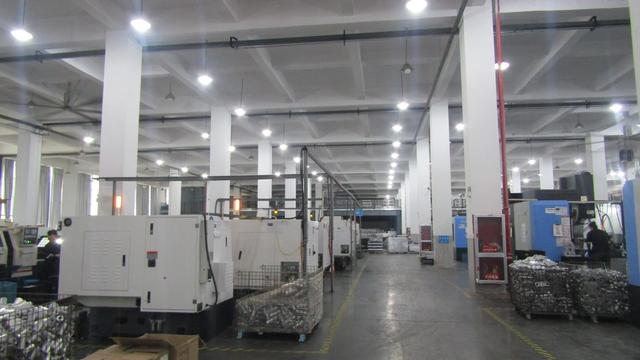
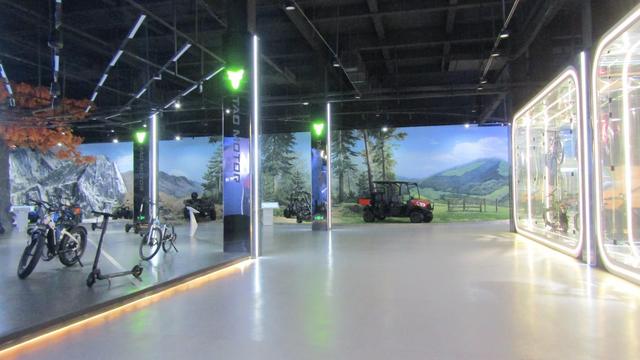
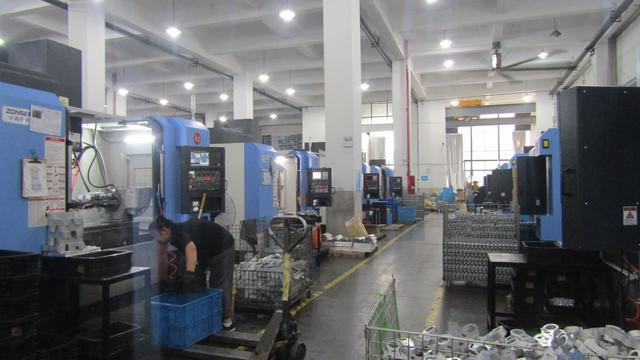
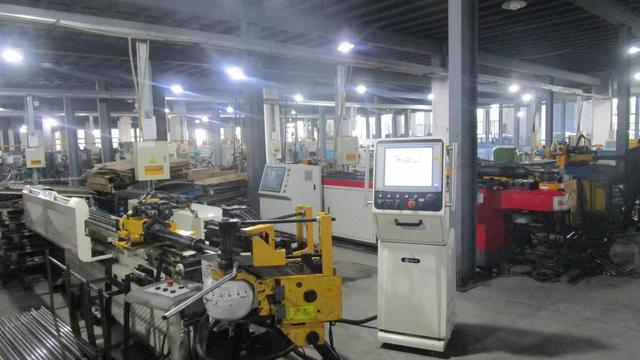
Below is a look inside Sarr Golf's modern assembly workshops, quality inspection bays, and customized shipping centers. We manage every step of the process—from steel chassis welding and anti-corrosive powder coating to electrical testing—to ensure safety, comfort, and performance.
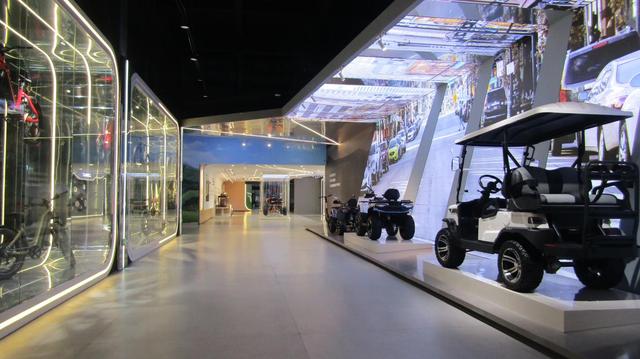
Solar-assisted golf carts are versatile vehicles suited for diverse environmental and operational contexts worldwide. By matching battery capabilities and solar capacities with specific regional needs, fleet operators can optimize both vehicle performance and return on investment.
In tropical areas, island resorts, and isolated national parks, grid power is often expensive or generated by diesel. Solar-assisted carts utilize local sunlight to offset charging costs and support "eco-friendly" tourism branding.
For facility maintenance, logistics, and personnel movement across large industrial sites, solar-assisted utility carts provide continuous operation. Trickle-charging while parked outdoors reduces down-time and the need for dedicated charging bays.
Many communities mandate low-noise, zero-emission vehicles. Solar-assisted carts easily meet these standards for daily errands, school drop-offs, and short trips, while reducing the load on local neighborhood grids.
For back-country excursions, lifted off-road solar golf carts provide high torque and silent operation. The solar panel acts as an emergency energy source, helping prevent vehicles from becoming stranded far from grid charging stations.
To support the adoption of solar-assisted fleets, manufacturers are developing integrated macro solutions. This goes beyond selling individual carts to designing comprehensive vehicle networks that connect with smart infrastructure.
Modern fleets are increasingly managed via cloud-based software. IoT modules on the carts track battery state of charge (SoC), solar input metrics, and vehicle location in real time. This allows managers to analyze solar energy generation trends and plan routes that maximize solar exposure.
Future solar carts will act as mobile power sources. During power outages or in remote locations, a cart's lithium battery pack can power tools, lighting, or emergency equipment through integrated V2L ports, serving as a clean alternative to gas generators.
A key focus of current research is the sustainability of the vehicle components. This includes using recycled aluminum for structural frames and ensuring solar panels are designed for end-of-life disassembly and recycling.
Answers to common questions regarding technical features, charging, and maintenance.
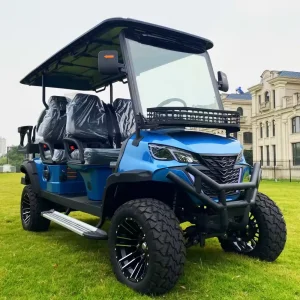
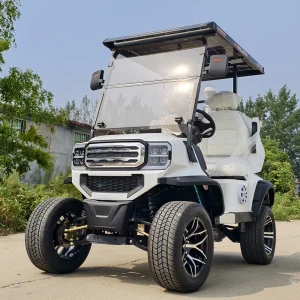
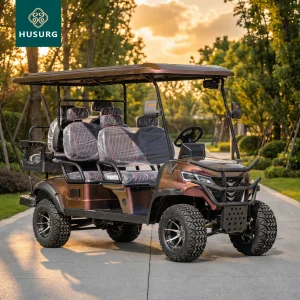
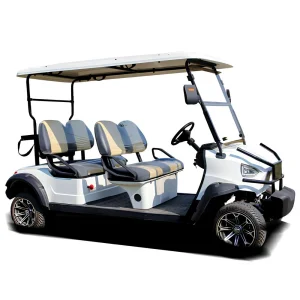
From compact personal buggies to heavy-duty off-road utility transport vehicles.
 Sarr Golf