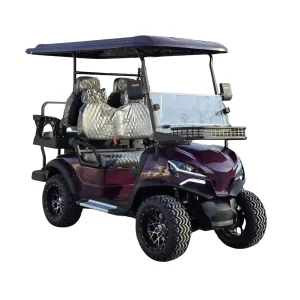
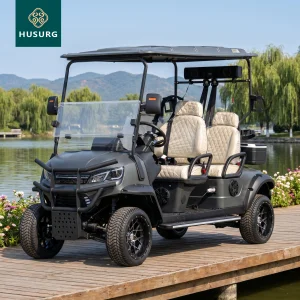
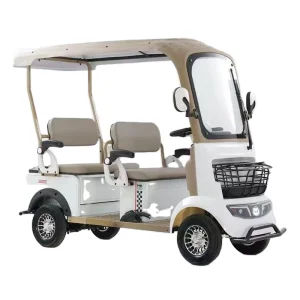
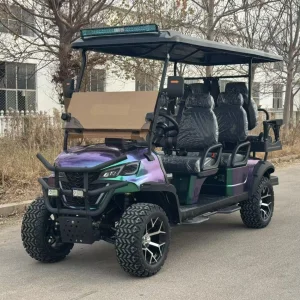
Explore our top-tier electric golf carts, utility shuttle vehicles, and street-legal transportation configurations engineered for high efficiency, safety, and operational longevity.

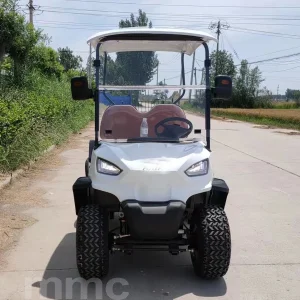
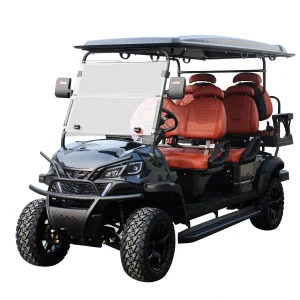
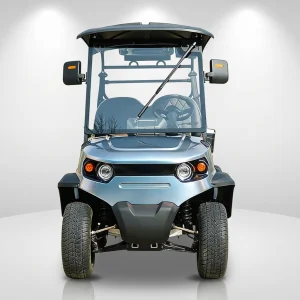
Understanding the tectonic shift from combustion utility vehicles to modular electric neighborhood transportation networks.
The commercial landscape for institutional campus scooters and low-speed electric vehicles (LSVs) is undergoing a major paradigm shift. Large-scale campuses—including universities, medical centers, sprawling luxury resorts, and busy airports—are rapidly transitioning from carbon-intensive internal combustion engine (ICE) vehicles to fully electrified fleets. This movement is driven by strict corporate ESG mandates, municipal environmental regulations, and the long-term cost benefits of electric drivetrains over legacy mechanical systems.
Today, "Campus Scooters" and neighborhood utility vehicles represent more than just simple golf carts. They have evolved into highly specialized, software-defined logistics and passenger transit assets. High-density urban universities deploy them for campus security, facility maintenance, and student transit. Concurrently, luxury hospitality complexes utilize customized multi-seater vehicles to provide silent, premium guest transport. This global adoption has accelerated the demand for high-quality manufacturers capable of delivering customized, safe, and reliable fleets.
Analyzing the resilience and manufacturing efficiency of premium Chinese electric utility vehicle factories.
China's dominance in the electric micro-mobility sector is anchored by its mature supply chain ecosystems. The convergence of lithium battery extraction, high-efficiency brushless permanent magnet motors (PMSM), and precision chassis engineering in manufacturing hubs allows Chinese factories to scale production rapidly while maintaining stringent quality control.
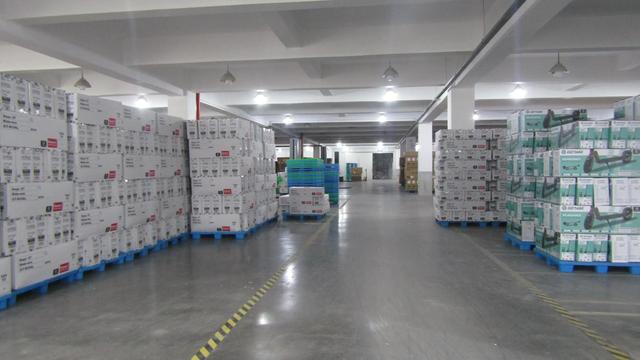
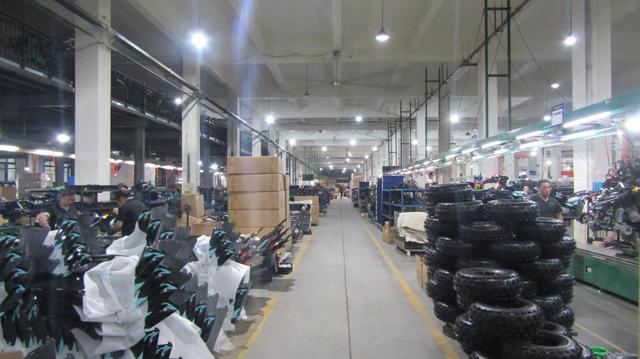
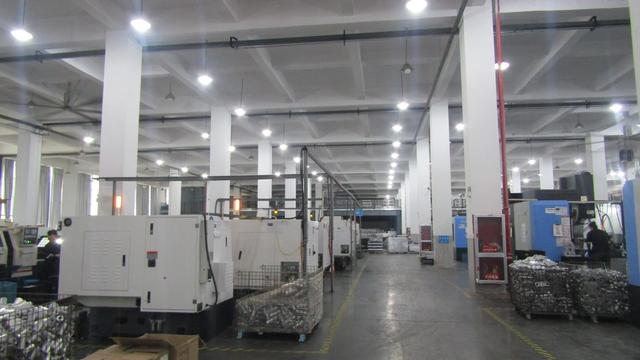
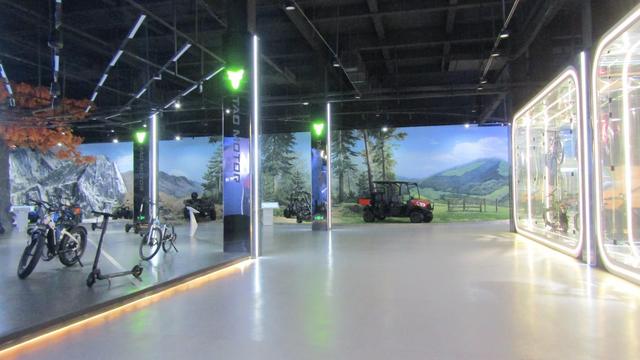
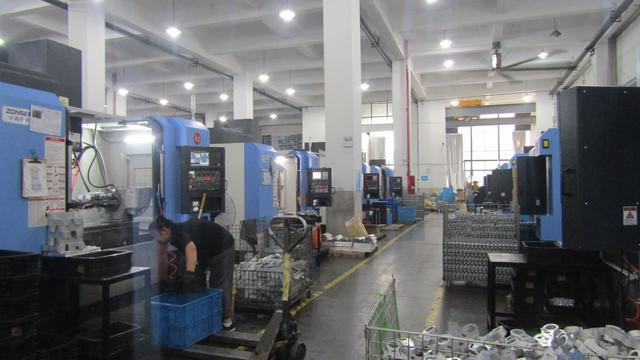
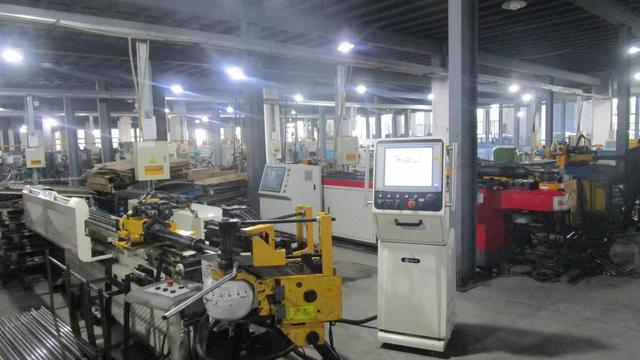
A prime example of this industrial capability is Hangzhou Sarr Golf Co., Ltd. Established in 2012, the company has grown into a leading manufacturer specializing in electric golf carts, utility vehicles, and commercial transport solutions. Operating a modern facility spanning 18,000 square meters in Hangzhou, China, the plant employs over 180 skilled professionals, including dedicated vehicle engineering and quality control departments.
Sarr Golf's operations are designed around specialized assembly lines and rigorous testing protocols, including dynamometer evaluations, hill-climbing tests, and simulated weather exposure. Because the company controls the design and manufacturing of key structural parts, they can offer highly flexible OEM and ODM services, catering to custom seating capacities, paint jobs, battery configurations, and target compliance regulations.
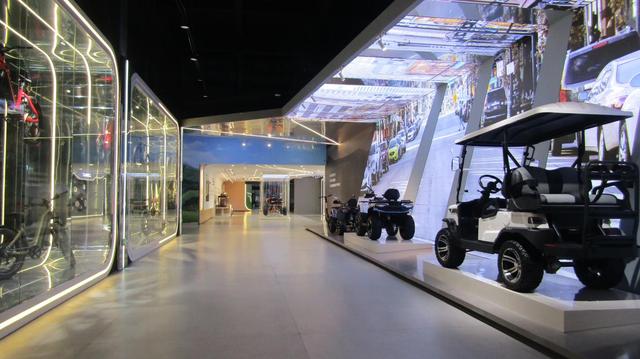
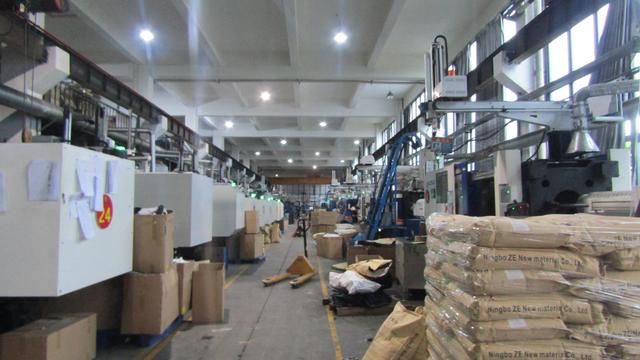
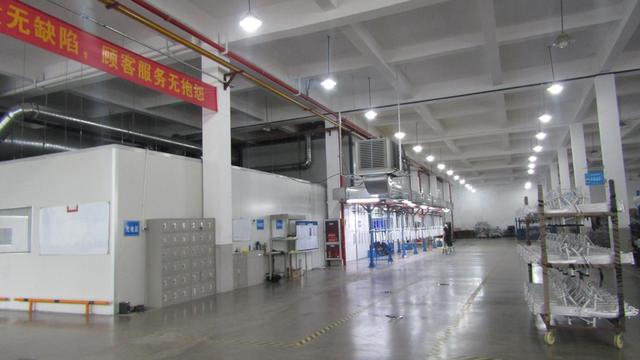
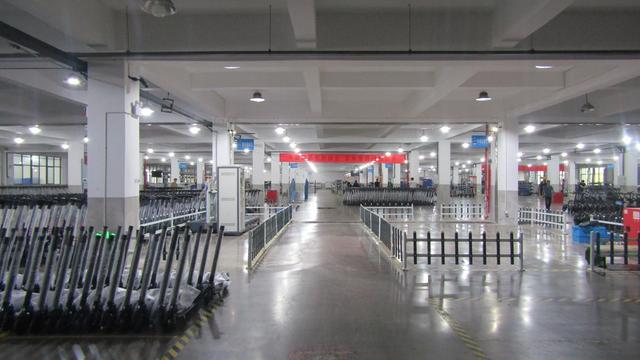
The future of neighborhood electric vehicles (NEVs) centers on battery efficiency, drivetrain intelligence, and autonomous fleet management.
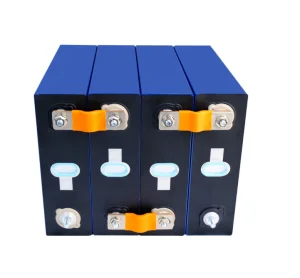
Transitioning from traditional lead-acid batteries to Grade A Lithium Iron Phosphate (LiFePO4) battery systems. LFP offers over 3,000 charge cycles, active temperature management, and improved safety.
Embedded IoT controllers with real-time GPS tracking, remote diagnostics, geofencing capabilities, and cloud-monitored state-of-charge tracking optimize large-scale fleet deployments.
Upgrading to brushless AC and PMSM (Permanent Magnet Synchronous Motors) combined with 4WD capability, optimizing power draw while boosting climbing ability for uneven terrain.
| Feature Spec | Lead-Acid Systems (Traditional) | Lithium LFP Systems (Modern Standard) | Solar-Hybrid Systems (Future Tech) |
|---|---|---|---|
| Lifecycle Durability | 300 - 500 cycles | 3,000 - 4,000 cycles | Combined battery life + constant trickling |
| Charging Efficiency | 8 - 10 hours (Slow) | 2 - 4 hours (Fast Charge Capable) | Real-time daytime solar charging |
| Weight Distribution | Heavy (negatively impacts range) | Light (improves range by up to 30%) | Light with thin-film solar roof layouts |
| BMS Protection | Basic fuse protection | Integrated CPU with overvoltage control | Smart multi-input energy balance BMS |
How modern campus electric vehicles are configured to meet target applications across diverse commercial operations.
Selecting the right electric utility vehicle requires matching the hardware configuration to the physical layout and operational requirements of the deployment site:
Navigating street-legal certifications, battery transit rules, and global import standards.
Deploying low-speed electric vehicles (LSVs) on public roads or structured campuses requires compliance with strict safety standards. In the European Union, vehicles must meet EEC L6e/L7e type approvals, specifying speed limits, braking distances, and safety equipment like seat belts and mirrors. In the United States, vehicles must comply with DOT FMVSS Part 571.500 for Low-Speed Vehicles, requiring windshields, turn signals, and VIN plates.
In addition to vehicle safety, lithium batteries must meet strict transit standards. All battery assemblies must have UN38.3 certification, proving their stability during sea or air transport. Sourcing from certified manufacturers like Hangzhou Sarr Golf ensures that your fleet complies with regional regulations, streamlining customs clearance and insurance approvals.
Detailed answers to help procurement officers and distributors select the right electric vehicles.
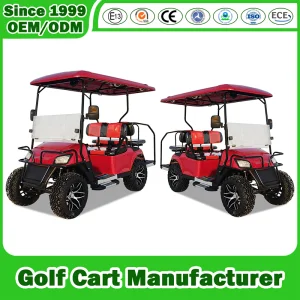
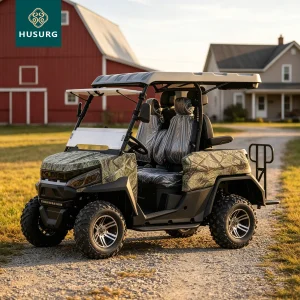
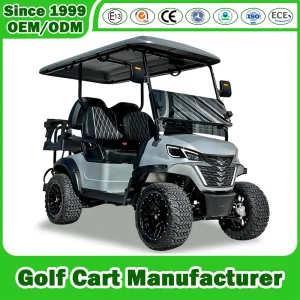
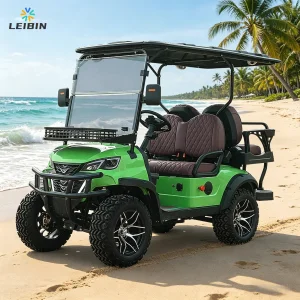
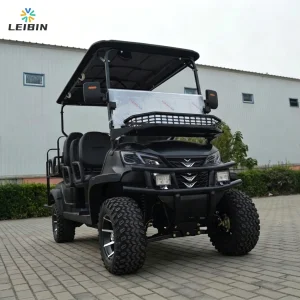
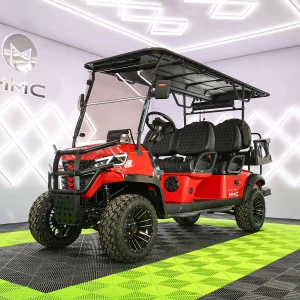
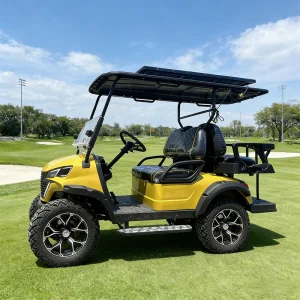
Explore our specialty selection, featuring high-clearance off-road vehicles, customizable commercial options, and solar-assisted models.
 Sarr Golf