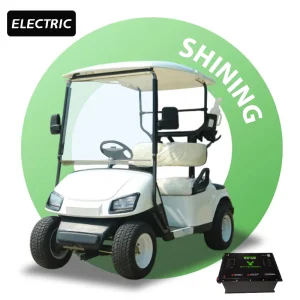
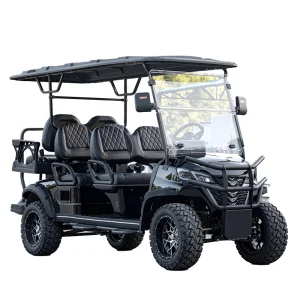
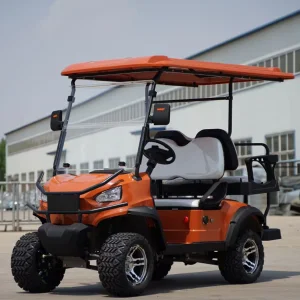
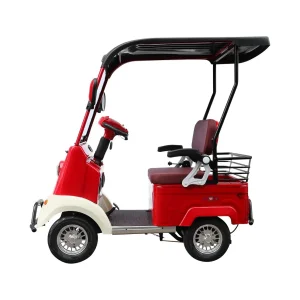
Discover premium-grade electric mobility platforms designed for resort operations, cargo transport, custom security configurations, and smart-city integration.
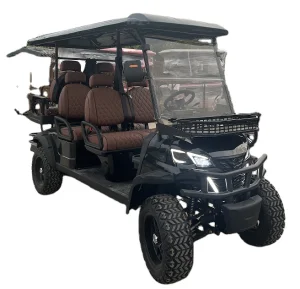
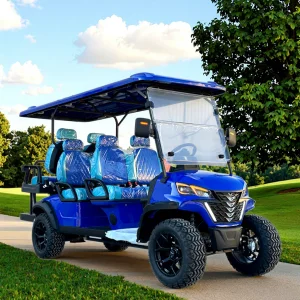
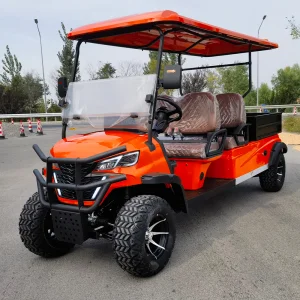
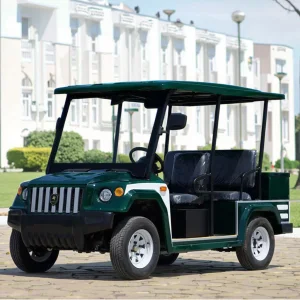
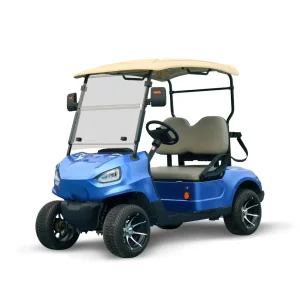

The global commercial landscape is undergoing a monumental shift toward smart electrification, zero-emission mandates, and intelligent automation. Autonomous Mobility Vehicles (AMVs), low-speed electric vehicles (LSEVs), and drive-by-wire chassis have transformed from localized utility systems into foundational infrastructure for smart campuses, luxury resorts, commercial hubs, and industrial logistics terminals. The modern enterprise is no longer searching for simple transportation; the focus has shifted toward highly connected, safe, and custom-engineered mobility platforms.
SEO Insight & Information Gain: True utility of low-speed mobility systems goes beyond battery capacity. High-performance drive-by-wire capability (electronic control of steering, throttle, and braking) is the key link between traditional electric platforms and true Level 4 autonomous deployment.
As standard-grade micro-vehicles face stricter safety audits, leading manufacturers are incorporating advanced automotive technologies into specialized form factors. This transition involves using high-performance motor systems (such as brushless AC or 5KW+ permanent magnet motors), integrating CAN bus communication networks, and switching to smart lithium-ion batteries. These updates ensure that whether a vehicle is used for automated deliveries, security patrol, or resort transit, it operates with peak efficiency, structural durability, and complete safety compliance.
Positioned at the forefront of this industrial transformation, Hangzhou Sarr Golf Co., Ltd. stands as a premier manufacturer specializing in high-utility electric vehicles, customized mobility options, and automated drive-by-wire solutions. Established in 2012, the company has spent over a decade refining its production lines and developing engineering solutions that serve international industrial markets.
Operating a state-of-the-art facility covering 18,000 square meters in Hangzhou, China, the company maintains a dedicated workforce of over 180 employees. This skilled team includes structural automotive engineers, digital battery system technicians, and strict quality assurance specialists. Hangzhou Sarr Golf Co., Ltd. integrates advanced vehicle engineering, sophisticated battery management systems (BMS), and lean assembly methodologies. This ensures that every vehicle, from commercial golf buggies and custom security vehicles to specialized autonomous wire-controlled chassis, meets international standards of durability, energy efficiency, and operational safety.
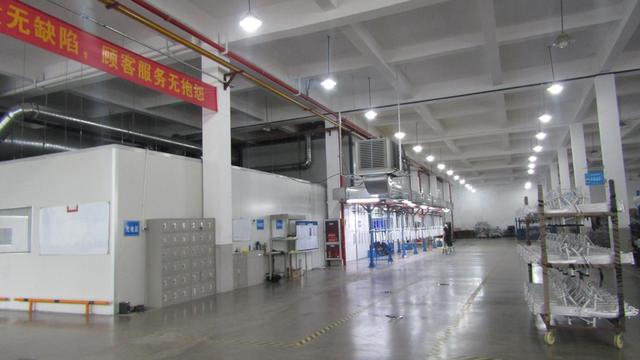
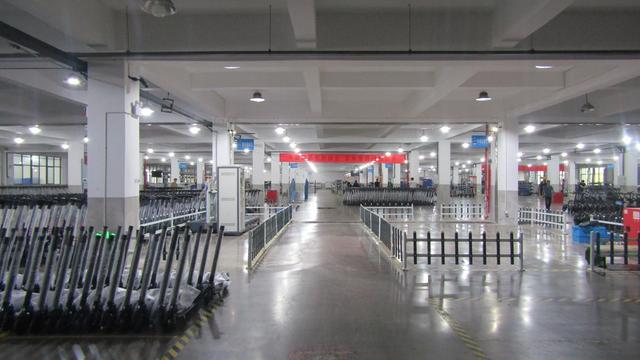
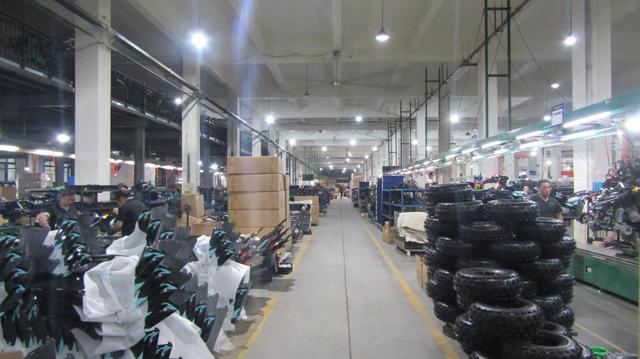
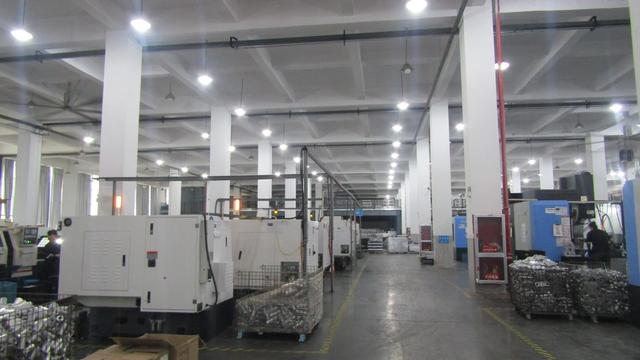
The following original factory images highlight our production capacity, advanced paint preparation, precision frame assembly, structural diagnostics, and final validation stages:
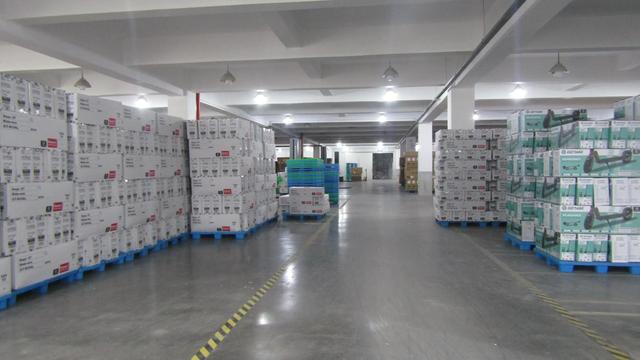
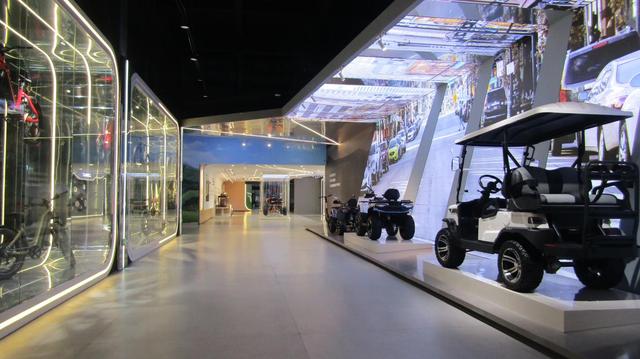
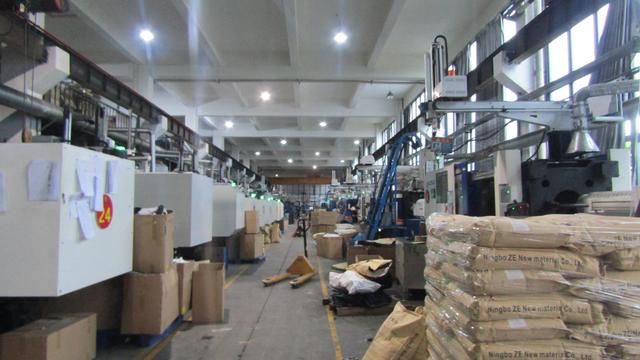
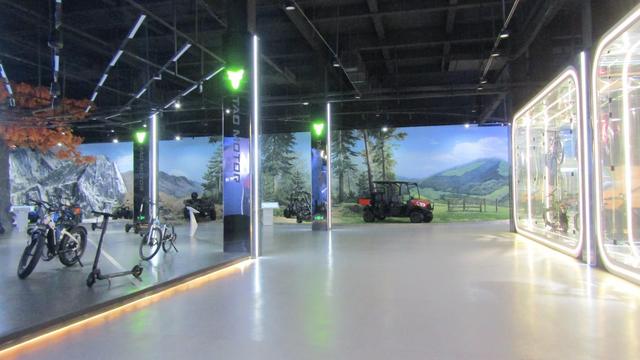
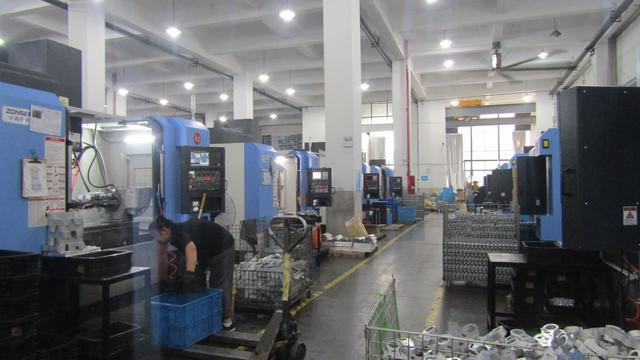
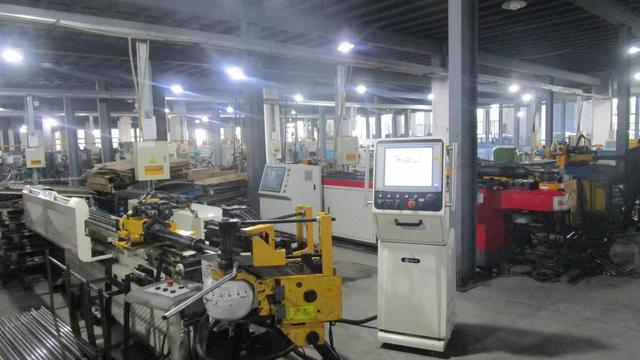
Through robust OEM and ODM programs, Hangzhou Sarr Golf Co., Ltd. provides global buyers with the flexibility to customize seating capacities, adapt motors to specific terrain demands, configure battery chemistry, and integrate specialized cargo accessories. The factory supports the entire development lifecycle, helping international clients design, test, and manufacture vehicles tailored to their unique operational needs.
As organizations upgrade their internal logistics and passenger transit operations, B2B procurement strategies are focusing heavily on reliability, total cost of ownership (TCO), and system integration. Buying low-speed electric vehicles now requires a careful evaluation of how well the vehicle platform integrates with modern asset-tracking and safety systems.
Continuous telemetry output via CAN bus integration allows fleet operators to track location, speed, charge levels, and maintenance status remotely.
Upgrading from lead-acid to smart lithium batteries provides rapid charging, longer service life, and built-in Bluetooth system diagnostics.
Vehicles must meet strict regulatory standards, including CE, GCC, and local DOT street-legal requirements for public road use.
Modular vehicle frames allow companies to swap passenger seating with utility cargo boxes, specialized storage, or security mounts.
By prioritizing these core parameters, global fleet managers can minimize operational disruptions, protect against early equipment obsolescence, and deploy highly reliable transit fleets. This approach ensures maximum service life and uptime across commercial sites, public facilities, and private developments.
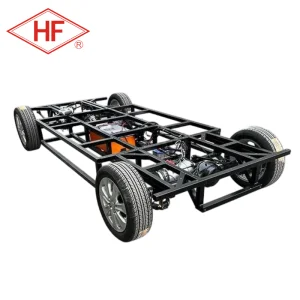
The core technology driving next-generation autonomous mobility is the drive-by-wire (DbW) chassis. Traditional mechanical linkages for steering, acceleration, and braking are replaced by electronically controlled actuators. These actuators translate digital commands from autonomous software stacks (such as ROS or proprietary navigation packages) into physical vehicle movements.
By building vehicles around a reliable drive-by-wire foundation, factories can supply autonomous-ready chassis to system integrators. These partners can then install their own self-driving software, sensor arrays, and communication hardware for targeted industrial or commercial applications.
Electric mobility platforms are versatile assets that help industries reduce operational carbon footprints while improving facility transport logistics. Here is how specialized fleets are deployed across various commercial sectors:
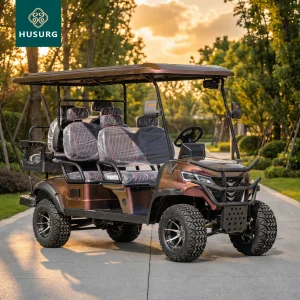
High-end resorts and hotels require quiet, smooth, and visually appealing passenger transport. Vintage-style electric carts and luxury multi-passenger shuttles allow properties to transport guests in comfort. These vehicles match the upscale aesthetic of the resort while operating silently to preserve a peaceful guest experience.
Large corporate campuses, university grounds, and residential estates require constant security monitoring. Outfitting utility vehicles with 5KW high-efficiency electric motors, warning lights, weather protection enclosures, and integrated storage creates highly capable patrol platforms. These vehicles can operate continuously across varying terrains and in all weather conditions.
Logistics facilities, manufacturing plants, and airport cargo hubs require heavy-duty transport solutions that can move goods efficiently. Off-road electric cargo vehicles equipped with large rear beds, high payload capacities, and heavy-duty steel frames are ideal replacements for noisy, high-emission diesel equipment, helping sites meet indoor environmental standards and sustainability goals.
Engineered for long range, off-road capabilities, and custom commercial configurations.
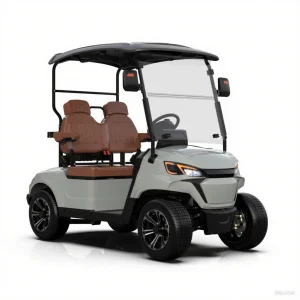
Deploying electric and low-speed autonomous vehicles on public or private roadways requires compliance with national and international transportation standards. Leading manufacturers build and test their vehicles to meet these key regulatory frameworks:
By selecting a manufacturer with verified certifications, buyers can reduce regulatory delays, streamline customs clearance, and ensure the safety of their operators, guests, and cargo.
Professional insights on choosing, configuring, and deploying commercial electric fleets and autonomous vehicle chassis.
 Sarr Golf