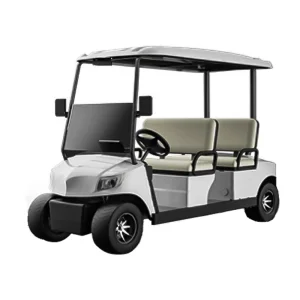
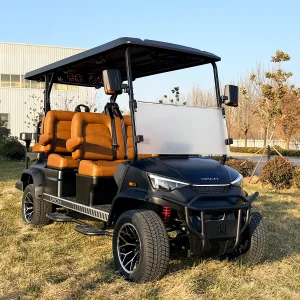
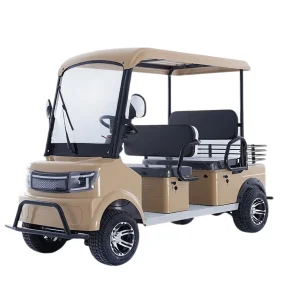
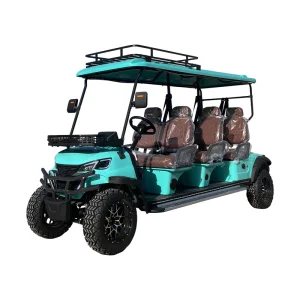
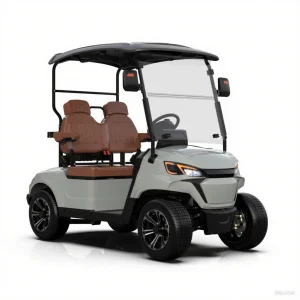
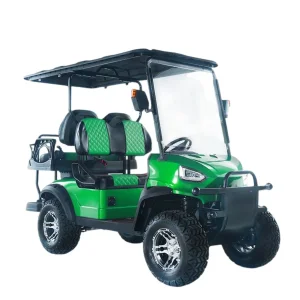
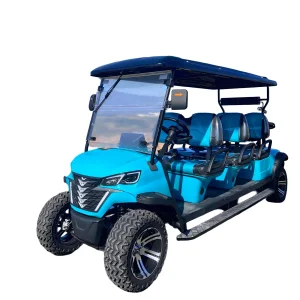
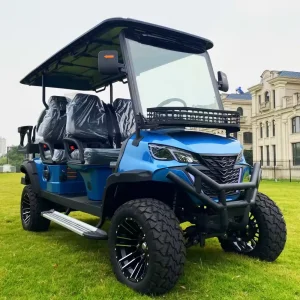
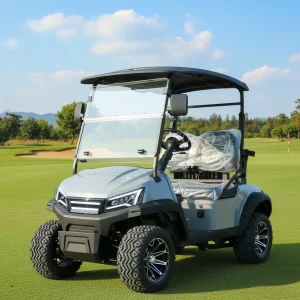
High-performance electric passenger transit and purpose-built specialty industrial vehicles designed to reduce carbon footprints and maximize energy yields.
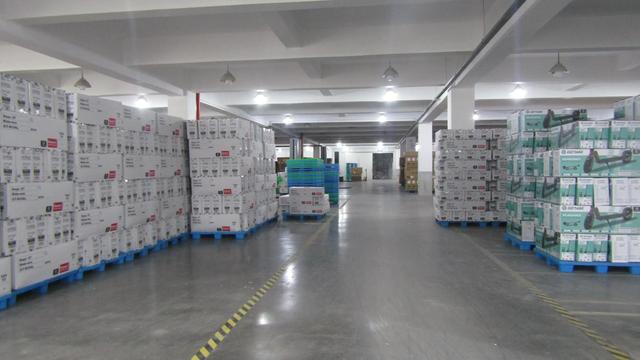
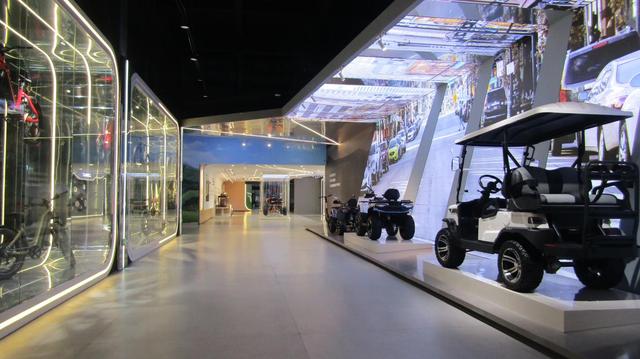
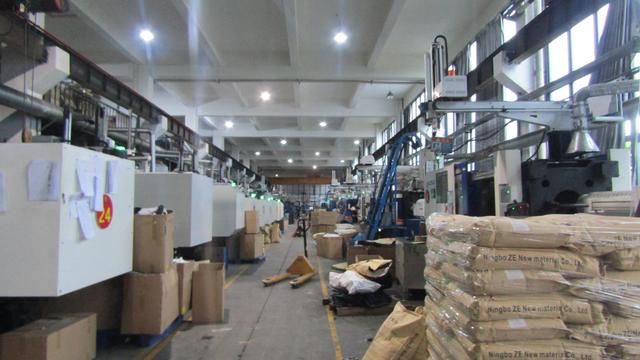
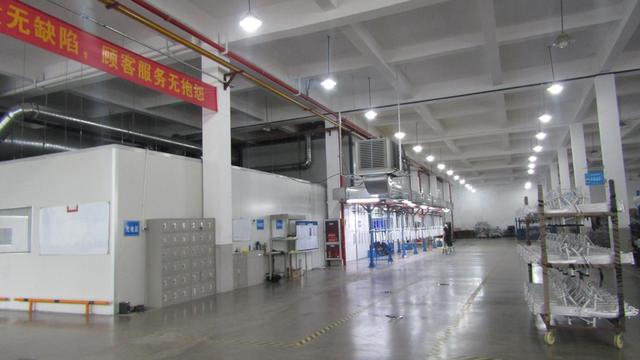
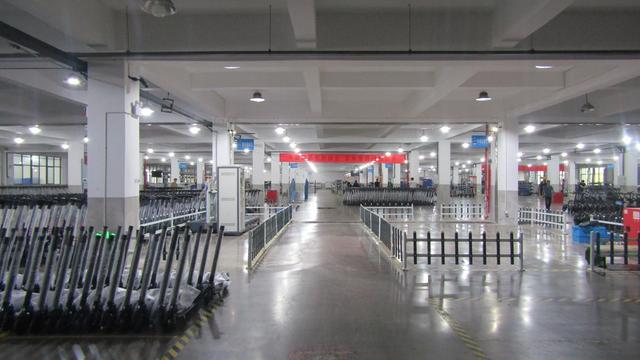
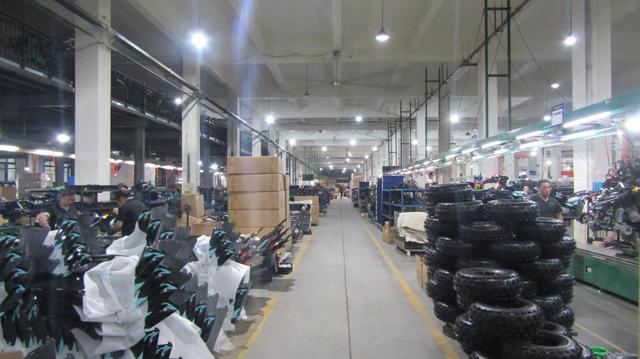
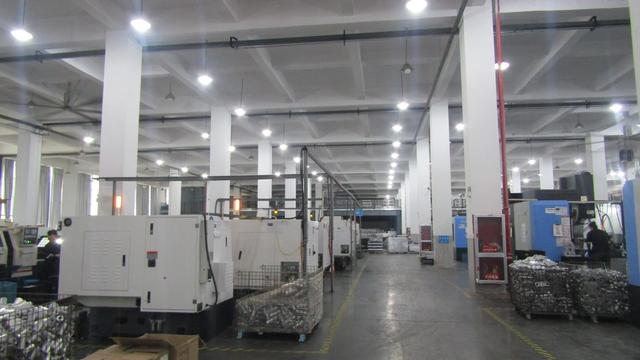
Established in 2012, Hangzhou Sarr Golf Co., Ltd. is a leading manufacturer specializing in electric golf carts, utility vehicles, and zero-emission commercial transport systems. Based in the technological manufacturing hub of Hangzhou, China, Sarr Golf operates a state-of-the-art 18,000 square meter production facility. Over the past decade, we have consolidated our industrial footprint by maintaining a dedicated workforce of more than 180 experienced specialists, including senior vehicle chassis engineers, battery management system (BMS) software developers, and international automotive compliance experts.
Our core manufacturing philosophy centers on integrating advanced photovoltaic (PV) generation layers into the roofs of commercial fleet vehicles. By combining high-conversion-rate solar cells with specialized Maximum Power Point Tracking (MPPT) solar charge controllers, we produce Solar Assisted Vehicles (SAVs) that leverage off-grid energy generation to extend daily operating ranges, reduce grid charging dependence, and minimize operational costs. Sarr Golf offers extensive OEM and ODM solutions, supporting the customization of body shell composites, chassis lengths, lithium-ion battery system architectures, and onboard micro-grid telematics to serve commercial, industrial, municipal, and recreation fleets around the globe.
The global transport landscape is undergoing a structured shift driven by decarbonization, volatile grid electricity pricing, and the rapid maturation of decentralized solar technologies. In the micro-mobility sector, traditional battery electric vehicles (BEVs) are restricted by their dependence on local electrical grids. While BEVs offer a substantial emissions reduction compared to internal combustion alternatives, their net environment impact is heavily tied to the carbon footprint of the local grid.
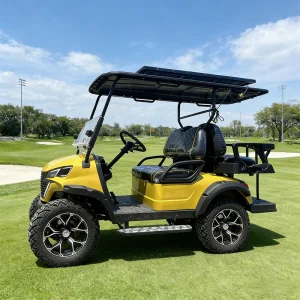
Sarr Golf’s integration of solar tech targets the specific demands of short-haul fleet management. By utilizing high-density monocrystalline solar panels with conversion efficiencies exceeding 22.5%, we ensure continuous trickle charging even in overcast conditions. This technology limits depth-of-discharge (DoD) cycles of the onboard lithium packs, significantly extending overall battery lifespans and lowering operational expenditures for park, municipal, and commercial fleet owners.
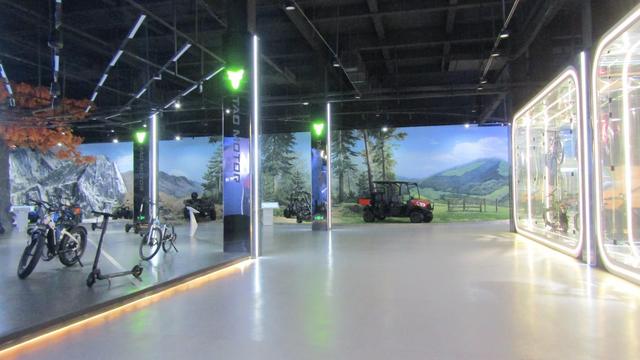
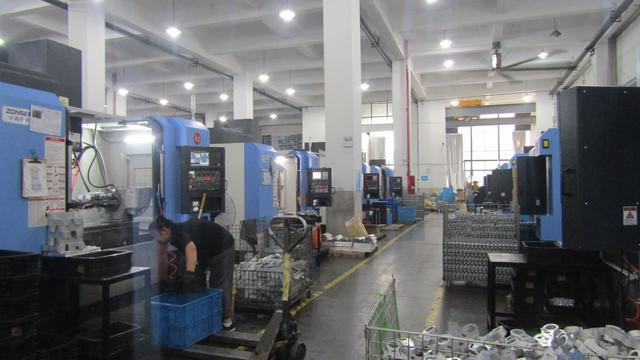
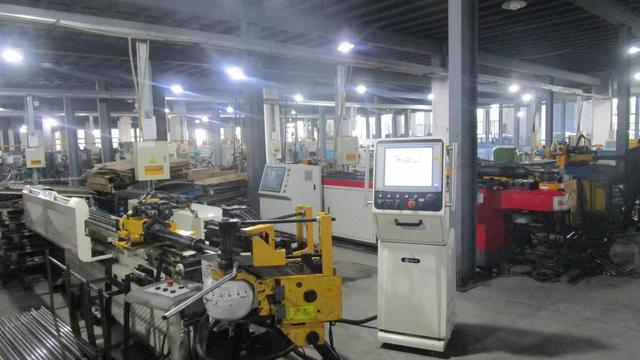
The operating models of commercial spaces require high vehicle availability and low downtime. Sarr Golf engineers customized vehicles specifically optimized for various industrial niches:
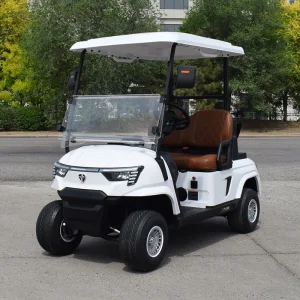
Multi-seater passenger shuttles (such as our 6-seater and 8-seater models) operate continuously across massive properties. The integrated solar roof ensures the vehicle replenishes energy during daylight idle periods, eliminating daytime charging interruptions and ensuring guests receive seamless transport services.
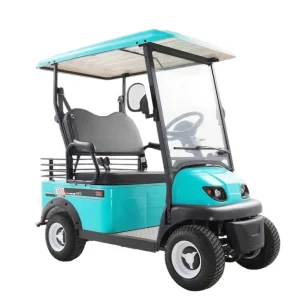
Patrol units, such as security and airport logistics trucks, require low-speed, high-torque configurations. The inclusion of high-efficiency AC motors paired with lightweight PV roof arrays supports long patrol shifts. Equipped with energy recovery braking systems, these vehicles harvest kinetic energy, maximizing shift ranges.
Street-legal passenger micro-mobility vehicles offer key zero-emission transportation options for residential zones. Certified to meet safety and speed standards, these units replace standard full-size cars for short community trips, aligning with smart city zero-emission mandates.
By integrating LiDAR, sonar sensor arrays, and drive-by-wire setups, Sarr Golf provides autonomous-ready chassis. These smart electric golf carts and sightseeing buggies operate on pre-mapped routes, creating highly efficient, labor-saving solutions for tech parks and campuses.
The performance of any solar-assisted vehicle is defined by the coordination between its photovoltaic generation, battery storage, and motor drivetrain. Sarr Golf’s R&D division has developed an integrated electrical architecture designed to maximize round-trip efficiency:
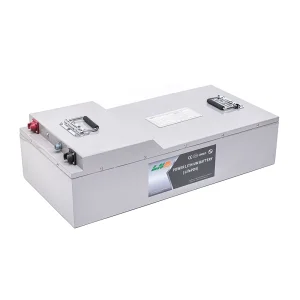
We build our power systems around 48V, 60V, and 72V LiFePO4 cells. Known for high thermal stability and an extensive lifespan of over 3,500 charging cycles at 80% Depth of Discharge, these battery packs are managed by custom BMS units. This monitoring system tracks cell voltage balance, temperatures, and state-of-charge (SoC) metrics in real time.
Our roof panels are protected by impact-resistant, lightweight ETFE encapsulations that withstand physical impacts and environmental wear. Our MPPT controller tracks solar input continuously, adjusting voltage ratios to maintain maximum current delivery to the battery bank, achieving a conversion efficiency rate of 98.2%.
To balance the weight of additional solar components, our vehicles feature structural aluminum alloy frames. These lightweight chassis are powder-coated to prevent corrosion, making them well-suited for coastal resorts, salty marine ports, and humid tropical climates.
Our vehicles utilize 4kW to 5kW brushless AC motors, delivering high torque profiles and quiet operation. Integrated regenerative braking systems convert inertia back into electric energy during deceleration, further extending range and lowering brake pad wear.
Operating globally requires strict compliance with regional vehicle regulations. Hangzhou Sarr Golf Co., Ltd. builds vehicles matching international road safety standards. Our platforms are designed to meet EEC L7e regulations for Europe and DOT/SAE standards for low-speed vehicles (LSV) in North America, facilitating smooth registration processes for public road use.
We also support our distributors with a robust spare parts distribution network. From replacement ETFE solar panels and programmed MPPT modules to custom-molded body parts and high-capacity LiFePO4 replacement packs, our logistics infrastructure ensures components reach operators quickly, minimizing vehicle downtime.
A: The solar roof operates as a continuous trickle charger, feeding energy back into the battery bank while the vehicle is driving or parked under sunlight. Depending on geographic solar exposure, our PV systems generate enough daily energy to add between 15km to 30km of travel range per day, significantly reducing the frequency of plug-in charging cycles.
A: Yes. Sarr Golf uses high-durability monocrystalline panels encapsulated in an impact-resistant ETFE laminate layer. This material is designed to withstand physical impacts from golf balls, tree branches, and severe weather conditions like hail, maintaining structural integrity and conversion performance over time.
A: LiFePO4 batteries offer higher energy density, lower overall weight, and a longer operational lifespan (3,500+ cycles at 80% DoD compared to roughly 500 cycles for lead-acid batteries). They do not require regular maintenance, accept fast charging, and do not suffer from thermal runway risks, making them a safer and more cost-effective option for commercial operators.
A: Yes, our specific configurations are designed to meet EEC L7e criteria in Europe and DOT standards in the US. When purchasing, make sure to specify certification requirements with our engineering team to ensure your customized chassis includes the required lighting, seat belts, hydraulic braking configurations, and VIN designations for public roads.
A: Our MPPT controllers feature high-speed sweep algorithms that identify optimal power points even under partial shading or overcast skies. While overall power output is lower than under direct sun, the system still harvests ambient light to deliver charge to the battery bank.
Explore our technical configurations, including off-road builds, heavy utility platforms, and customizable lithium battery packs engineered for maximum uptime.
 Sarr Golf