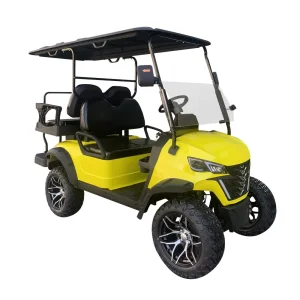
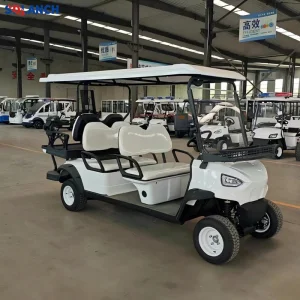
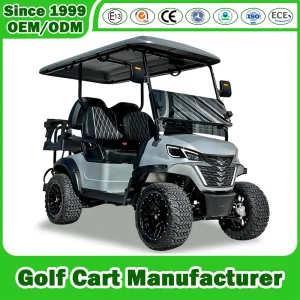
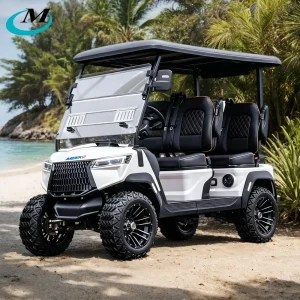
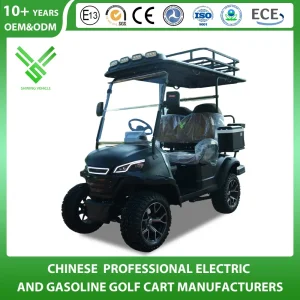
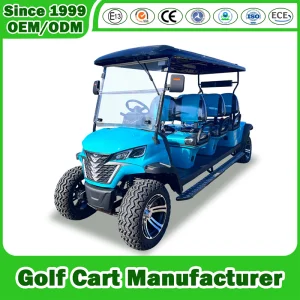
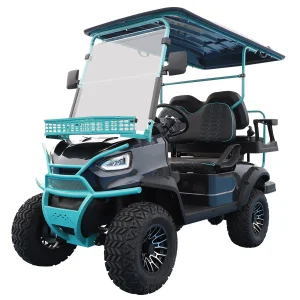
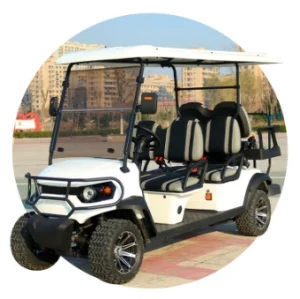
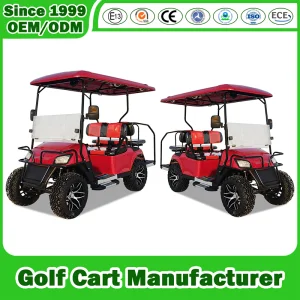
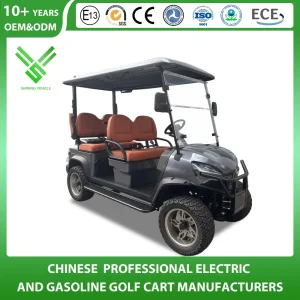
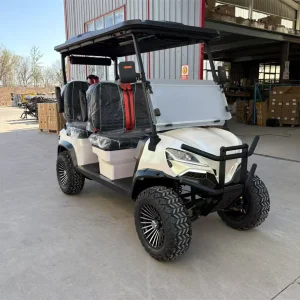
High-performance electric vehicles specifically customized for Fiji's coastal climates and resort infrastructure.
The Republic of Fiji, a pristine archipelago encompassing over 330 islands, is globally renowned for its exceptional ecotourism, master-planned maritime communities, and marine biodiversity. However, managing transport logistics within this unique geography presents severe infrastructure and ecological challenges. Traditional Internal Combustion Engine (ICE) utility vehicles generate exhaust pollution, create disruptive acoustic noise, and incur high operational overheads due to imported fuel reliance.
To preserve the delicate ecological balance of destinations like Denarau Island, the Mamanuca Islands, and the Coral Coast, Fiji’s resort developers, municipality planners, and industrial operators are pivoting aggressively to street-legal electric golf carts and low-speed utility vehicles (LSVs). By deploying customized electric fleets, commercial entities successfully reduce carbon footprints in alignment with the Fiji National Green Growth Framework, while offering peaceful, premium experiences for international travelers.
Fiji’s local commercial and industrial demand focuses heavily on the following aspects:
Globally, the low-speed vehicle market has shifted away from traditional lead-acid technology toward smart Lithium Iron Phosphate (LiFePO4) batteries. In Fiji, where tropical sunlight is abundant year-round, integrating photovoltaic solar roofs onto electric golf carts acts as a major force multiplier. Solar-assisted models yield a substantial information gain for operators looking to achieve true off-grid self-sufficiency.
Hangzhou Sarr Golf designs specialized solar-assisted golf buggies that trickle-charge the battery pack during operation. This feature extends daily battery range by up to 20-30%, decreases utility-grid dependence, and provides a redundant power supply that protects the vehicle's electrical system in remote island regions.
| Feature Category | Standard Lead-Acid Configurations | Advanced Sarr Lithium + Solar Integration | Fiji Market Benefit |
|---|---|---|---|
| Battery Service Life | 2 - 3 Years (approx. 500 cycles) | 8 - 10 Years (3000+ deep cycles) | Reduces heavy shipping costs of replacement batteries to Fiji. |
| Maintenance Overhead | High (Requires distilled water refills) | Zero Maintenance (Sealed BMS system) | Lowers labor costs for island-based engineering crews. |
| Corrosion Resistance | Standard steel frame / painted | Hot-dip galvanized / Premium aluminum | Prevents structural failure caused by saline sea air. |
| Charging Efficiency | 8 - 10 Hours charging time | 2.5 - 4 Hours fast charging + Solar top-up | Ensures continuous resort operations during peak tourist seasons. |
As electric micro-mobility scales globally, China has emerged as the premier manufacturing powerhouse for low-speed electric vehicles. The integration of advanced supply chains, robust metallurgical processes, and world-class battery manufacturing ensures that Chinese factories produce highly competitive, reliable, and technologically advanced street-legal buggies.
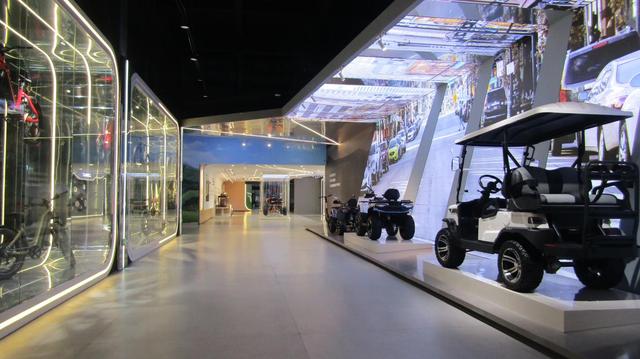
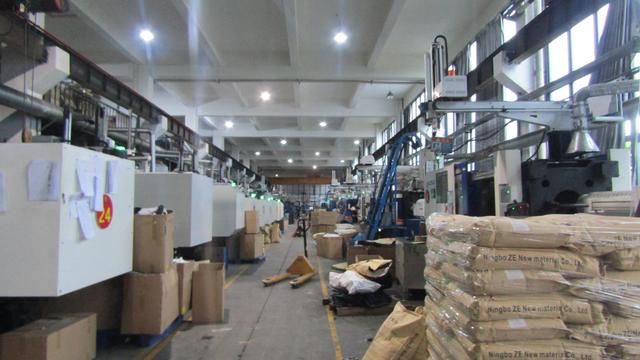
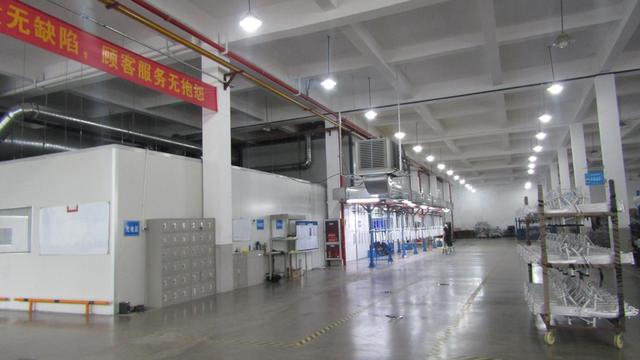
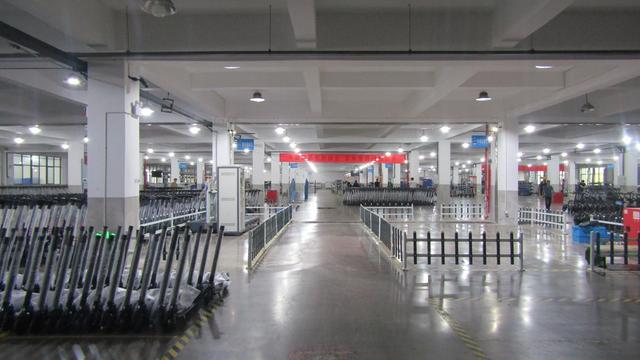
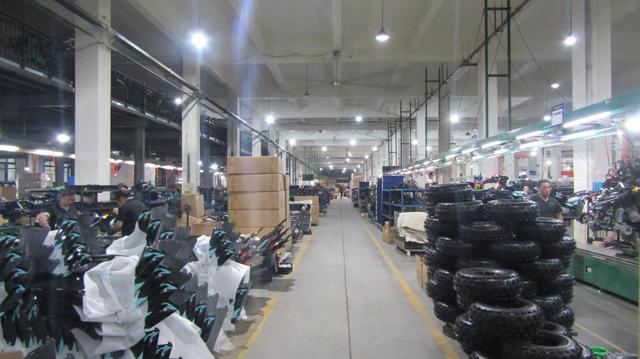
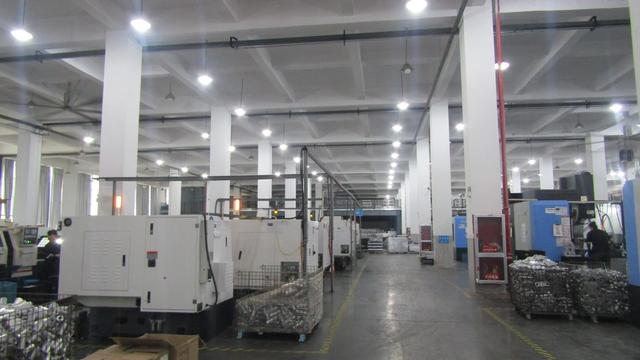
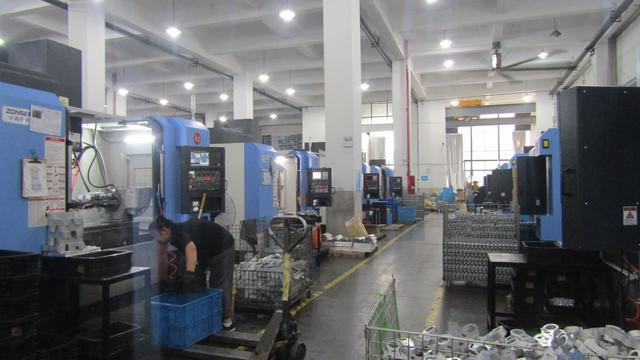
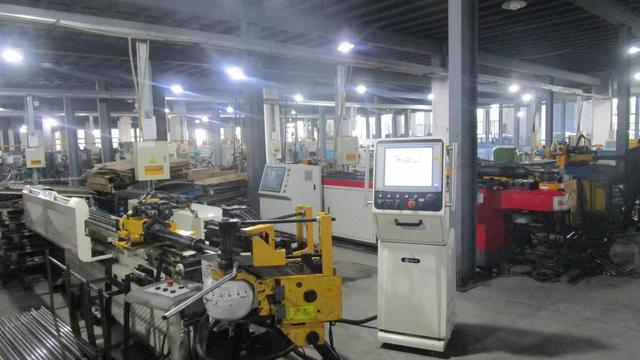
Hangzhou Sarr Golf Co., Ltd. stands at the forefront of this industrial corridor. Established in 2012, operating an 18,000 square meter factory in Hangzhou, and backed by over 180 skilled employees, Sarr Golf provides comprehensive OEM and ODM solutions to clients worldwide. Shipping directly from Chinese ports to key hubs in Fiji (such as the Ports of Suva and Lautoka), we offer streamlined export compliance, custom configuration options, and heavy-duty shipping crates designed to survive marine transport without cosmetic or mechanical degradation.
Every golf cart leaving our factory undergoes a rigorous quality control program to meet global safety standards. Our manufacturing lines integrate state-of-the-art chassis alignment rigs, computerized electrical system testing, and simulation tracks designed to test suspension and braking responsiveness under full loads.
By leveraging premium industrial components—such as programmable Curtis Controllers (USA brand), high-frequency onboard chargers, and high-efficiency AC motors—we supply Fiji importers with vehicles requiring minimal local technical intervention. Our factory-level customization lets you define paint schemes, luxury upholstery designs, seat arrangements, and chassis lift-kits to suit specific operational requirements.
Deploying low-speed electric golf buggies on public roads in Fiji requires careful adherence to the Land Transport Authority (LTA) standards. Unlike standard golf carts restricted to fairways, "street-legal" status is granted only to vehicles meeting strict road-safety rules. Sarr Golf exports vehicles configured specifically to comply with these standards, ensuring a smooth registration process for Fiji business entities.
We manage bulk shipping documentation, packing processes, and ocean transit logistics to simplify importation for our clients. Standard transport containers route directly to the Port of Suva or Port of Lautoka. We supply necessary customs documentation, Certificate of Origin, and complete electrical blueprints to fast-track import clearing and local LTA registration.
For premium destinations on Denarau, Outer Islands, or the Coral Coast, noise control and guest comfort are crucial. Our ultra-quiet AC motors operate silently, transporting guests, luggage, and room service meals without disrupting the tranquil island atmosphere.
Master-planned coastal neighborhoods require environmentally friendly transit options. Street-legal electric golf carts provide residents with clean, space-efficient transport for trips to local retail hubs, golf courses, and marina docks.
Airports and cargo hubs in Nadi utilize our rugged cargo utilities and passenger shuttles to transport baggage, technicians, and travelers safely and efficiently through indoor and outdoor zones.
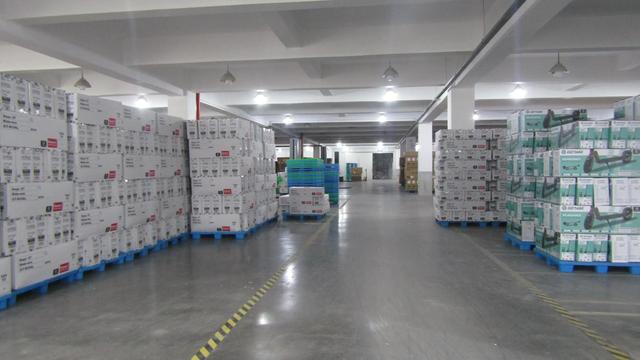
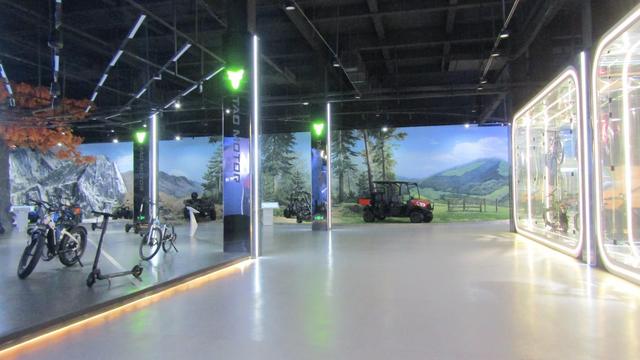
A visual look into Hangzhou Sarr Golf's 18,000 square meter manufacturing facility and international shipping prep.
Hangzhou Sarr Golf continues to develop advanced vehicle designs focused on three main engineering priorities:
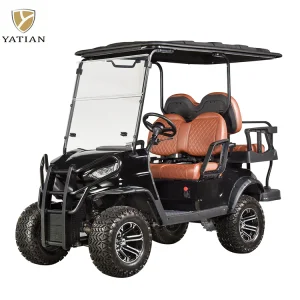
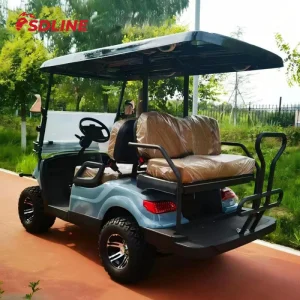
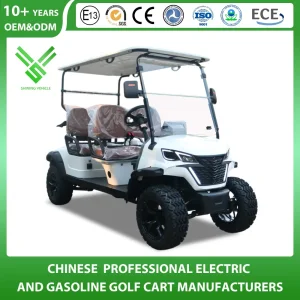
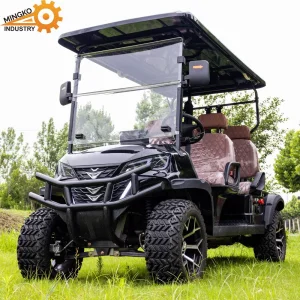
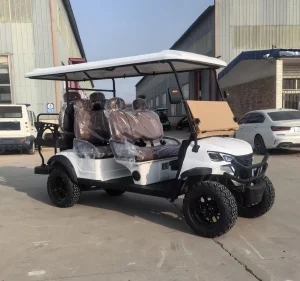
Select from custom configurations, commercial cargo options, off-road versions, and multi-passenger sightseeing vehicles.
Critical import, compliance, and product information for Fiji procurement officers and resort owners.
Reach out to our export division for detailed technical catalogs, volume pricing sheets, and custom import consulting for the Fiji market.
Send Inquiry Now Sarr Golf