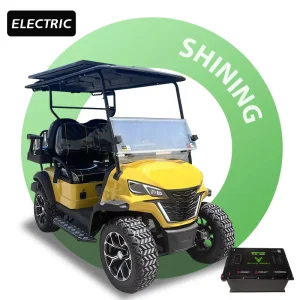
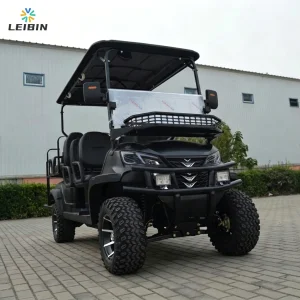
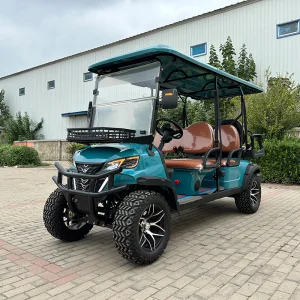
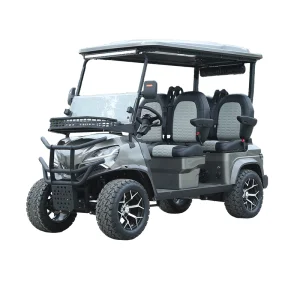
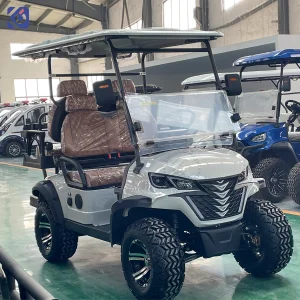
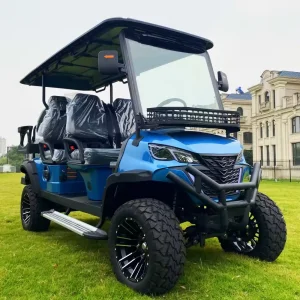
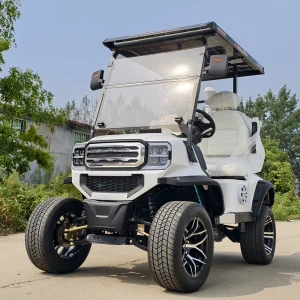
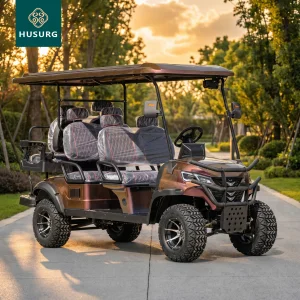
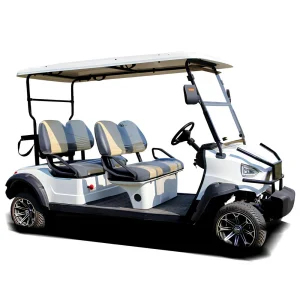
Engineered for hilly terrains of Mecsek, historic cobblestone quarters, and intensive campus logistics across Southern Transdanubia.
Analyzing local topographical challenges, solar irradiance metrics, and municipal climate-neutral commitments in Southern Transdanubia.
Located in the sunniest region of Hungary, Pécs benefits from over 2,050 to 2,200 annual sunshine hours and an average global horizontal irradiance (GHI) exceeding 1,250 kWh/m² per annum. This sub-Mediterranean microclimate makes integrated photovoltaic roof systems highly efficient, yielding continuous trickle charging throughout 9 months of the year and substantially reducing grid dependency for resort, municipal, and institutional fleets.
The urban and suburban topography of Pécs ranges from flat southern industrial parks to steep northern inclines along the Mecsek hills. Standard 48V low-torque electric golf buggies frequently suffer from overheating and battery drain on these gradients. Our solar-assisted fleet integrates high-torque 5kW to 7.5kW AC induction motors, gradeability up to 30%, and maximum power point tracking (MPPT) solar controllers to sustain optimal performance across elevation changes.
As a designated UNESCO City of Peace and a prominent cultural center home to the University of Pécs (PTE) and the Zsolnay Cultural Quarter, Pécs is actively pushing for zero-emission mobility corridors. Municipal directives favor low-noise, lightweight zero-emission vehicles (LEVs) over traditional internal combustion buggies. Integrating flexible, monocrystalline solar panels directly into vehicle roofs provides an additional 300W to 600W of peak power, allowing public and private operators to cut operational electricity costs while visibly displaying environmental stewardship.
How direct solar energy harvesting on commercial light electric vehicles (LEVs) is revolutionizing Total Cost of Ownership (TCO) worldwide.
Global logistics and leisure resorts face rising electricity tariffs and grid connectivity bottlenecks. By equipping electric buggies with high-efficiency flexible PV modules, daily operable range increases by 20 to 35 kilometers without additional wall-plug charging. In localized duty cycles, vehicles remain perpetually self-sufficient.
Legacy lead-acid batteries suffer heavy capacity degradation under partial state-of-charge (PSOC) conditions typical of solar charging. Modern OEM solar golf carts utilize Lithium Iron Phosphate (LiFePO4) chemistries with intelligent CAN-bus Battery Management Systems (BMS), accepting high-frequency solar current pulses without memory effects or thermal instability.
Continuous solar trickle charging maintains higher average state-of-charge during daylight operations, deep-discharge depth reduction, and grid consumption mitigation. Fleet managers report up to 40% reduction in utility charging expenses and a 1.5x extension in total battery pack calendar life.
Technical whitepaper breakdown of roof design, MPPT conversion algorithms, and structural integrity for Central European operating conditions.
Unlike bulky glass solar panels mounted on secondary racks, our factory integrates custom-molded, shatterproof ETFE-laminated monocrystalline solar roofs. Featuring cell efficiencies exceeding 22.8%, these panels resist UV radiation, impact from hail or low branches, and maintain an aerodynamic profile that reduces drag coefficients by 18% compared to aftermarket retrofits.
Solar radiation varies under partial shade in tree-lined resort paths or historic urban streets. Our automotive-grade MPPT (Maximum Power Point Tracking) boost controllers operate with a peak conversion efficiency of 98.6%. They dynamically step up low photovoltaic voltage outputs (18V-36V) to safely charge 48V, 60V, or 72V lithium battery banks in real-time.
To handle humidity and seasonal weather variations in Southern Transdanubia, frames utilize hot-dip galvanized steel or aircraft-grade 6061 aluminum alloy chassis. Electrophoretic coating ensures 10+ years of rust protection under damp, winter-salted pavement conditions.
Fleet operators in Pécs can monitor solar energy harvesting metrics, battery state-of-health (SOH), vehicle GPS location, and real-time power distribution through our optional IoT cloud telematics module, streamlining maintenance and operational dispatch.
Purpose-built configurations customized for tourism, education, viticulture, and municipal services across Southern Hungary.
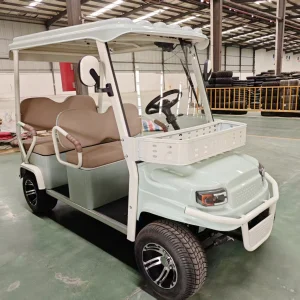
Zero-emission passenger shuttles connecting university faculties, medical centers, and dormitories. Quiet operation protects study zones while solar roof tops off energy during daylight parking.
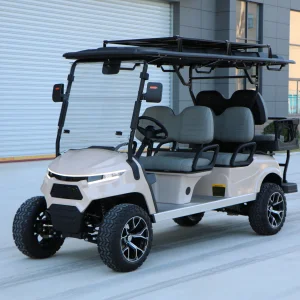
Compact 4-seater and 6-seater sightseeing buggies configured with non-marking tires, luxury seating, and quiet solar-drives ideal for pedestrian-only heritage zones and cobble paths.
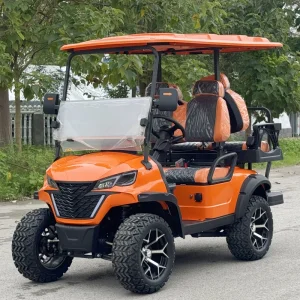
Lifted off-road solar carts with high ground clearance and terrain tires. Perfect for vineyard inspection, guest transport, and light cargo hauling along hill slopes.
Utility models equipped with heavy-duty rear cargo boxes, tow hitches, and high-voltage lithium setups for maintenance crews, factory logistics, and warehouse facility operations.
A trusted global OEM/ODM manufacturer supplying high-performance electric and solar-assisted transportation solutions worldwide.
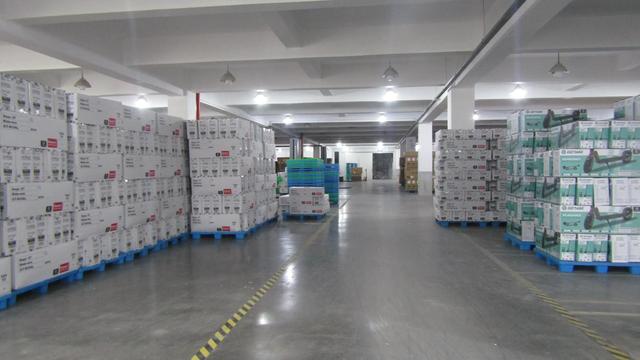
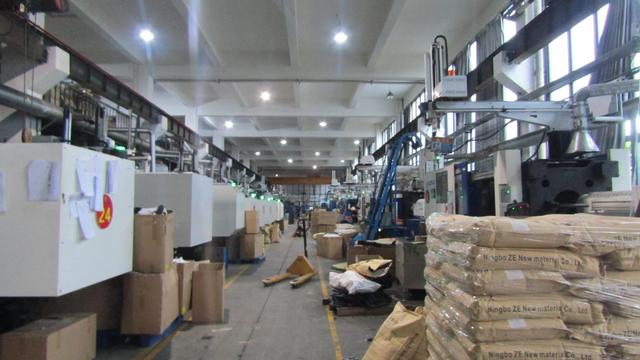
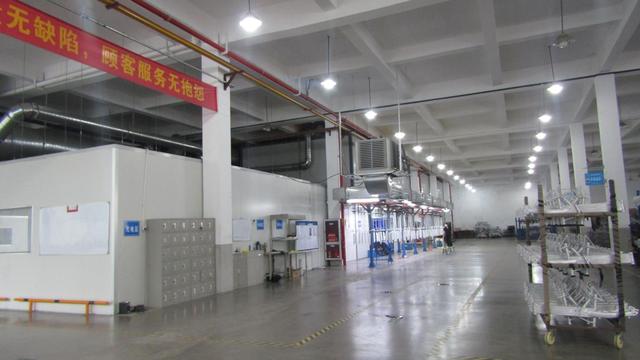
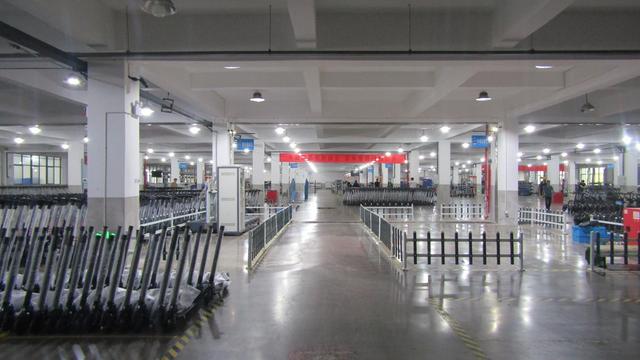
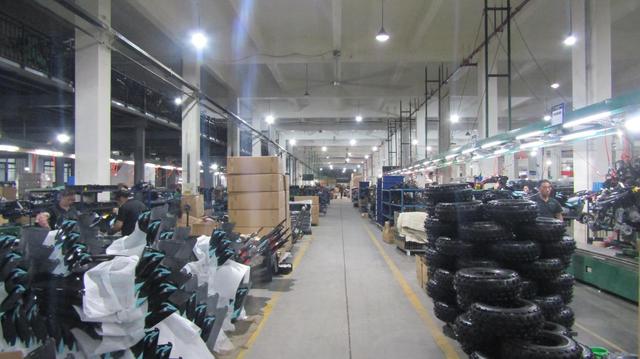
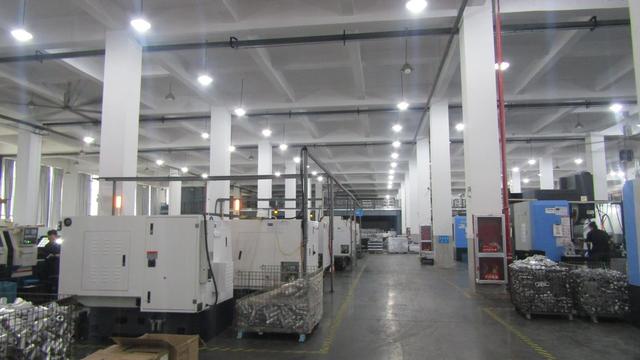
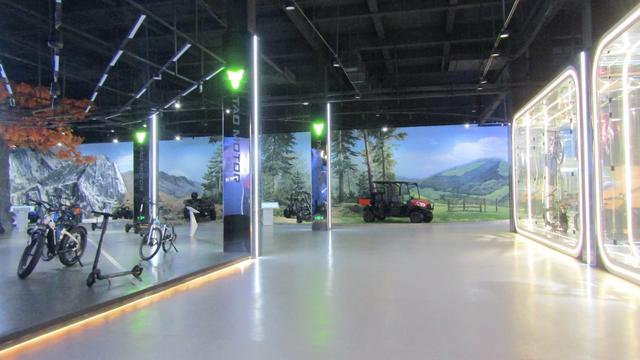
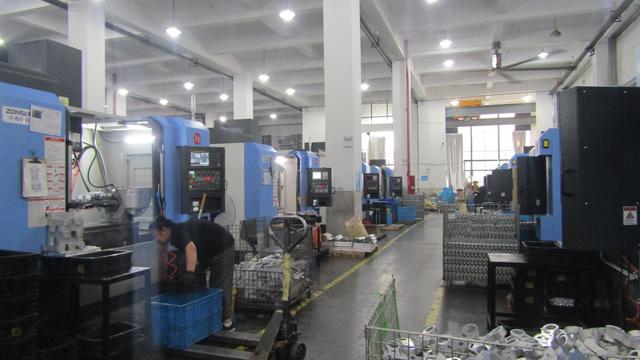
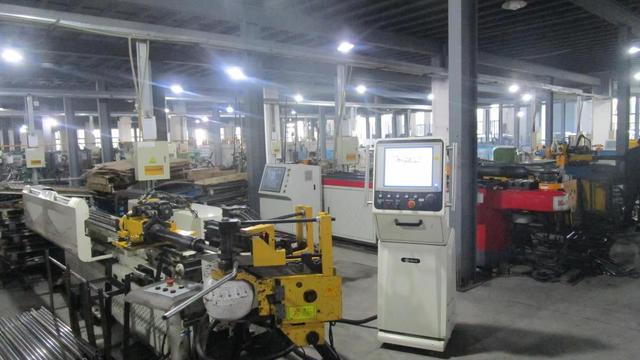
Hangzhou Sarr Golf Co., Ltd. is a professional manufacturer specializing in golf carts, utility vehicles, and commercial transport solutions for global markets. Established in 2012, the company is headquartered in Hangzhou, China, and operates a modern manufacturing facility covering 18,000 square meters with more than 180 employees, including experienced engineers, production technicians, and quality control specialists.
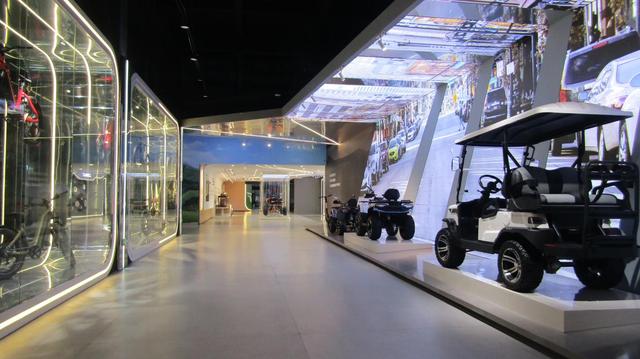
Focused on electric mobility technology, Sarr Golf designs and manufactures a wide range of transportation vehicles, including electric golf carts, utility carts, resort transportation vehicles, community mobility carts, sightseeing vehicles, campus transport solutions, and customized commercial transport vehicles. The company serves customers across golf courses, resorts, hotels, airports, industrial parks, residential communities, educational campuses, and recreational facilities.
Sarr Golf integrates advanced vehicle engineering, battery management systems, and efficient assembly processes to ensure reliable performance, energy efficiency, and long-term durability. Its manufacturing operations are supported by modern production lines, vehicle testing equipment, and strict quality management procedures. Every vehicle undergoes comprehensive inspection and performance testing before delivery.
The company offers flexible OEM and ODM services, enabling customers to customize vehicle configurations, seating capacities, battery systems, branding, colors, and application-specific features according to project requirements. With a commitment to continuous innovation, Sarr Golf invests in research and development to enhance vehicle safety, driving comfort, and operational efficiency. Today, Hangzhou Sarr Golf Co., Ltd. exports its products to customers in North America, Europe, the Middle East, Southeast Asia, Oceania, and other international markets.
Explore our full range of 2-seater, 4-seater, 6-seater, and 8-seater customized solar-powered buggies.
Quantifying energy savings, battery lifespan enhancement, and maintenance reductions over a 5-year operational lifecycle.
Under typical Southern Transdanubia irradiance, a 400W solar roof generates approximately 1.5 kWh to 2.2 kWh of clean energy per day. Over a year, this offsets up to 700 kWh per vehicle. For a fleet of 20 carts operating in campus or resort logistics, this translates to significant annual electricity savings.
By constantly replenishing energy while idling in sunlit parking areas or moving along outdoor routes, deep discharge stress on the lithium battery is avoided. Operating between 40% and 80% state of charge doubles cycle life from 3,000 cycles to over 5,000 cycles, extending replacement intervals by up to 3 years.
AC brushless motors paired with solid-state solar controllers require zero carbon-brush replacement or liquid fuel maintenance. Combined with electromagnetic automatic braking systems, brake pad wear is reduced by 60%, drastically cutting scheduled downtime.
Addressing technical queries, climate compatibility, shipping, and customization for commercial procurement.
Whether you are expanding a regional dealership, equipping a municipal eco-fleet, or procuring utility vehicles for commercial industrial parks, our engineering team is ready to deliver tailored solutions.
 Sarr Golf