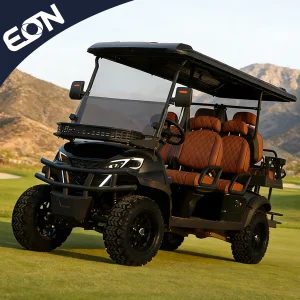
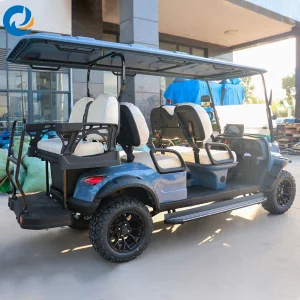
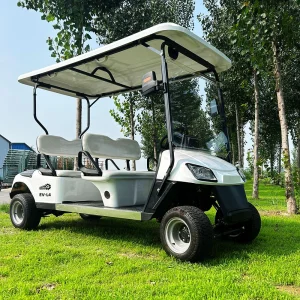
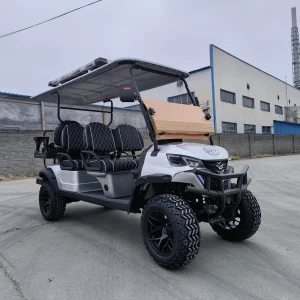
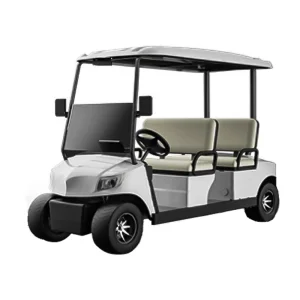
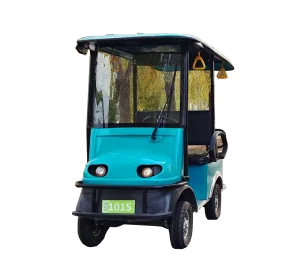
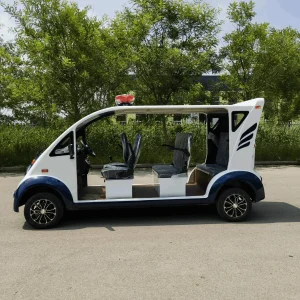
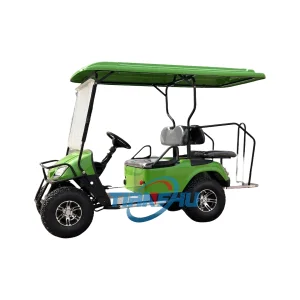
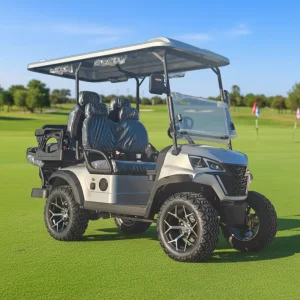
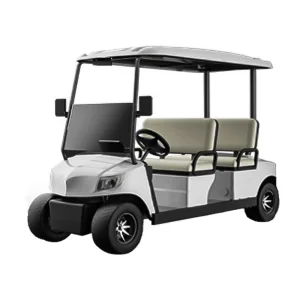
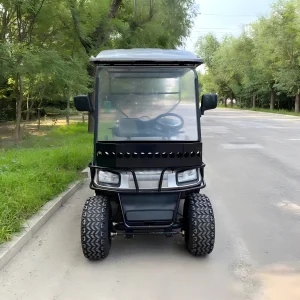
Autonomous Golf Cart Manufacturer & Supplier serving the Perth market

Next-Generation Unmanned Electric Shuttles for Western Australia's Premier Resorts, FIFO Mining Camps, Airports, and Smart Urban Ecosystems

Perth's Electric & Autonomous Transport Revolution

As the capital of Western Australia, Perth is experiencing rapid modernization. The integration of autonomous electric vehicles has moved from a speculative roadmap to an immediate commercial imperative. Tourism, mining operations, remote housing villages, and metropolitan transport hubs are seeking to lower carbon emissions, control labor overheads, and improve transit safety. This drive has created a growing demand for specialized Autonomous Golf Cart Manufacturers & Suppliers capable of delivering robust systems that comply with Australian safety and road standards.

Our solutions provide the localized support and structural engineering required to navigate Western Australia's distinct geographical challenges. Combining high-capacity lithium iron phosphate (LiFePO4) battery packs, intelligent LiDAR arrays, binocular vision modules, and solar top-up technology, our autonomous golf buggies operate reliably in complex micro-transit environments.

Meeting Perth's Hard Micro-Climate Demands

Deploying electric autonomous vehicles in Western Australia requires a deep understanding of its environmental factors. Standard utility vehicles built for mild climates often fail prematurely in Perth for several reasons:

  • Thermal Tolerances (Up to 45°C): Summer heat waves across the Swan Coastal Plain can push internal battery temperatures past operational safety thresholds. Our systems feature active thermal management, housing lithium battery cells inside protective, heat-insulated chambers with state-of-the-art Battery Management Systems (BMS) that automatically regulate voltage and thermal output.
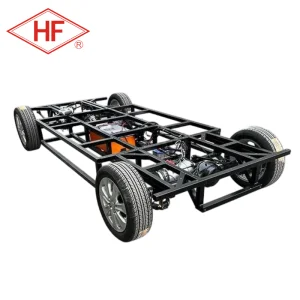
  • Marine Corrosion (Indian Ocean Air): Perth coastal developments, golf resorts, and port zones like Fremantle are exposed to salt-laden onshore winds. Our carts feature hot-dip galvanized steel chassis, marine-grade aluminum frame components, and IP67-rated sealed wiring harnesses to resist salt spray corrosion.
  • High UV Degradation: Western Australia's intense UV rays degrade standard ABS plastics quickly. We use automotive-grade ASA/Polycarbonate composite body panels treated with high-grade UV-resistant coatings to prevent cracking, fading, and structural weakening.

Advanced LiDAR & Vision

Multi-sensor fusion combining 16-channel 3D LiDAR, binocular depth cameras, and high-frequency ultrasonic sensors ensures 360-degree obstacle detection and collision avoidance in crowded settings.

Solar Integration Systems

Integrated rooftop monocrystalline solar panels capture Perth's abundant sunshine, providing real-time trickle charging that can extend daily range by up to 20-30%.

Drive-by-Wire Technology

Full CAN-bus electronic integration supports remote control steering, throttle, and braking, allowing seamless compatibility with central autonomous fleet management software.

2012
Established
18,000 m²
Modern Production Area
180+
Expert Staff & R&D
CE / EEC
Global Standards

Industrial and Commercial Use Cases in Western Australia

Autonomous golf carts are no longer confined to traditional golf courses. In Perth, they serve a wide range of specialized industries:

1. FIFO Mining Villages & Camps in the Pilbara & Goldfields

Western Australia’s mining sector operates large-scale Fly-In-Fly-Out (FIFO) residential camps that house thousands of workers. Providing reliable internal transport between living quarters, dining halls, recreation centers, and workspaces is a logistical challenge. Implementing our autonomous electric passenger shuttles offers direct benefits:

  • Fatigue Mitigation: Shifting night-shift miners can safely use scheduled or on-demand autonomous buggies, reducing pedestrian risks and fatigue-related incidents.
  • 24/7 Service: Unmanned operation ensures continuous transport availability without requiring additional transit drivers or overheads.
  • Built for Tough Conditions: Equipped with heavy-duty air conditioning, heavy-suspension kits, and off-road tires, our carts handle rough terrain and extreme heat.

2. Eco-Tourism Zones & Heritage Sites (e.g., Rottnest Island, Swan Valley)

Perth prides itself on pristine environment preservation. Eco-resorts in the Swan Valley and car-free islands like Rottnest Island require low-impact transit options. Autonomous golf buggies offer zero-emission transport that fits naturally into these environments. Programmed to follow digital boundaries and geofenced lanes, they safely navigate narrow pedestrian pathways, ensuring low-noise, zero-emission movement that preserves local ecosystems.

3. Commercial Industrial Hubs & Logistics Parks

Fremantle Port and surrounding industrial parks near Kewdale and Henderson operate extensive facilities where light cargo, tools, and spare parts need to be moved efficiently between warehouses. Our autonomous cargo golf carts, equipped with integrated cargo boxes and high-capacity lithium battery systems, function as reliable automated transport vehicles. They navigate fixed routes within factories and warehouses, increasing workflow efficiency and reducing labor-intensive transport processes.

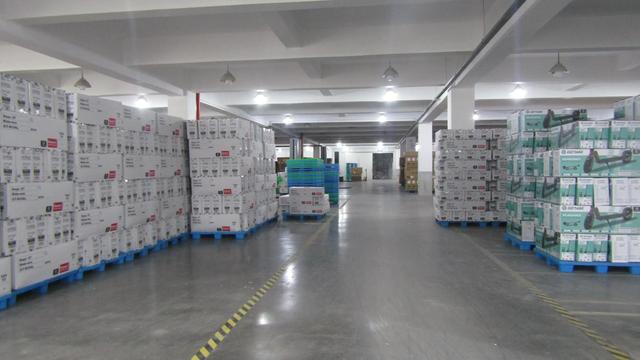
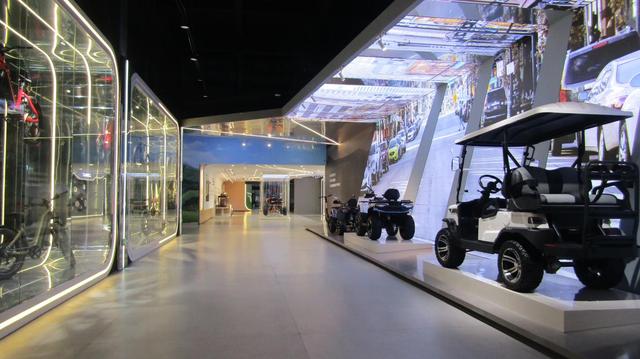
Our Modern Manufacturing Facility & Quality Inspections

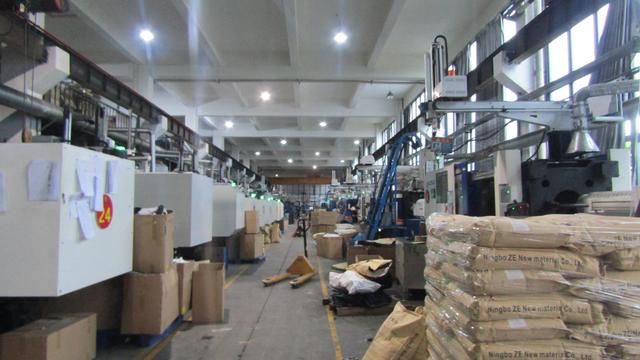
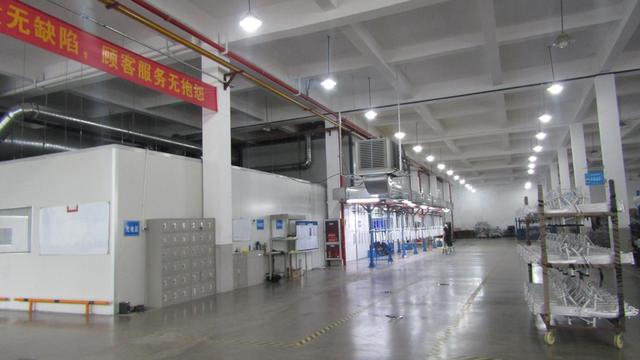
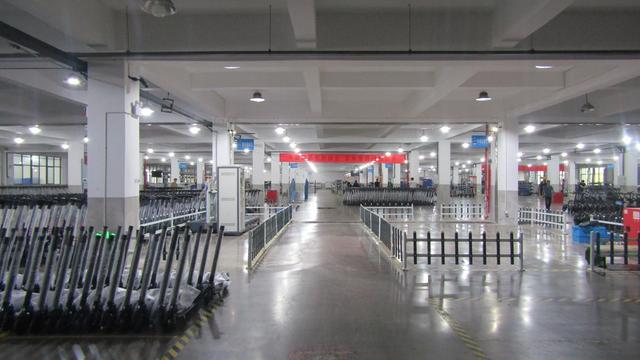
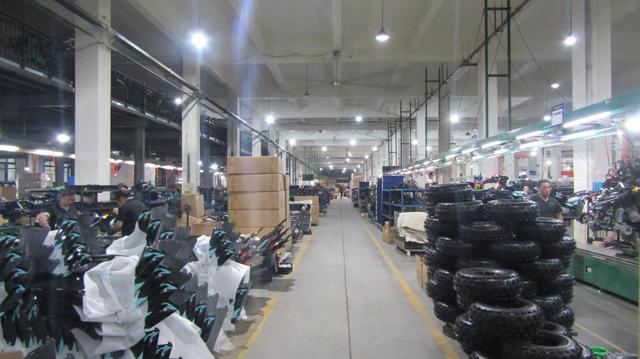
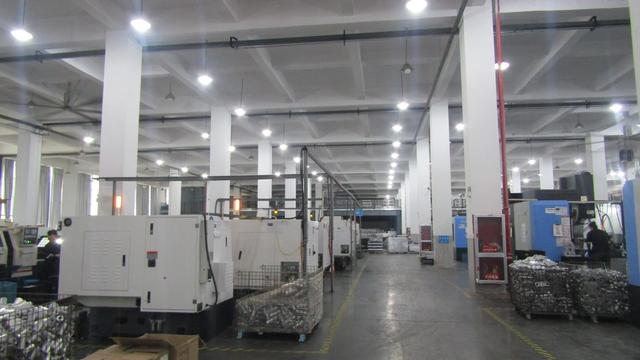
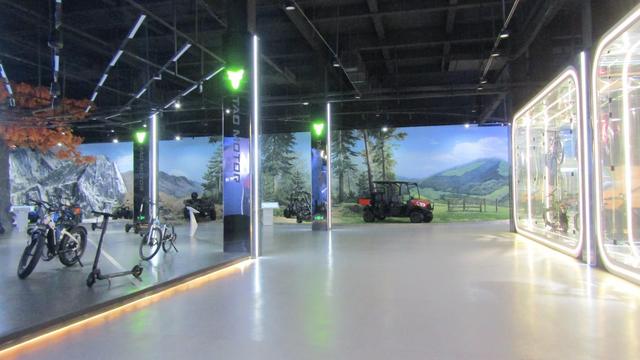
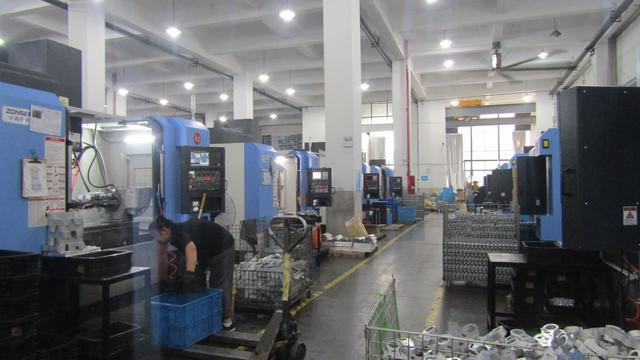
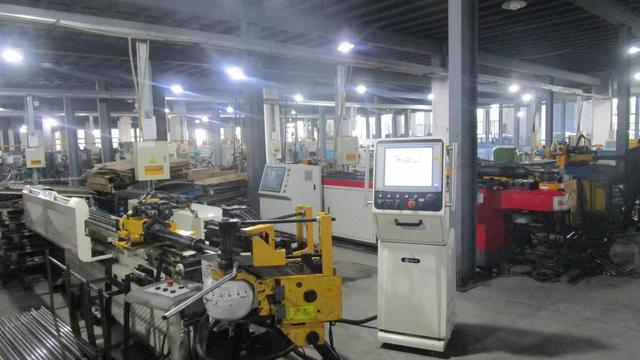
Hangzhou Sarr Golf Co., Ltd. operates a highly standardized production facility with rigorous safety testing for every cart before export.
China Supply Chain Advantages & Global Delivery to Fremantle Port

Partnering with a premier Chinese manufacturer like Hangzhou Sarr Golf Co., Ltd. provides significant structural advantages over domestic assembly alternatives. Our manufacturing base integrates with regional electronics, battery, and precision metal supply chains, ensuring lower production costs and faster delivery times.

  • Integrated R&D and Production: Our 18,000 sqm facility in Hangzhou houses both assembly lines and R&D divisions. This close proximity allows us to rapidly prototype, test, and manufacture customized autonomous vehicles based on specific customer feedback.
  • Direct Battery Supply Integration: We maintain close relationships with Tier-1 lithium-ion battery manufacturers (including CATL and EVE), securing early access to highly stable, high-capacity lithium iron phosphate (LFP) cells. These batteries offer reliable cycle life and performance, even in hot conditions.
  • Optimized Logistics to Fremantle: Through regular shipments from the Port of Ningbo-Zhoushan and the Port of Shanghai, we offer streamlined container transport to the Port of Fremantle. Standard shipping transit times range from 18 to 25 days. We provide comprehensive import documentation, customs clearance codes, and local compliance assistance to ensure a smooth delivery process.

Local Compliance & Safety Alignment in Australia

Operating driverless and autonomous passenger shuttles in Australia requires adherence to strict safety frameworks. Our design and manufacturing processes align with key standards to ensure compliant operation:

  • ADVI Alignment: We design our autonomous navigation systems to align with the guidelines set by the Australia Driverless Vehicle Initiative (ADVI), promoting safe trials and deployment on private and semi-public roads.
  • Safety Redundancies: Our drive-by-wire setups feature physical emergency stop switches, independent mechanical backup brakes, and automated sensor systems that bring the vehicle to a safe stop if any navigation component fails.
  • Local Technical Integration: We work closely with local engineering partners and integration specialists in Perth, ensuring that our autonomous vehicle systems can connect directly to existing regional security and fleet tracking networks.

Industry Trends & Future Outlook of Autonomous Small Electric Vehicles

The micro-transit and utility vehicle market is undergoing several key shifts that will shape fleets in Western Australia over the coming years:

The Shift from Lead-Acid to High-Capacity Lithium (LFP)

Lead-acid batteries are increasingly being replaced by lithium alternatives. Lithium iron phosphate (LiFePO4) chemistries are preferred for commercial operations due to their distinct advantages:

  • Extended Cycle Life: LFP batteries routinely deliver over 3,500 charging cycles at 80% Depth of Discharge (DoD), compared to just 500 cycles for standard lead-acid batteries. This significantly lowers the total cost of ownership.
  • No Maintenance Required: Lithium batteries do not require regular watering, terminal cleaning, or dedicated ventilation, reducing maintenance downtime.
  • Fast-Charging Performance: Modern lithium platforms support high-rate charging, allowing vehicles to reach full capacity in 2 to 3 hours, or quickly top-up during shift breaks.

Integration of AI and Smart Vision Systems

Modern autonomous cart navigation has moved beyond simple floor-embedded magnetic strip systems. Utilizing advanced SLAM (Simultaneous Localization and Mapping) software, RTK-GPS correction networks, and 3D LiDAR arrays, vehicles can dynamic-map new environments in real time. This flexibility allows operators to easily reprogram routes and operating zones through a digital interface, adapting to changing site layouts without the need for expensive physical infrastructure upgrades.

V2G (Vehicle-to-Grid) and Renewable Energy Integration

With Western Australia expanding its solar grid, autonomous electric golf buggies are playing a role in local energy networks. Equipped with bidirectional charging and high-efficiency solar roofs, these vehicle fleets can store excess solar power during midday peaks and feed it back to off-grid installations or camp networks during high-demand evening hours.

Frequently Asked Questions

Answers to common technical, logistics, and compliance questions about deploying autonomous golf carts in Western Australia.

1. Can these autonomous golf carts run on public roads in Perth?
Generally, fully autonomous vehicles are restricted to private roads, resort pathways, gated industrial developments, mining camps, and university campuses. To operate on public roads, you must obtain a special permit from the Western Australian Department of Transport and meet the guidelines set by the National Transport Commission (NTC). Our vehicles are equipped with drive-by-wire and remote control options to help simplify the compliance process for supervised test runs.
2. How do your golf carts handle high temperatures in Western Australia?
We integrate advanced lithium iron phosphate (LiFePO4) battery packs equipped with an intelligent Battery Management System (BMS). The BMS monitors cell temperatures, automatically balancing voltage and controlling current flow during extreme heat to prevent overheating. Additionally, we offer optional thermal insulation and active cooling vents for carts deployed in hot environments, such as the Pilbara region.
3. What is the average shipping time and process from China to the Port of Fremantle?
Typical ocean shipping times from the Port of Ningbo-Zhoushan or Port of Shanghai to the Port of Fremantle range from 18 to 25 days. We handle all export packaging, container stuffing, and shipping documentation. We can supply vehicles as Semi-Knocked-Down (SKD) kits to optimize transport volume, or fully assembled and ready to run upon delivery.
4. What sensor technologies are used for autonomous path navigation?
Our autonomous navigation suites use a multi-sensor setup: 3D LiDAR for spatial mapping, dual-lens binocular vision cameras for object recognition, ultrasonic sensors for close-range detection, and RTK-GPS modules for precise positioning. This data is processed by an onboard computer to navigate pathways and avoid obstacles safely.
5. Can the vehicle's body style and carrying capacity be customized?
Yes, we offer comprehensive OEM and ODM customization services. We can configure seating layouts for 2, 4, 6, or 8 passengers, adapt cargo beds for industrial use, install solar panel roofs, apply custom branding and paint finishes, and adjust motor power ratings (up to 5KW or 7.5KW AC motors) to meet your operational requirements.
6. What maintenance do autonomous electric golf carts require?
Electric systems require minimal ongoing maintenance compared to combustion engine buggies. The lithium-ion battery packs are virtually maintenance-free and do not require fluid top-ups. Regular checks focus on tire pressure, steering gear lubrication, brake pads, and cleaning the optical sensors and LiDAR lenses to ensure clear, unobstructed navigation.

Ready to modernize your fleet with next-generation autonomous utility carts?

Contact Our Engineering Team Today