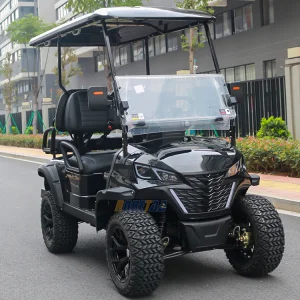
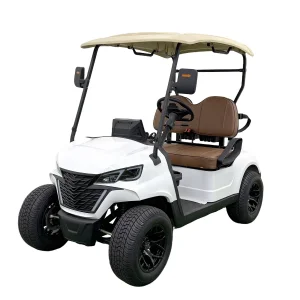
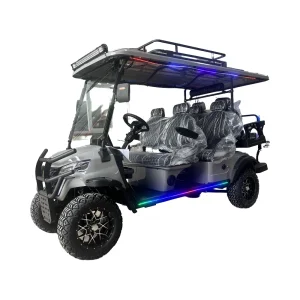
Explore our elite range of electric sightseeing buggies, multi-passenger shuttles, and customizable resort transporters.
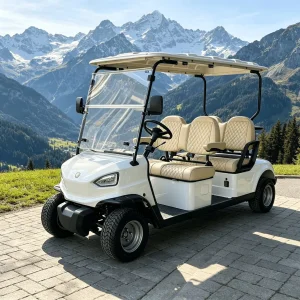
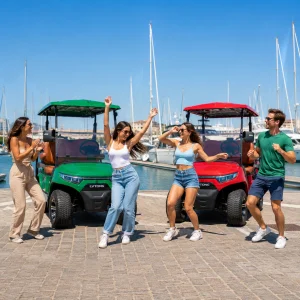
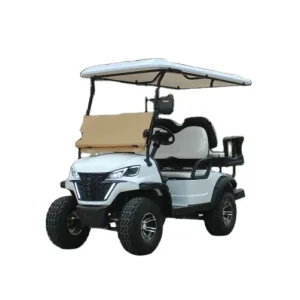
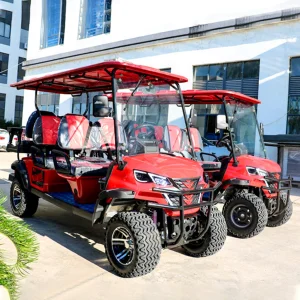
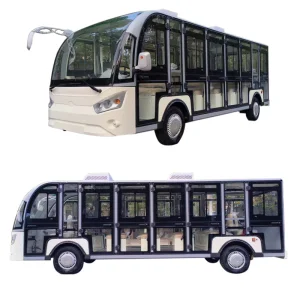
The hospitality sector is undergoing a profound paradigm shift. The integration of sustainable, quiet, and highly efficient transport solutions is no longer a luxury—it is an operational imperative and a core component of ESG (Environmental, Social, and Governance) targets. As global resorts, airports, and luxury communities transition away from carbon-heavy transport systems, the demand for specialized light electric vehicles (LEVs) has surged.
Historically, resort transportation relied on generic utility carts or loud internal combustion engines (ICE) that disrupted the serene guest experience. Modern engineering has evolved. Today's hotel vehicles are customized, high-chassis, lithium-battery-driven micro-mobility solutions that serve as the lifeline of guest logistics, staff operations, and VIP concierge pathways. From classic vintage sightseeing buses to heavy-duty off-road utility buggies, the right fleet solution directly correlates with optimized guest satisfaction and reduced overheads.
For international procurers, sourcing these specialty fleets from China represents the apex of cost efficiency, tech integration, and structural customizability. Leveraging clusters of highly integrated supply chains, China manufacturers have moved from offering simple components to exporting complete, intelligent mobility systems designed to meet stringent global standards, including CE, EPA, DOT, and EEC certifications.
Every property presents distinct spatial demands. A localized fleet selection maximizes security, passenger throughput, and brand presentation.
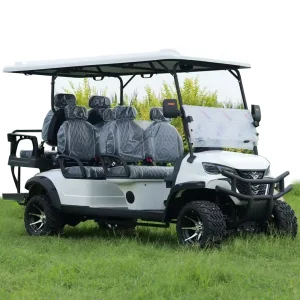
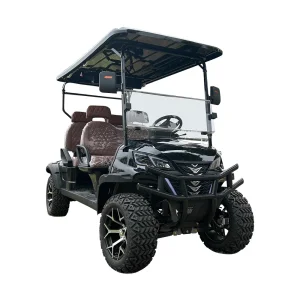
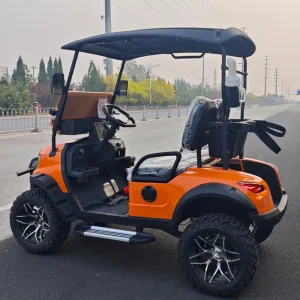
Operating in environmentally sensitive corridors demands near-zero acoustic footprints and low-impact drivetrains. In these zones, high-chassis, solar-assisted off-road models are preferred. They successfully navigate steep, unpaved terrain while minimizing ecological disturbance.
High humidity and salt-laden air quickly corrode standard components. Localized configurations for coastal properties prioritize anti-corrosion, double-coated aluminum frames, sealed AC drivetrains, marine-grade upholstery, and protective undercoatings to prevent rust and frame degradation.
Navigating high-foot-traffic concourses requires precise geofencing, speed limiters, tight turning radiuses, and electromagnetic braking systems. 4-seater and 6-seater low-floor electric shuttles deliver seamless, safe transfers for elderly or disabled passengers.
Hotel operations rely heavily on efficient back-of-house logistics. Heavy-duty utility carts equipped with cargo boxes, drop-side tailgates, and customized enclosed laundry beds ensure hotel linens, waste removal, and maintenance tools are transported efficiently.
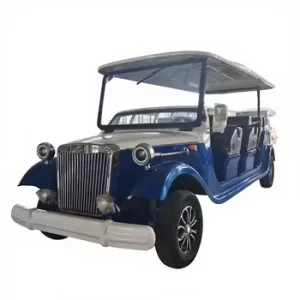
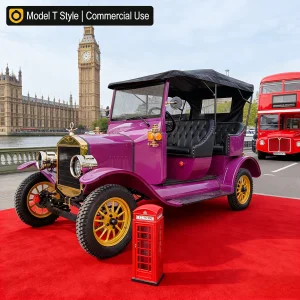
Aesthetic synergy is critical in historic districts. Custom vintage-style sightseeing buses and classic open-air shuttles capture old-world charm while integrating state-of-the-art electric powertrains, delivering a memorable guest experience.
The development of electric hotel vehicles is moving beyond simple battery-and-motor setups. Manufacturers in China are leading the integration of high-performance components, smart fleet management, and sustainable energy sourcing. Below is an overview of the key engineering milestones defining modern fleet acquisition:
Sourcing premium vehicle fleets requires evaluating a manufacturer's production capacity, quality assurance protocols, and supply chain reliability. China's industrial clusters for light electric vehicles provide a significant competitive advantage over regional competitors.
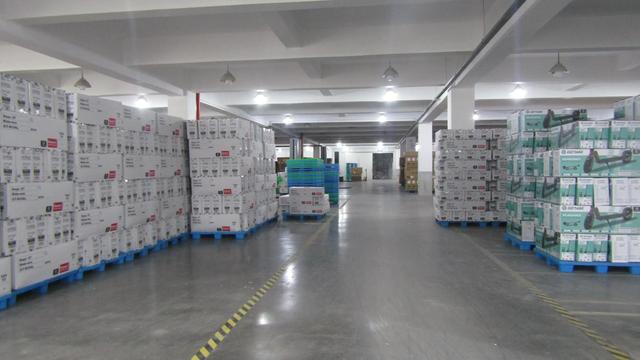
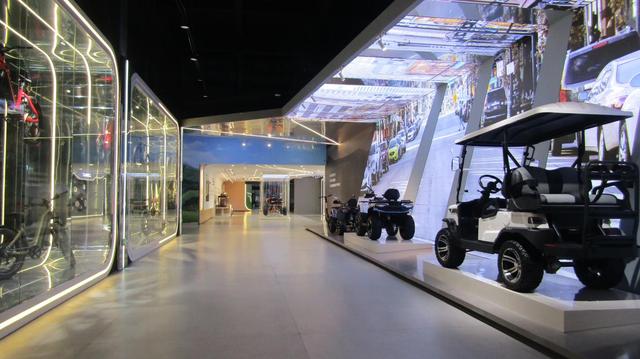
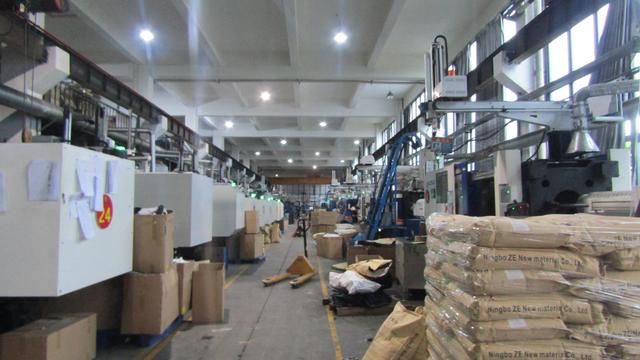
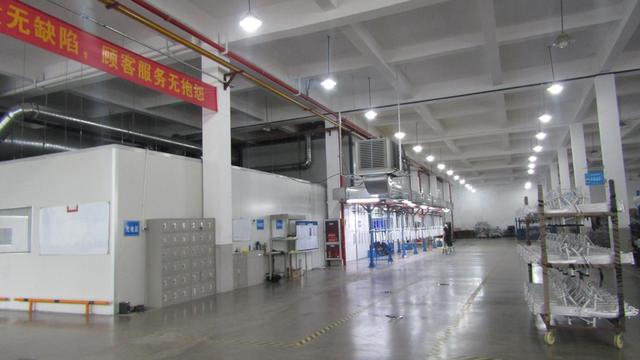
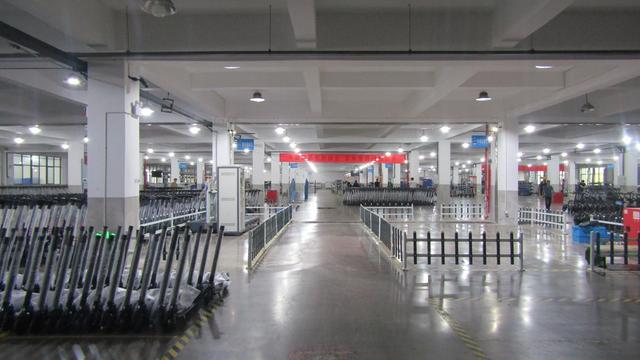
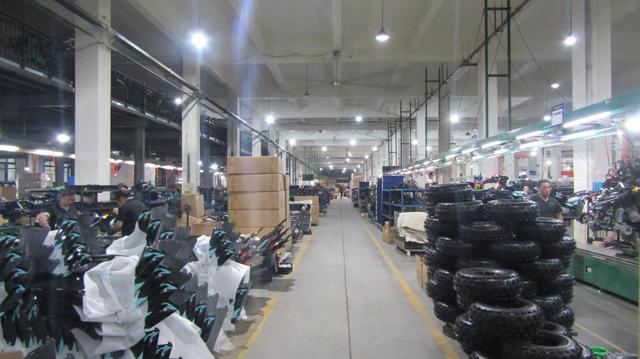
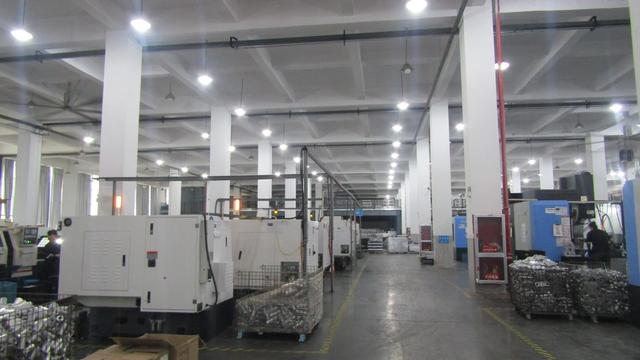
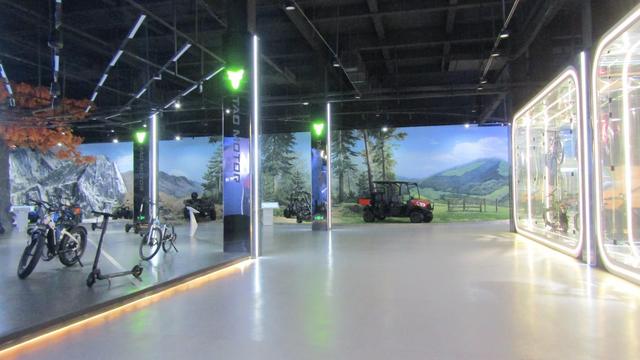
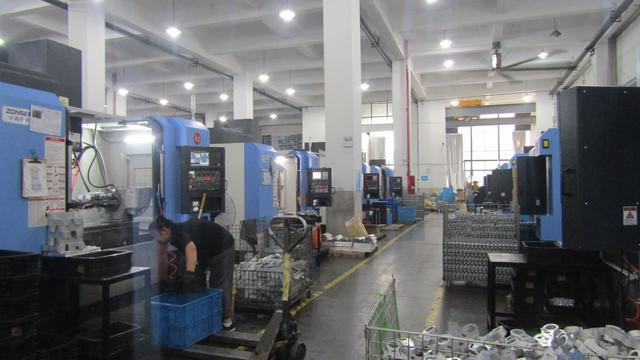
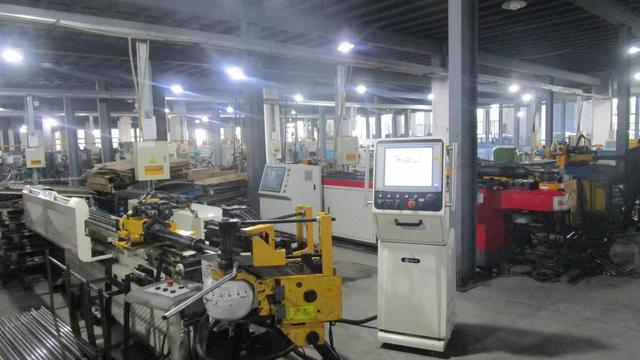
At the forefront of this industrial cluster is Hangzhou Sarr Golf Co., Ltd., a professional manufacturer specializing in golf carts, utility vehicles, and commercial transport solutions. Established in 2012, the company is headquartered in Hangzhou, China, and operates a modern manufacturing facility covering 18,000 square meters. With more than 180 employees, including experienced engineers, production technicians, and quality control specialists, Sarr Golf provides the manufacturing foundation needed to support demanding fleet deployments.
The company integrates advanced vehicle engineering, battery management systems, and efficient assembly processes to ensure reliable performance, energy efficiency, and long-term durability. Every vehicle undergoes comprehensive inspection and performance testing before delivery, ensuring consistency across all production runs.
Deploying commercial vehicles globally requires strict adherence to regional safety and emission regulations. Depending on the destination, vehicles must meet specific standards:
Beyond product certification, ensuring long-term operational readiness requires a dependable support network. Sarr Golf provides comprehensive OEM and ODM support, supplying replacement components, battery modules, and technical training to international maintenance teams.
Essential considerations for commercial buyers when purchasing, customizing, and importing electric hotel utility fleets.
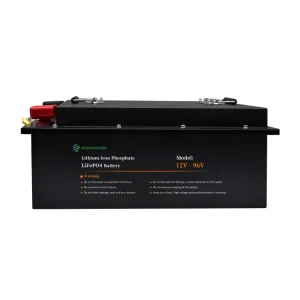
Lead-acid batteries generally deliver between 500 and 800 charge cycles, requiring routine watering and maintenance. In contrast, Lithium Iron Phosphate (LiFePO4) systems provide 3,000 to 4,500 cycles (lasting roughly 8 to 10 years). They require no maintenance, charge significantly faster, and maintain stable performance even at low charge states.
Yes. Standard configurations handle inclines between 15% and 20%. For mountain properties, we customize drivetrains with high-torque AC motors (5kW to 7.5kW) and hill-hold controllers. This ensures stable power delivery and controlled descent on steep slopes.
Our customization options are extensive. They include custom seating configurations (ranging from 2 to 14 seats), custom paint finishes, brand logo integration, off-road cargo packages, built-in coolers, specialized luggage racks, solar-charging canopies, and weatherproof enclosures.
We provide a comprehensive warranty package that covers the chassis, motor, and controller. For international fleet orders, we supply a package of critical spare parts (such as brake pads, switches, and contactors) with the initial shipment. Technical support is available via video diagnostics to guide local maintenance teams.
Standard production runs are completed within 25 to 30 days. Custom configurations or large orders generally require 35 to 45 days. Vehicles are secured in steel crates and shipped in standard ocean containers, ensuring they arrive undamaged and ready for immediate deployment.
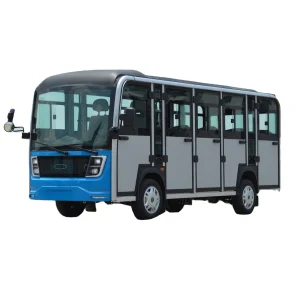
A comprehensive selection of commercial passenger buses, off-road utility carts, and advanced battery setups.
 Sarr Golf