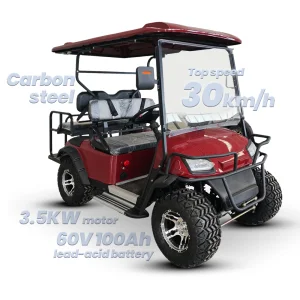
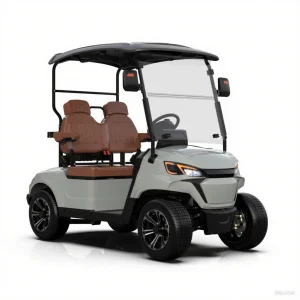
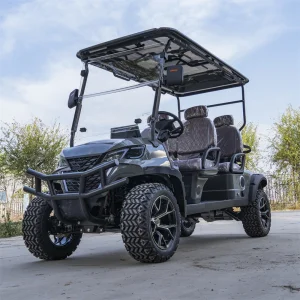
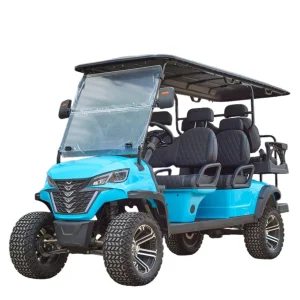
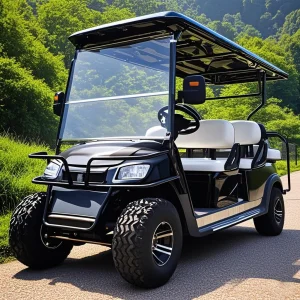
Explore our premium product portfolio designed for high efficiency, long range, and maximum operational reliability.
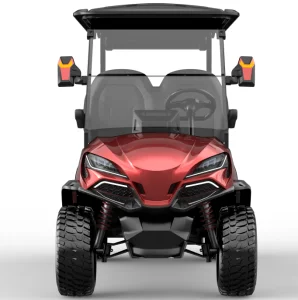
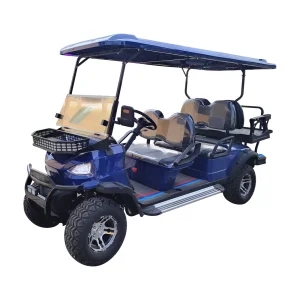
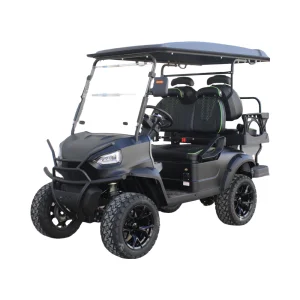
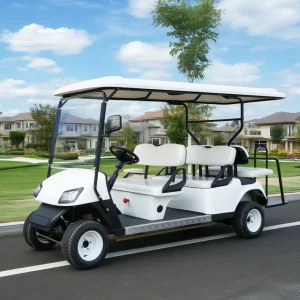
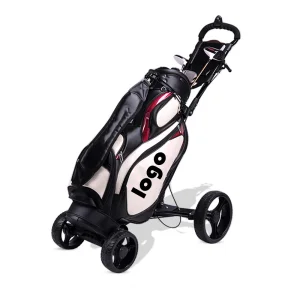
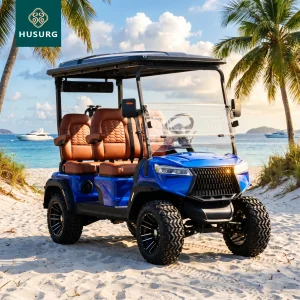
The paradigm shift in low-speed electric vehicles (LSEVs) and custom fleet configuration.
The global commercial mobility landscape is witnessing a massive transition from traditional lead-acid batteries to High-Density Lithium-Ion (LiFePO4) systems. Industrial fleets demand reduced charging cycles, zero maintenance, extended lifespans (exceeding 3,500 charging cycles), and significant weight reductions to optimize power efficiency and vehicle dynamics.
Solar-assisted off-road buggies represent the vanguard of sustainable fleet operations. Integrated thin-film photovoltaic roof profiles provide continuous trickle charging, extending daily range by up to 20-30% under optimal solar irradiance. This reduces grid dependence and ensures remote operability in expansive commercial sectors.
Regulatory compliance is non-negotiable for enterprise procurers. Global markets require strict adherence to regulatory standard frameworks, including DOT (Department of Transportation) criteria in the Americas and EEC (European Economic Community) homologation in Europe. Features like safety harnesses, tempered glass windshields, LED optical indicators, and hydraulic braking systems are standard configurations.
Global Standard Manufacturing & Custom Electric Engineering
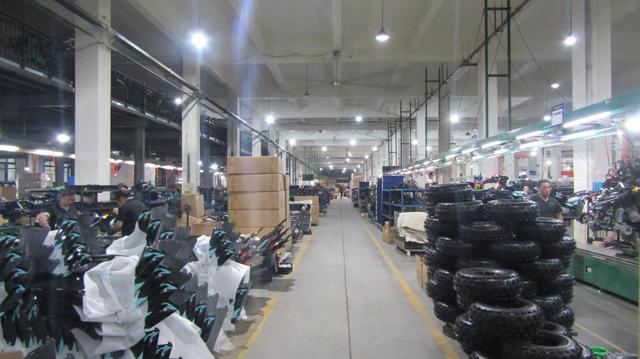
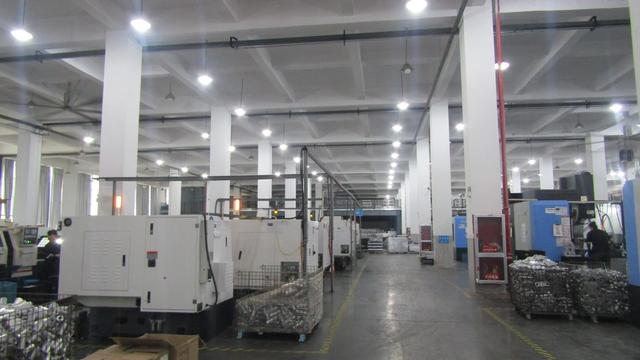
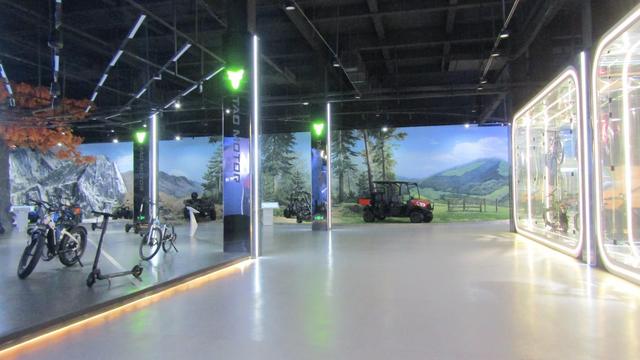
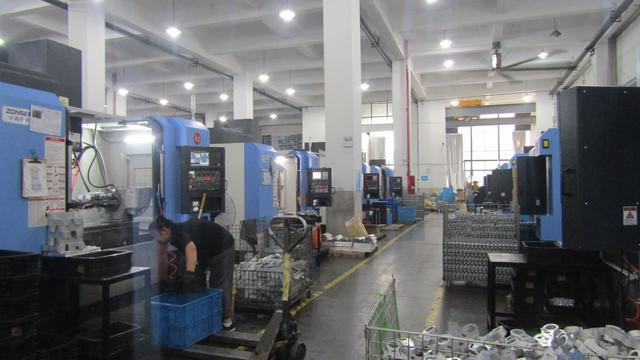
Hangzhou Sarr Golf Co., Ltd. is a professional manufacturer specializing in golf carts, utility vehicles, and commercial transport solutions for global markets. Established in 2012, the company is headquartered in Hangzhou, China, and operates a modern manufacturing facility covering 18,000 square meters with more than 180 employees, including experienced engineers, production technicians, and quality control specialists.
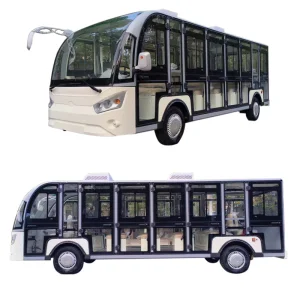
Focused on electric mobility technology, Sarr Golf designs and manufactures a wide range of transportation vehicles, including electric golf carts, utility carts, resort transportation vehicles, community mobility carts, sightseeing vehicles, campus transport solutions, and customized commercial transport vehicles. The company serves customers across golf courses, resorts, hotels, airports, industrial parks, residential communities, educational campuses, and recreational facilities.
Sarr Golf integrates advanced vehicle engineering, battery management systems, and efficient assembly processes to ensure reliable performance, energy efficiency, and long-term durability. Its manufacturing operations are supported by modern production lines, vehicle testing equipment, and strict quality management procedures. Every vehicle undergoes comprehensive inspection and performance testing before delivery.
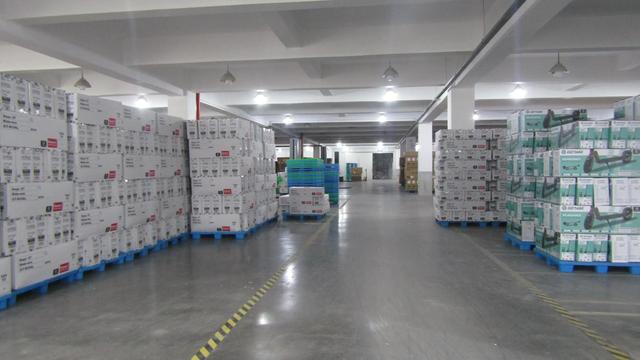
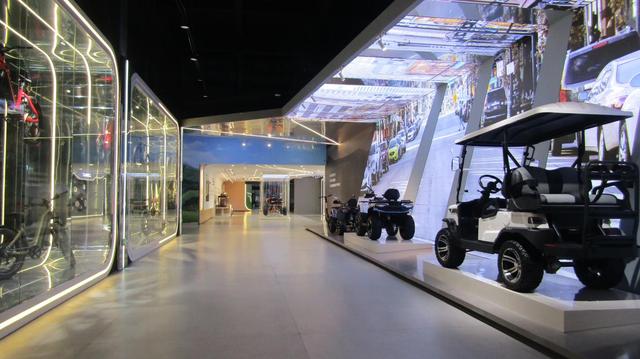
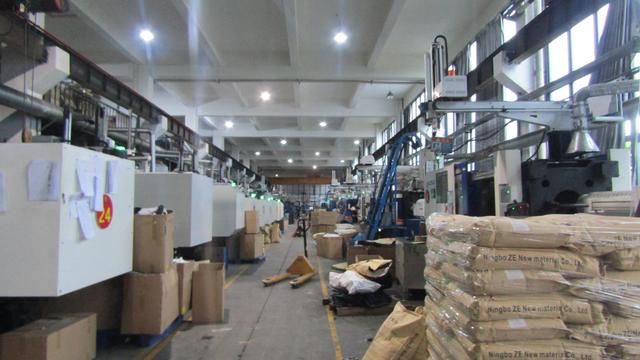
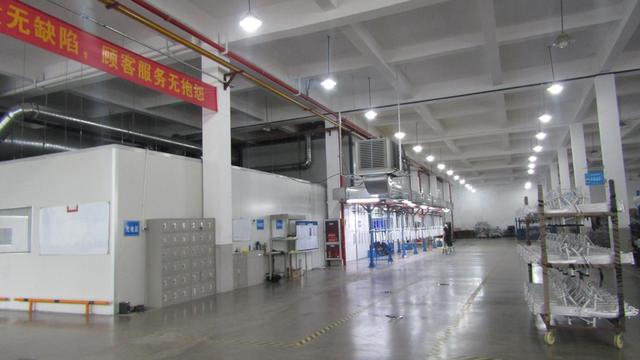
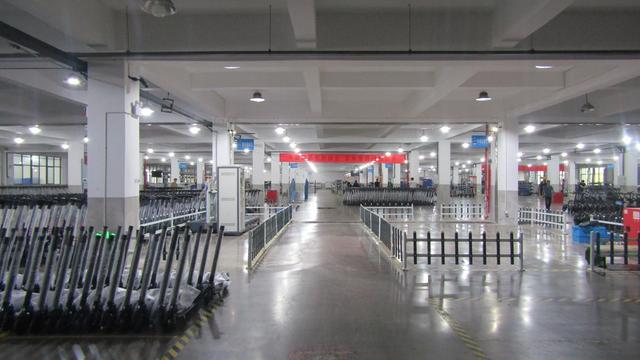
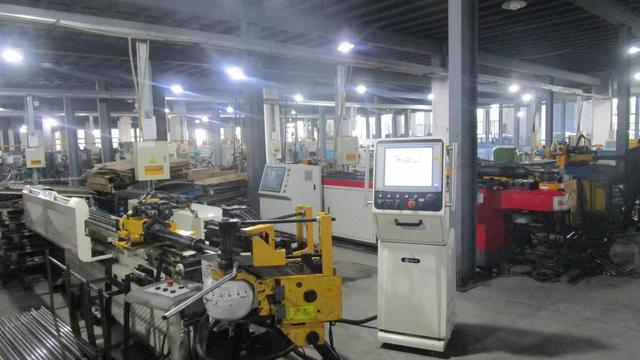
Leveraging high-end manufacturing clusters to deliver cost efficiency and agile customization cycles.
Our engineering ecosystem allows fast transition from design files to full-scale working prototypes. We handle complex geometric frames, custom steering dynamics, suspension configurations, and custom electrical wire harness development, ensuring rapid integration of customer-specified components.
Sarr Golf utilizes aerospace-grade lightweight aluminum extrusion profiles for frame architecture, drastically lowering gross vehicle weight. Polypropylene-injected composite bodies feature high impact resilience, UV-stability, and customizable pigmentation, eliminating paint-peel issues under harsh marine or tropical resort conditions.
Based in the Yangtze River Delta industrial belt, we utilize top-tier local component clusters (motors, controllers, transaxles, tires, and structural components). Our modern lean assembly lines minimize cycle times, guaranteeing highly competitive lead times and dependable shipping support to major global ports.
Custom configurations tailored to specific operational needs and environments.
High-capacity, smooth-ride 6-seater and 8-seater configurations provide ultra-quiet, zero-emission passenger shuttles. Soft, high-grade marine vinyl seats, soundless AC motors, and progressive leaf-spring suspension guarantee premium comfort for guests in coastal areas, private estates, and luxury destinations.
High-torque utility platforms equipped with heavy-duty aluminum cargo boxes and towing systems handle demanding material handling tasks. High-efficiency motor options (3kW to 5kW AC) coupled with programmable speed governors ensure safe operation in crowded passenger terminals, aircraft hangars, and industrial zones.
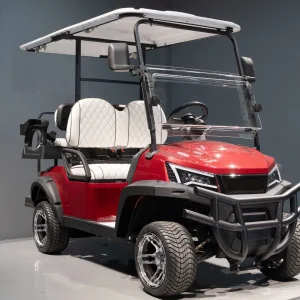
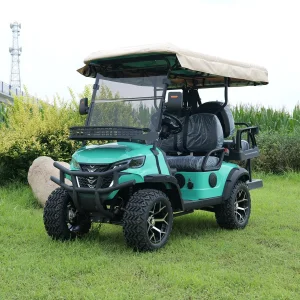
For rugged, off-road applications, lifted suspension packages, knobby off-road tread tires, steel brush guards, and high-output LED searchlights are standard. Integrated solar roof arrays supply reliable battery charging in remote areas, making them ideal for forestry protection, border control, and adventure park travel.
In-depth insights to support corporate purchasing managers, distributors, and design engineers.
Lithium Iron Phosphate (LiFePO4) systems provide higher energy density, zero maintenance requirements, and an extended service life exceeding 3,500 full discharge cycles, compared to approximately 500-800 cycles for lead-acid. LiFePO4 chemistry also eliminates the risk of acid spills, maintains stable voltage levels throughout discharge, and shaves off up to 150 kg of vehicle weight. This lighter profile reduces motor load, improves braking efficiency, and lowers overall energy consumption.
Our premium configurations are engineered to meet specific localized regulations. For European markets, we offer EEC-certified vehicles that comply with all safety and lighting guidelines. For North America, we align with DOT configurations, incorporating safety features like 3-point seatbelts, laminated safety glass windshields, turn indicators, side mirrors, hydraulic disc brakes, horn assemblies, and programmable speed controls to comply with Low-Speed Vehicle (LSV) statutes.
Our ODM capabilities span full vehicle customization. We can alter body styling, lengthen wheelbases to increase passenger seating (2, 4, 6, or 8 seats), install customized suspension setups, integrate solar roof charging kits, configure specialized utility beds (refrigerated box, drop-side cargo bed, medical transport setups), and install custom branding and corporate color palettes directly in production.
We use high-torque, brushless AC induction motors (ranging from 3kW, 4kW, to 5kW) known for low heat output, high efficiency, and zero brush-wear maintenance. These motors are paired with smart, programmable controllers (e.g., Curtis or Toyota systems) that feature regenerative braking systems, slope descent speed control, and real-time diagnostic outputs.
Standard vehicle models typically require a manufacturing lead time of 20 to 30 days. Custom OEM/ODM configurations requiring modified chassis geometry, special structural fabrication, or specific electronic components have a lead time of 40 to 60 days. Our logistics department coordinates container loading and handles export documentation, facilitating shipping from major ports like Ningbo or Shanghai directly to your target destination.
Our solar-integrated vehicles feature thin-film solar panels embedded within the aerodynamic roof composite. Under optimal solar conditions, the system generates continuous high-voltage output, which is regulated by an MPPT (Maximum Power Point Tracking) charge controller to charge the battery bank. In sunny resort environments, this setup can add 15 to 25 km of range per day, reducing grid charging costs and extending battery service life.
We build our vehicles on hot-dip galvanized steel chassis or high-strength extruded aluminum alloy frames to prevent rust and corrosion in coastal and high-humidity areas. Suspension systems feature independent MacPherson struts on the front axle and heavy-duty leaf springs with hydraulic shock absorbers on the rear. This setup provides high load capacity, excellent ground contact, and a smooth ride over uneven terrain.
Every vehicle undergoes a multi-phase QA protocol before packaging. This includes structural weld tests, high-pressure water tightness testing to confirm IP-rated component seal integrity, battery cycle tests, electronic diagnostics, and a road test on our test track to evaluate steering alignment, braking distance, and hill-climbing torque.
Reliable performance, robust chassis design, and customizable passenger configurations.
 Sarr Golf