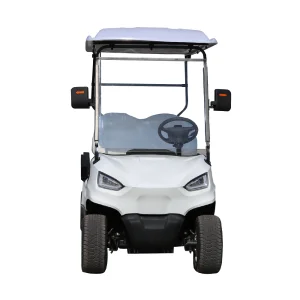
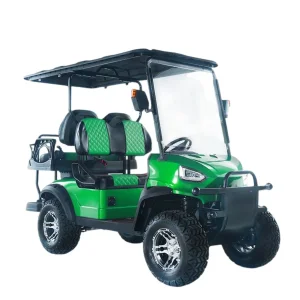
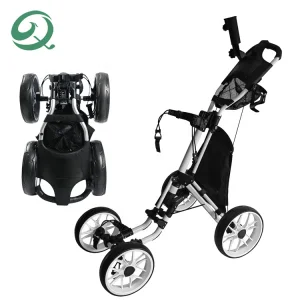
As the world pivots toward a carbon-neutral future, the demand for Electric Mobility Vehicles (EMVs) has expanded far beyond the traditional fairway. Today, the global LSEV (Low-Speed Electric Vehicle) market is projected to witness a CAGR of over 8.5% through 2030. This growth is driven by the rapid urbanization of commercial spaces, the expansion of eco-conscious tourism, and a fundamental shift in industrial logistics.
North American and European markets are transitioning from traditional internal combustion engines to 72V and Lithium-powered systems, seeking higher torque and lower maintenance costs.
With CE, DOT, and EEC certifications becoming the baseline, global procurement managers prioritize manufacturers who integrate safety engineering with environmental compliance.
Modern EMVs are no longer just "carts"; they are smart energy units. Solar-powered integration and kinetic energy recovery systems (KERS) are now defining industry leaders.
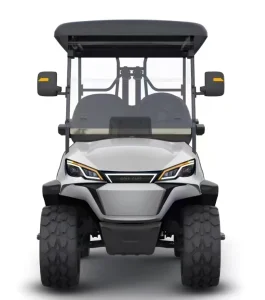
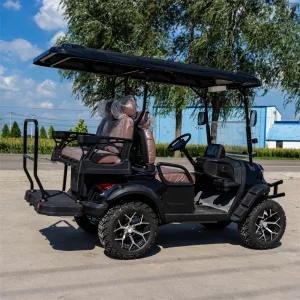
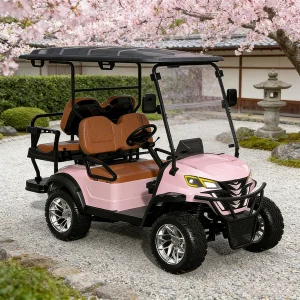
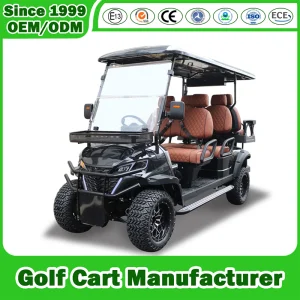
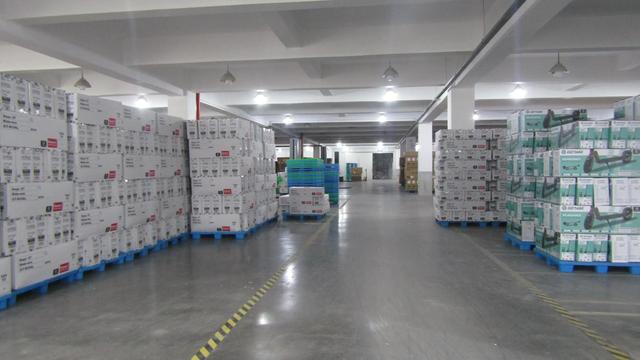
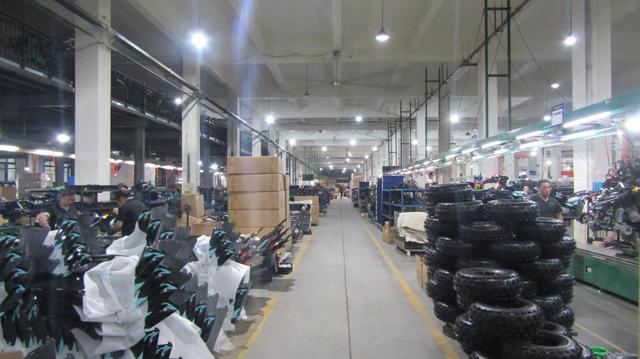
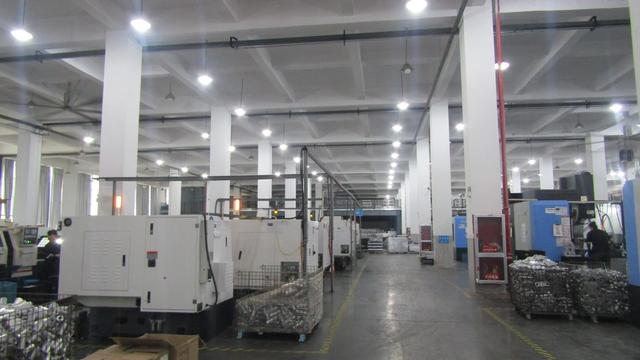
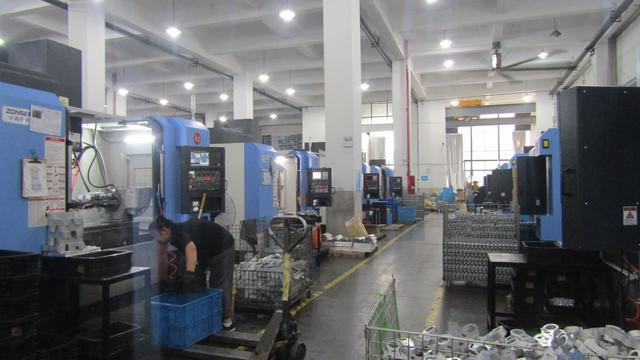
Hangzhou Sarr Golf Co., Ltd. is a professional manufacturer specializing in golf carts, utility vehicles, and commercial transport solutions for global markets. Established in 2012, the company is headquartered in Hangzhou, China, and operates a modern manufacturing facility covering 18,000 square meters with more than 180 employees, including experienced engineers, production technicians, and quality control specialists.
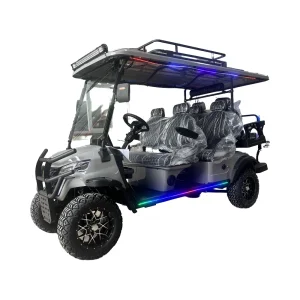
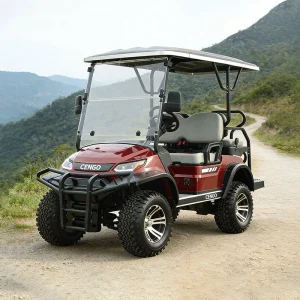
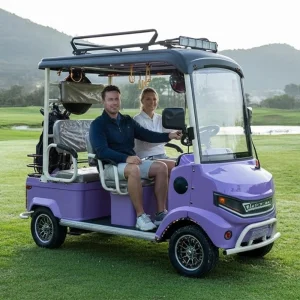
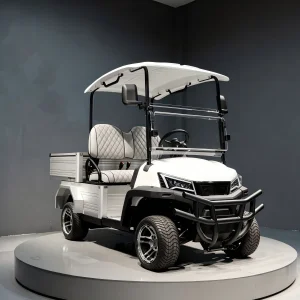
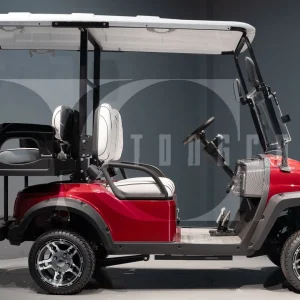
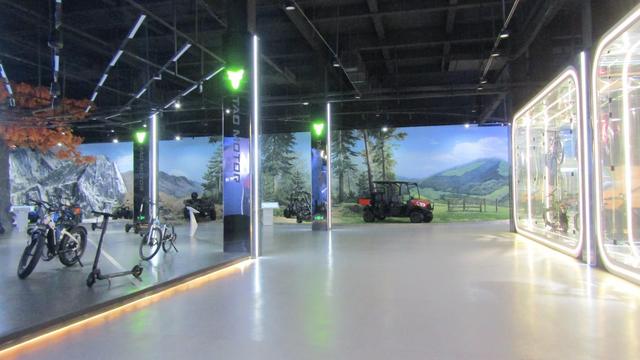
Focused on electric mobility technology, Sarr Golf designs and manufactures a wide range of transportation vehicles, including electric golf carts, utility carts, resort transportation vehicles, community mobility carts, sightseeing vehicles, campus transport solutions, and customized commercial transport vehicles. The company serves customers across golf courses, resorts, hotels, airports, industrial parks, residential communities, educational campuses, and recreational facilities.
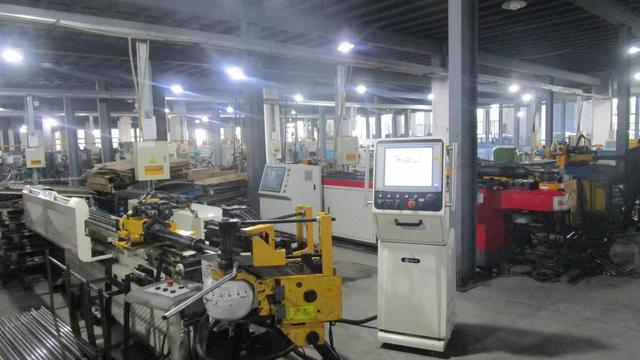
Sarr Golf integrates advanced vehicle engineering, battery management systems (BMS), and efficient assembly processes to ensure reliable performance, energy efficiency, and long-term durability. Its manufacturing operations are supported by modern production lines, vehicle testing equipment, and strict quality management procedures. Every vehicle undergoes comprehensive inspection and performance testing before delivery.
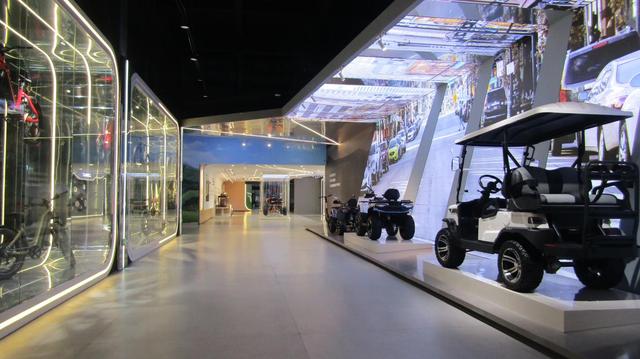
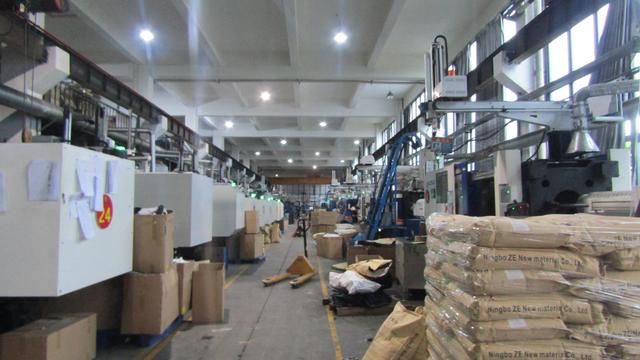
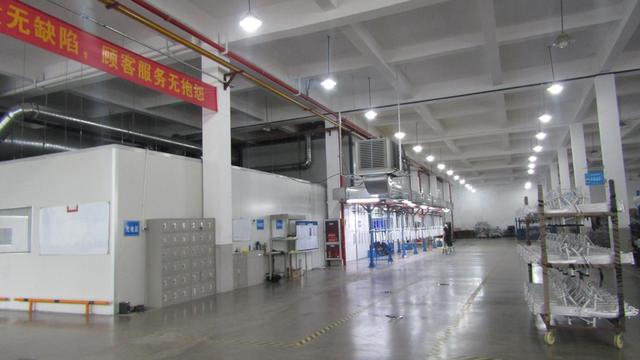
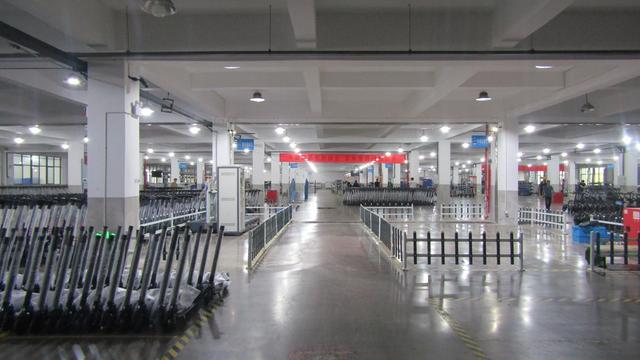
Located in the heart of China's high-tech manufacturing hub, we leverage a localized supply chain for motors, controllers, and LiFePO4 batteries, reducing lead times by 30% compared to Western counterparts.
Our 18,000 sqm facility allows for mass production efficiencies. We pass these savings onto our clients without compromising on the use of high-grade steel chassis and premium automotive-grade plastics.
We offer flexible OEM and ODM services, enabling customers to customize vehicle configurations, seating capacities (2, 4, 6, 8 seats), battery systems, branding, and application-specific features.
The versatility of our fleet allows for seamless integration into various high-stakes environments:
To provide true Information Gain for procurement professionals, it is essential to understand the underlying technology that separates a "toy" from a "professional utility vehicle."
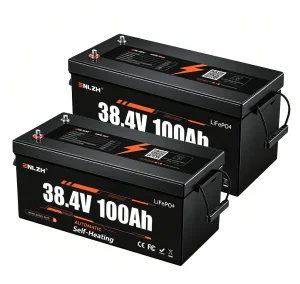
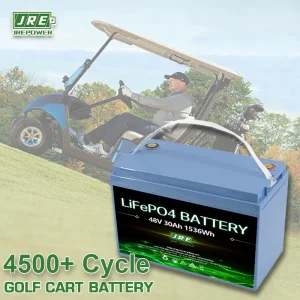
We are transitioning away from traditional Lead-Acid batteries toward LiFePO4 (Lithium Iron Phosphate). Why? LFP batteries offer 3,000+ charge cycles compared to 500 for lead-acid, higher thermal stability, and 50% less weight, significantly increasing the range to 70-90km per charge.
Our vehicles utilize programmable AC controllers. This allows fleet managers to set speed limits, acceleration curves, and regenerative braking intensity via a simple interface, ensuring safety in pedestrian-heavy areas.
Durability starts from the ground up. We utilize hot-dip galvanized steel or aerospace-grade aluminum alloys to ensure the chassis remains corrosion-free even in coastal resort environments with high salinity.
 Sarr Golf