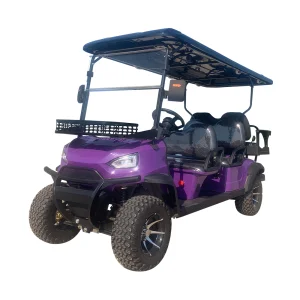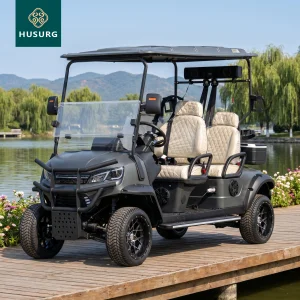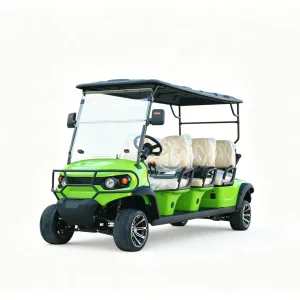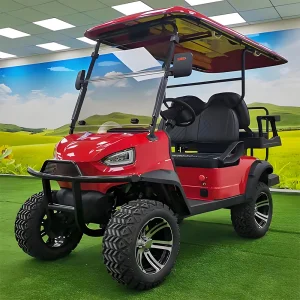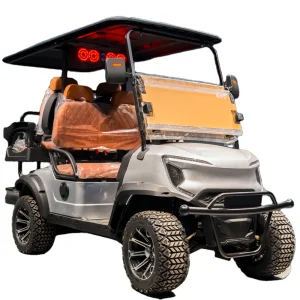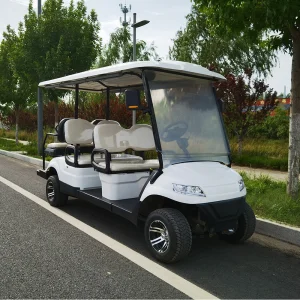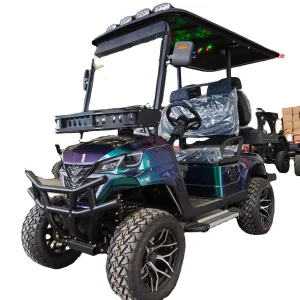
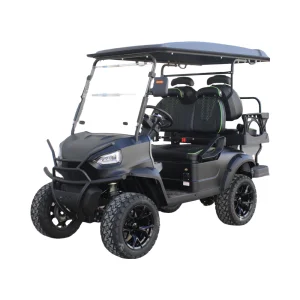
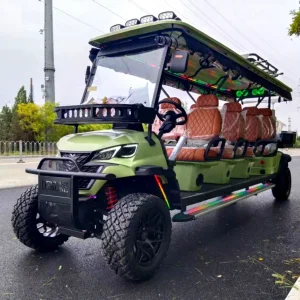
Executive Abstract: As cities undergo structural shifts toward energy-efficient mobility systems, the commercial low-speed electric vehicle (LSEV) has emerged as a cornerstone for logistical, hospitality, and institutional transportation. This paper explores the specific application paradigms of electric golf carts and utility buggies in metropolitan ecosystems like Houston, Texas, assessing the mechanical, chemical, and operational architectures necessary to withstand challenging local climates while meeting global decarbonization targets.
Houston, Texas, represents one of the most dynamic and complex commercial landscapes in North America. Spanning over 600 square miles, the metroplex encompasses critical centers such as the Texas Medical Center (the world's largest medical complex), the Energy Corridor, the Port of Houston, and expansive master-planned communities like The Woodlands and Cinco Ranch. Each of these zones exhibits unique operational demands for micro-mobility solutions.
Within large-scale industrial complexes and medical centers, heavy-duty utility vehicles facilitate the movement of personnel, maintenance gear, and localized freight over low-speed corridors. The integration of high-performance electric golf carts decreases operating expenses (OPEX) and eliminates indoor and on-campus combustion emissions. However, the Gulf Coast environment introduces structural challenges: intense relative humidity, extreme summer heat index levels frequently exceeding 105°F, and atmospheric salt exposure near coastal channels. Commercial-grade fleets operating in these conditions require robust corrosion-resistant chassis, advanced thermal battery management, and heavy-duty suspension designs.
The global low-speed electric vehicle industry is undergoing an accelerated technological evolution. Historically limited to recreational golf courses, utility carts have transitioned into versatile industrial workhorses. According to recent market analysis, the global market for commercial electric utility vehicles is projected to expand significantly, driven by corporate environmental policies, municipal green zone regulations, and the superior efficiency of lithium-ion drivetrains compared to lead-acid legacy systems.
Modern fleet operators prioritize total cost of ownership (TCO). While traditional internal combustion engine (ICE) utility carts require regular filter replacements, fuel management systems, and mechanical tuning, electric fleets require minimal drivetrain maintenance. Furthermore, the transition to intelligent battery management systems (BMS) enables real-time telematics, remote diagnostics, and geofencing capabilities—technologies essential for modern municipal and corporate fleet management.
Operating a micro-mobility fleet in Houston requires careful consideration of local environmental conditions. Unlike drier interior regions, the Texas Gulf Coast experiences high humidity and salt-laden air, which accelerate the corrosion of standard steel chassis. Manufacturers must utilize premium materials to ensure structural integrity:
Eliminating the rust vulnerability of traditional steel, structural aluminum frames provide lightweight strength and durability in humid, coastal environments.
Houston's summer heat demands high-capacity BMS with safety mechanisms to manage cells during prolonged heavy workloads.
Houston's localized rainstorms and street flooding demand dust-proof and highly water-resistant electrical housings and motors.
The transition from lead-acid to Lithium Iron Phosphate (LiFePO4) battery chemistry represents a major technical advancement in commercial golf cart design. LiFePO4 batteries offer a longer lifecycle (typically exceeding 3,500 charging cycles at 80% Depth of Discharge) compared to lead-acid batteries, which show significant capacity loss after 500-800 cycles.
Additionally, modern drivetrains are moving from traditional DC motors to high-efficiency AC induction and permanent magnet synchronous motors (PMSM). These systems offer regenerative braking, which converts kinetic energy back into battery capacity during deceleration—an important feature for stop-and-go operations in logistics hubs, golf courses, and campus environments. Autonomous and semi-autonomous driving systems, currently in testing phases, will eventually enable self-navigating shuttle services within closed business parks and medical centers.
| Specification Parameter | Legacy Lead-Acid Systems | Advanced LiFePO4 Systems (Starr Golf Standard) |
|---|---|---|
| Operational Life Span | 2 - 3 Years (500-800 Cycles) | 7 - 10 Years (3500+ Cycles) |
| Thermal Range Stability | Degrades rapidly above 95°F | Stable operation up to 131°F |
| Weight Distribution | Heavy; increases wear on suspension | Approx. 60% lighter; increases energy efficiency |
| Maintenance Profile | Regular water replenishment required | Zero maintenance, fully sealed cell design |
Hangzhou Starr Golf Co., Ltd. is a professional manufacturer specializing in golf carts, utility vehicles, and commercial transport solutions for global markets. Established in 2012, the company is headquartered in Hangzhou, China, and operates a modern manufacturing facility covering 18,000 square meters with more than 180 employees, including experienced engineers, production technicians, and quality control specialists.
Focused on electric mobility technology, Starr Golf designs and manufactures a wide range of transportation vehicles, including electric golf carts, utility carts, resort transportation vehicles, community mobility carts, sightseeing vehicles, campus transport solutions, and customized commercial transport vehicles. The company serves customers across golf courses, resorts, hotels, airports, industrial parks, residential communities, educational campuses, and recreational facilities.
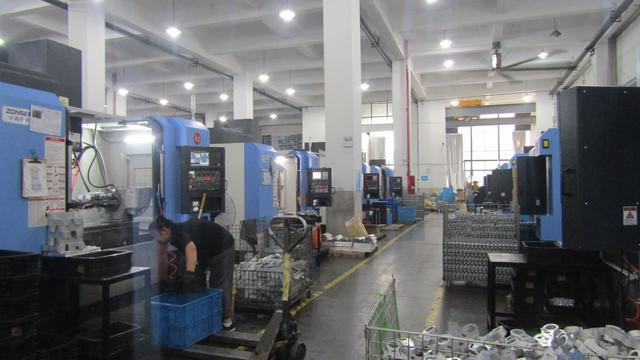
Starr Golf integrates advanced vehicle engineering, battery management systems, and efficient assembly processes to ensure reliable performance, energy efficiency, and long-term durability. Its manufacturing operations are supported by modern production lines, vehicle testing equipment, and strict quality management procedures. Every vehicle undergoes comprehensive inspection and performance testing before delivery.
The company offers flexible OEM and ODM services, enabling customers to customize vehicle configurations, seating capacities, battery systems, branding, colors, and application-specific features according to project requirements. With a commitment to continuous innovation, Starr Golf invests in research and development to enhance vehicle safety, driving comfort, and operational efficiency.
Today, Hangzhou Starr Golf Co., Ltd. exports its products to customers in North America, Europe, the Middle East, Southeast Asia, Oceania, and other international markets. Through dependable manufacturing capabilities, customer-focused service, and sustainable electric transportation solutions, Starr Golf continues to support the growing demand for efficient and environmentally responsible mobility vehicles worldwide.
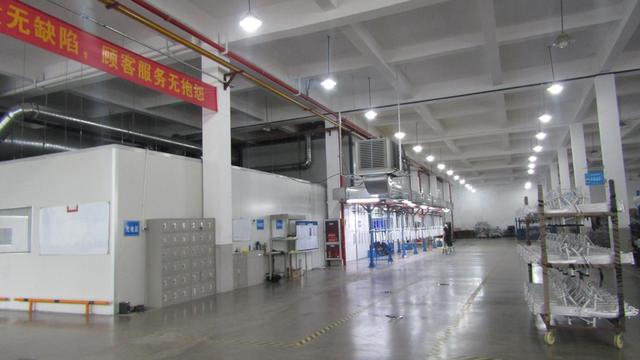
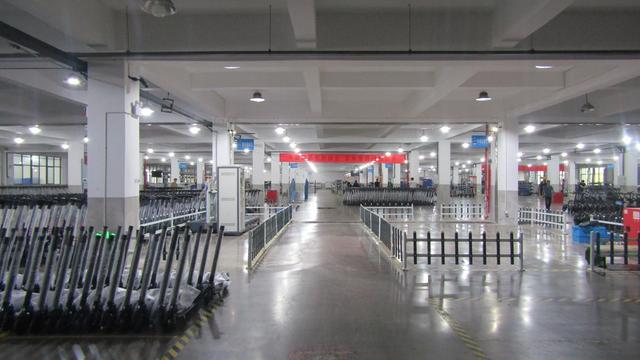
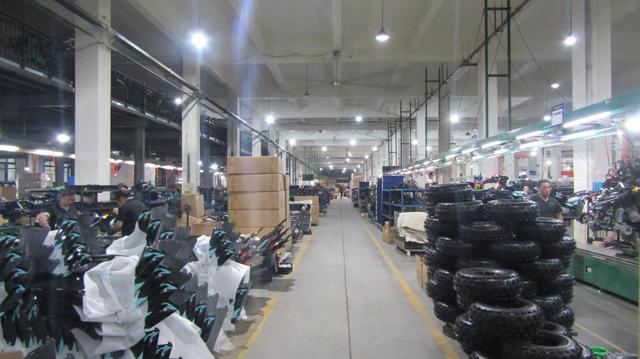
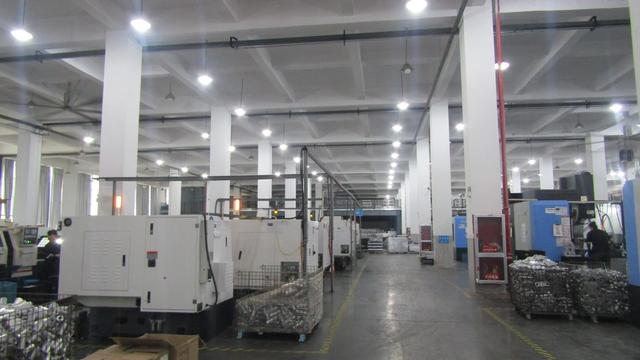
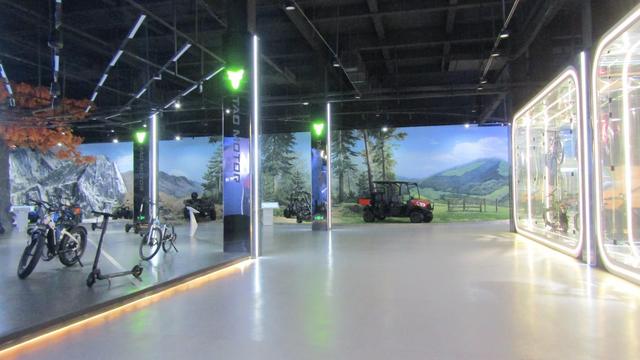
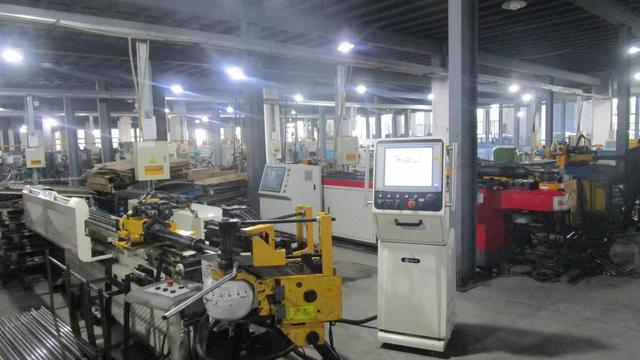
To demonstrate our commitment to high-quality manufacturing, below is an inside look at our 18,000-square-meter facility, showcasing our frame fabrication, electronics calibration, and quality control processes before vehicles are prepped for export to Houston and other global hubs.
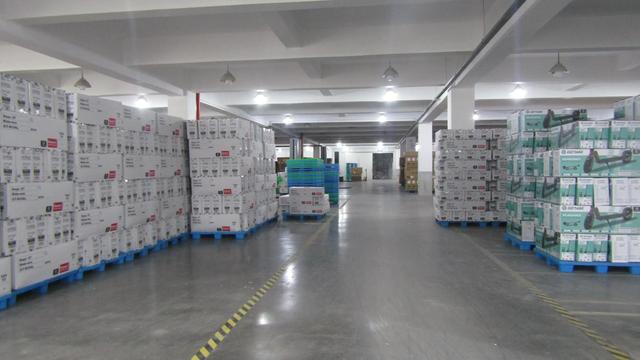
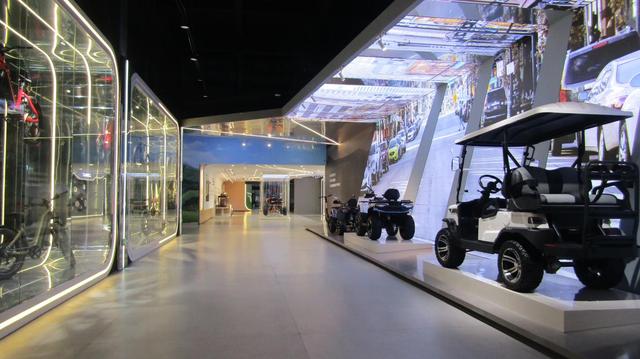
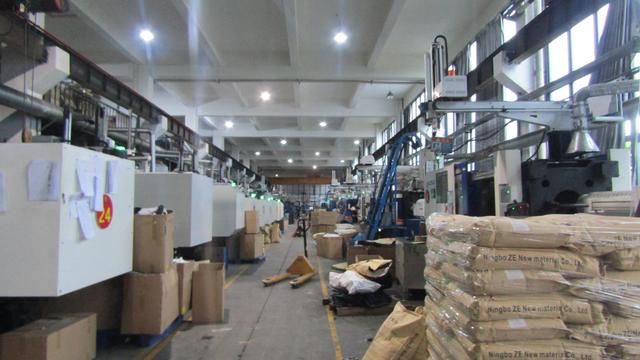
Connect with our engineering specialists to design custom configurations, arrange volume pricing, and coordinate logistics directly to Houston or international ports.
Send Inquiry Now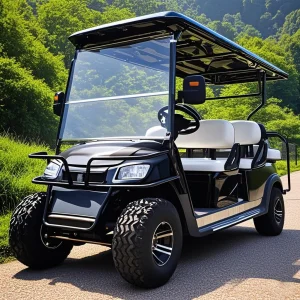
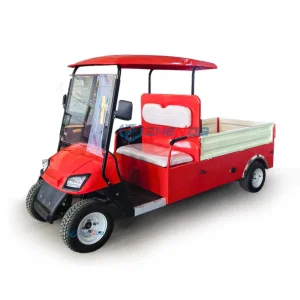
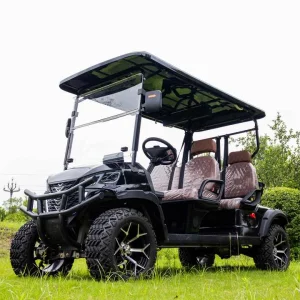
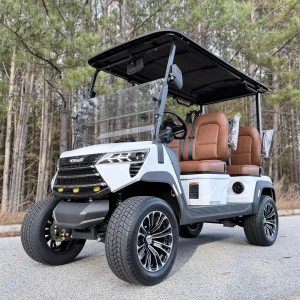
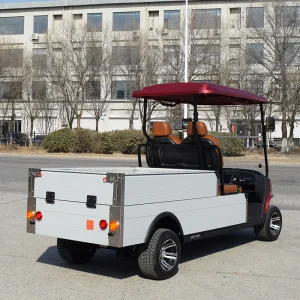
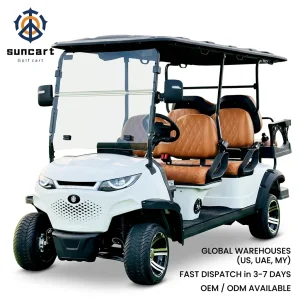
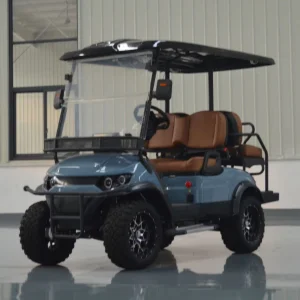
A key aspect of transitioning to electric mobility is establishing a reliable international supply chain. As an experienced exporter, Starr Golf has optimized transport routes from our manufacturing facility to key transit terminals, including the Port of Houston. We offer end-to-end shipping solutions, manage customs clearance, and ensure compliance with US Department of Transportation (DOT) guidelines and Society of Automotive Engineers (SAE) J2258 standards for low-speed vehicles.
For large-scale buyers, such as master-planned community associations, municipal parks departments, and corporate campuses, our OEM/ODM capabilities allow for tailored vehicle specifications. We configure battery management systems for specific daily duty cycles, install customized utility cargo beds, and apply corporate branding during production, ensuring vehicles are ready for immediate deployment upon arrival.
Our vehicles are designed for challenging climates. We use lightweight, structural aluminum alloys for the main chassis frames to prevent rust in humid conditions. In addition, our key electronic controllers, motor casings, and wiring connections carry an IP67 rating to protect against water entry during heavy downpours.
Our vehicles can be built to comply with DOT (Department of Transportation) and federal safety standard FMVSS 500 requirements for Low-Speed Vehicles (LSVs). This includes headlights, taillights, turn signals, mirrors, seat belts, and windshields. Customers should consult Texas DMV regulations regarding registration and local municipal ordinances for operation on public roads.
Our premium LiFePO4 battery management systems are engineered for thermal stability and operate safely at temperatures up to 131°F. These batteries generally last for 3,500 to 4,000 charging cycles before their capacity drops below 80%. This corresponds to about 7 to 10 years of reliable service under normal operational conditions.
We offer flexible customization options. During the design phase, you can choose from different seating capacities (2 to 8 seats), custom cargo bed dimensions, specialized battery pack options (48V/60V/72V systems), built-in utility toolboxes, and custom paint schemes. We also offer options for corporate branding and logo integration.
Contact our team today to discuss bulk fleet discounts, request detailed spec sheets, or initiate a custom OEM/ODM design project.
Send Inquiry Now Sarr Golf