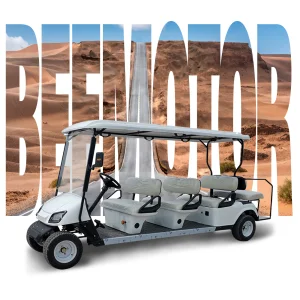
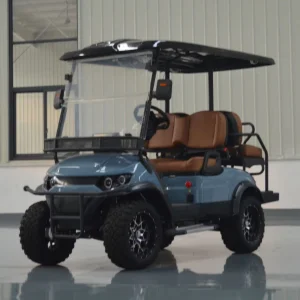
Explore our top-tier catalog of electric utility vehicles, specialized neighborhood transport configurations, and high-performance energy storage systems engineered for global deployment.

How smart engineering and emission regulations are shifting the paradigm of short-distance industrial and hospitality transportation.
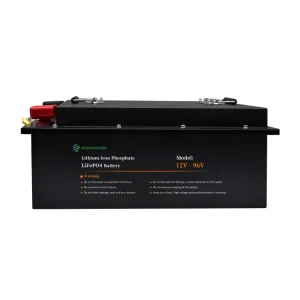
The micro-mobility industry is abandoning lead-acid batteries in favor of Smart LiFePO4 packs. These systems support quick charging, require zero maintenance, and offer up to 3,500 lifecycle runs with minimal degradation.
Compliance is paramount. International fleet purchasers prioritize vehicles featuring EEC, CE, and DOT marks, ensuring street-legal status and seamless operation across diverse regulatory boundaries.
Modern RUVs feature integrated telematics, GPS tracking, remote diagnostics, and geofencing capabilities. Real-time monitoring enhances operator safety and dramatically reduces maintenance overhead.
The global demand for resort utility vehicles (RUVs), electric golf carts, and light commercial transit shuttles is experiencing an unprecedented surge. Driven by international decarbonization initiatives, stringent zero-emission mandates, and the modernization of urban-suburban infrastructure, enterprises worldwide are auditing their local operations. From five-star eco-resorts in the South Pacific to sprawling luxury residential enclaves in Dubai and massive manufacturing hubs throughout North America, the transition away from internal combustion engine (ICE) utility buggies is accelerating.
In this transition, the engineering requirements have evolved beyond simple mobility. Fleet purchasers are no longer asking if a vehicle can move from point A to B; they are questioning its efficiency, duty-cycle capacity, structural resilience, and long-term operating costs. A modern utility vehicle must withstand harsh weather conditions, operate continuously on variable terrain, and maintain peak uptime. Consequently, modern Chinese manufacturing has adapted, shifting from cheap assembly lines to state-of-the-art Smart Factories capable of producing robust, custom-tailored vehicles.
"Sustainable micro-mobility is no longer a localized luxury; it is the core infrastructure requirement for high-density commercial, industrial, and recreational facilities worldwide."
Professional buyers from multinational operations, such as airports, national parks, luxury resort clusters, and multi-facility industrial campuses, utilize a strict matrix for utility vehicle acquisition. The primary metrics governing their procurement cycles include:
Inside the advanced production capabilities of Hangzhou Sarr Golf Co., Ltd., driving optimization across the electric mobility sector.
At the epicenter of this industrial evolution is Hangzhou Sarr Golf Co., Ltd., a premier manufacturer specializing in the design, engineering, and distribution of high-efficiency utility and recreation vehicles. Established in 2012 and headquartered in the industrial tech zone of Hangzhou, China, the company occupies an 18,000 square meter state-of-the-art facility. Backed by over 180 highly skilled workers, including a specialized R&D department and precision quality assurance technicians, Sarr Golf bridges the gap between raw manufacturing capability and tailored, client-focused engineering.
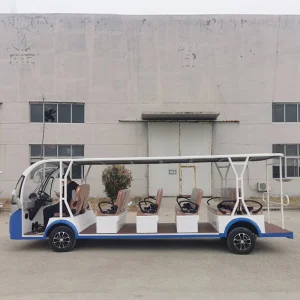
The company’s product line spans electric golf carts, utility cargo trucks, commercial shuttle buses, sightseeing passenger fleets, and specialized vehicles designed for terrain navigation. Because every resort and commercial operation has unique needs, Sarr Golf provides extensive OEM (Original Equipment Manufacturer) and ODM (Original Design Manufacturer) options. Customers can choose custom seating configurations (ranging from 2-seaters to 14-seater community shuttles), select specific lithium pack outputs (48V to 60V, 100Ah to 200Ah), adjust ground clearance for rugged terrains, and tailor brand aesthetics.
By integrating advanced vehicle assembly processes, electronic control mechanisms, and state-of-the-art battery arrays, Sarr Golf ensures that every vehicle leaving the factory line meets rigid international standards. Its strategic location near major Chinese maritime ports ensures seamless global shipping logistics, making it a reliable partner for organizations in North America, Europe, the Middle East, and Southeast Asia.
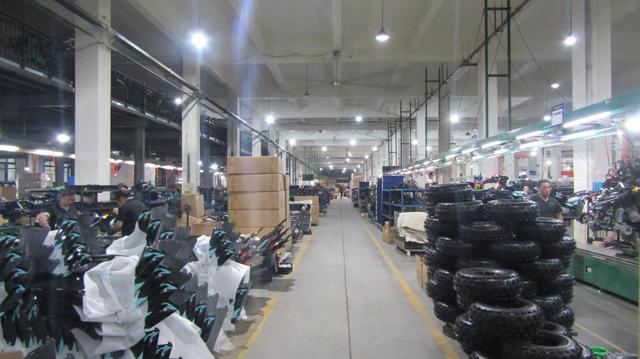
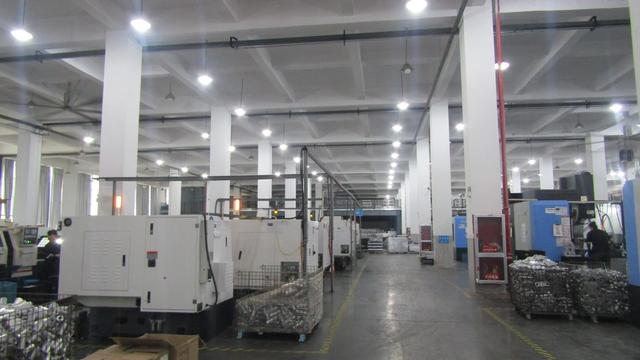
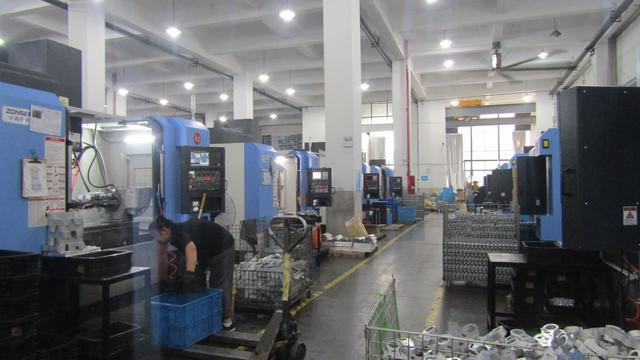
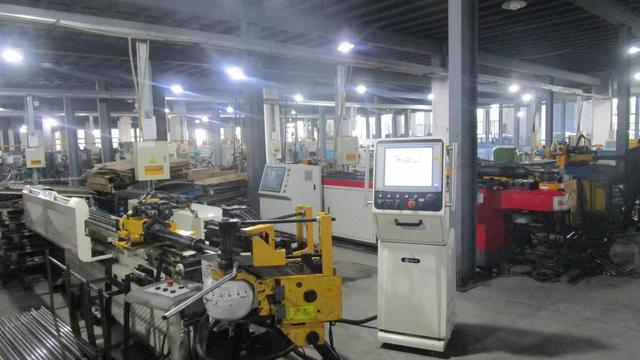
Quality control is integrated into every stage of production at Hangzhou Sarr Golf Co., Ltd. The process begins with raw material inspection, ensuring that only high-tensile, corrosion-resistant steel and premium aluminum alloys are utilized for vehicle frames. Robotic welding lines ensure consistent, structural welds across all critical weight-bearing joints.
Once the chassis is assembled, it undergoes a multi-stage cleaning and immersion process for cathodic electrophoresis (E-coating), which protects the structural core from humidity, rain, and coastal environments. During final assembly, modern electronic control systems are installed and paired with smart battery packs. Every vehicle undergoes a rigorous multi-point inspection process, including dynamometer speed testing, brake response verification, suspension stress testing on synthetic test tracks, and high-load slope climbing checks to ensure performance reliability.
Different operational environments demand distinct configurations. Here is how modern RUVs adapt to unique scenarios.
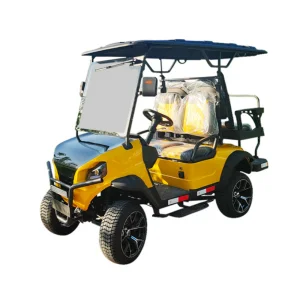
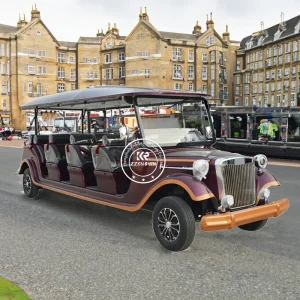
Quiet operation and elegant design are essential for guest transport. 4-seater to 8-seater open-air shuttle carts with premium luxury seating and quiet brushless AC motors ensure guests move comfortably without noise or emission disruption.
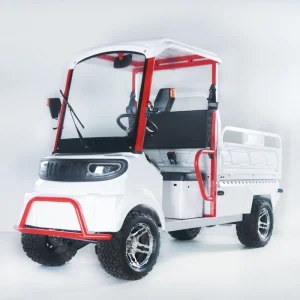
Industrial facilities, theme parks, and construction sites require durable hauling capacity. Electric mini-trucks with heavy-duty drop-side beds and reinforced suspension systems carry payloads up to 1,000kg with ease.
Rugged, off-road applications demand high ground clearance, heavy-duty brush guards, aggressive knobby tires, and low-speed crawling torque. All-terrain configurations allow outdoorsmen to navigate mud, sand, and slopes smoothly.
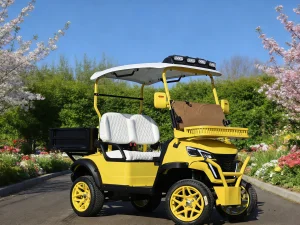
Review the second half of our specialized portfolio, focusing on long-distance passenger transit, robust utility builds, and advanced battery packs.
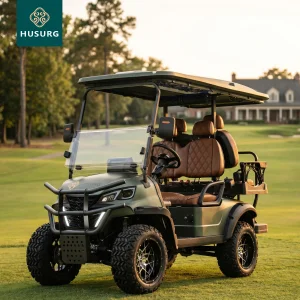
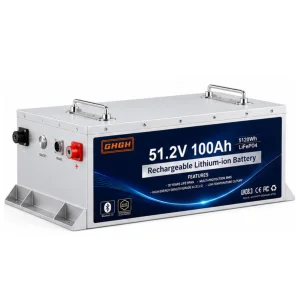
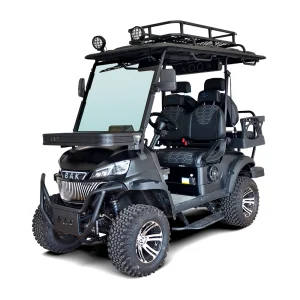
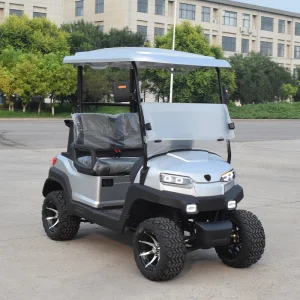
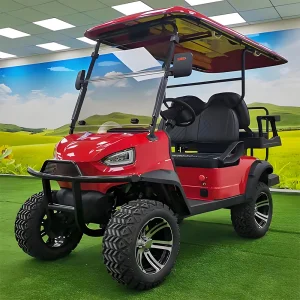
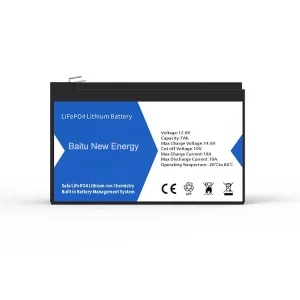
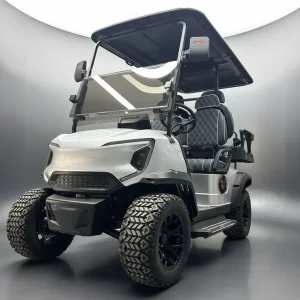
The shift from traditional golf carts to modern utility vehicles is driven by several key technical innovations:
Legacy systems relied on DC motors, which had brushes prone to wear and tear. Today, manufacturers like Hangzhou Sarr Golf Co., Ltd. utilize high-efficiency AC brushless motors. When paired with intelligent digital controllers, these powertrains recover kinetic energy during braking, adjust torque delivery based on load, and prevent roll-back on steep inclines.
Lithium Iron Phosphate (LiFePO4) chemistry has redefined electric cart performance. Compared to older lead-acid options, LiFePO4 batteries weigh approximately 60% less, which reduces stress on vehicle suspensions and minimizes turf compaction. They also support opportunity charging, allowing fleet managers to plug vehicles in during short breaks without memory-effect degradation, and deliver consistent voltage throughout the discharge cycle.
To perform reliably in industrial settings, resort utility vehicles use rugged structural foundations. Robot-welded high-tensile steel frames are treated with protective anti-rust coatings, while independent double-wishbone front suspensions and rear leaf springs provide a smooth ride, even when carrying heavy payloads.
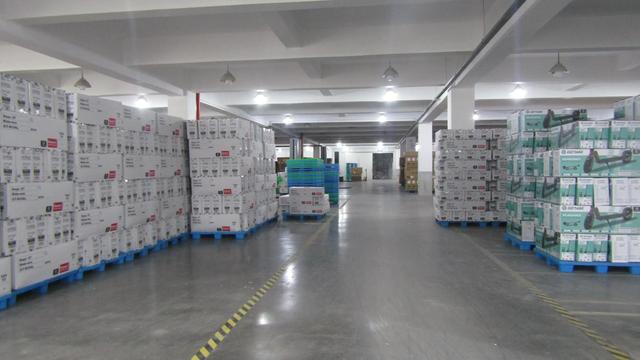
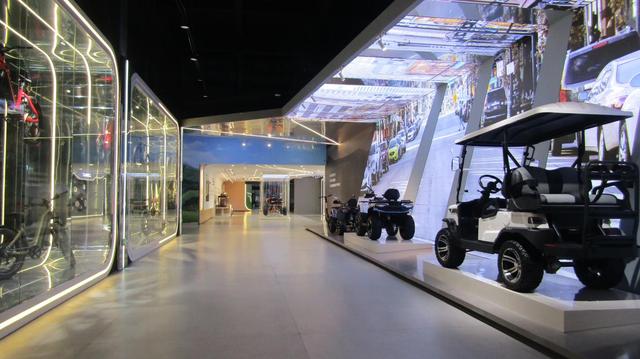
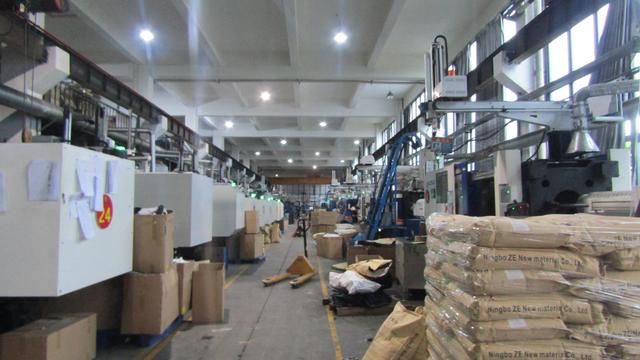
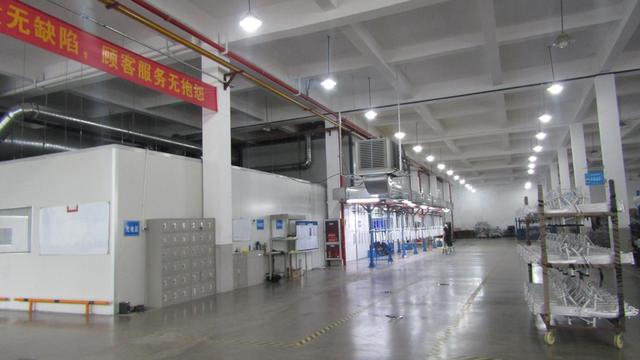
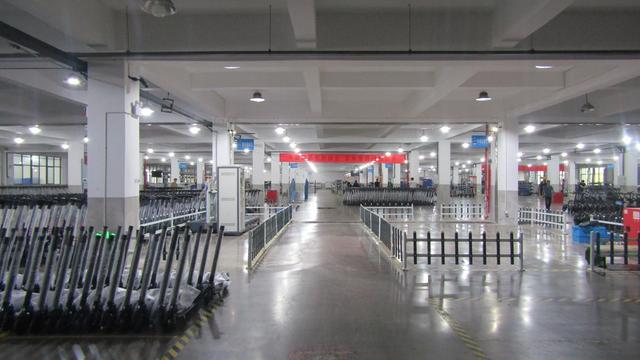
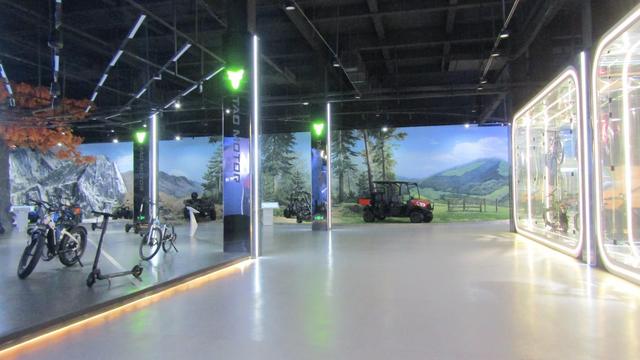
Inside the production facilities of Hangzhou Sarr Golf Co., Ltd. View our specialized assembly lines, engineering workshops, and quality control systems.
Answers to common technical, logistics, and customization questions from global fleet procurement managers.
LiFePO4 lithium batteries weigh 60% less, charge up to 4x faster, and have an operating lifespan of 3,500+ cycles, compared to 500 cycles for lead-acid. They maintain full power throughout their charge cycle and require zero water maintenance, significantly reducing fleet downtime and operational TCO.
Yes, our specialized models are built to meet key international regulatory standards. We offer models with EEC certification for European road registration, as well as CE-compliant designs. For the United States, we can configure models to meet local LSV (Low-Speed Vehicle) regulations, including required lighting, seat belts, and safety features.
Our ODM and OEM services cover multiple configuration options: chassis extensions (for 2, 4, 6, 8, or 14 seats), battery capacity modifications, lift kits with heavy-duty off-road tires, custom cargo bed attachments, custom paint colors, and integrated fleet tracking telematics.
Extremely cold temperatures can temporarily reduce the range of lithium batteries. To mitigate this, our advanced Battery Management Systems (BMS) monitor operating temperatures, and we offer optional heated battery wraps to maintain charging efficiency and range during winter operation.
Standard production runs take 25 to 35 days from deposit confirmation. Custom ODM builds may require additional engineering time. Vehicles are shipped in secure container packaging—either fully assembled or in SKD (Semi-Knocked Down) format to maximize space and reduce import shipping duties.
We provide a comprehensive factory warranty covering the frame, motor, controller, and lithium battery. Replacement parts, including suspension components, body panels, and brake pads, are kept in stock and can be dispatched via air freight to minimize vehicle downtime.
 Sarr Golf