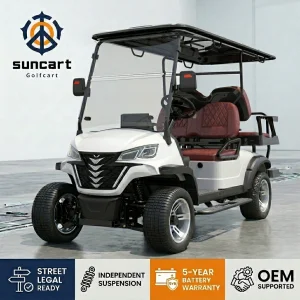
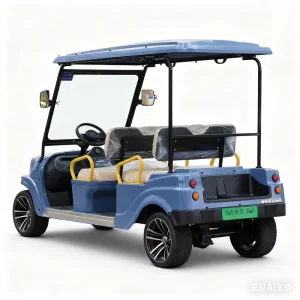
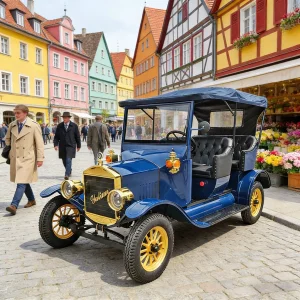
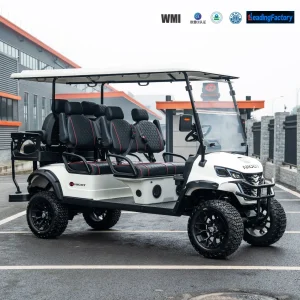
Explore our elite range of high-performance electric buggies, off-road personnel shuttles, and robust utility haulers.
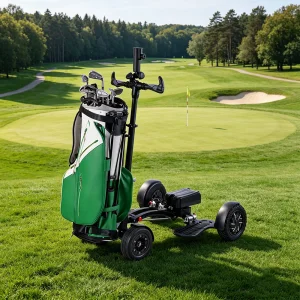
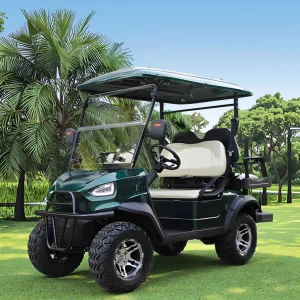
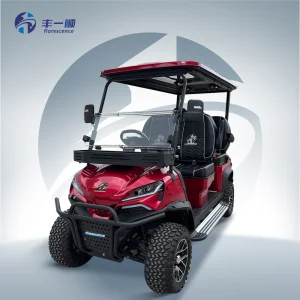
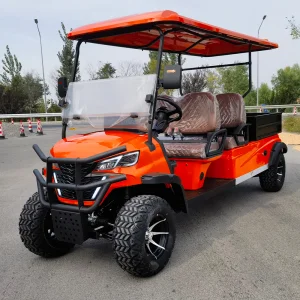
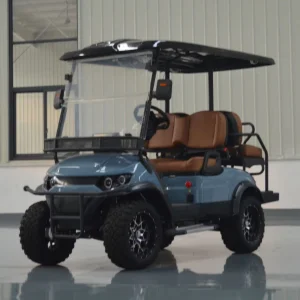
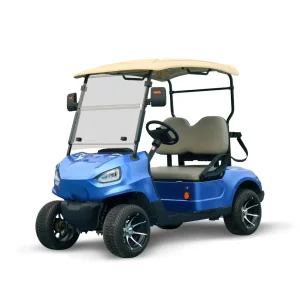
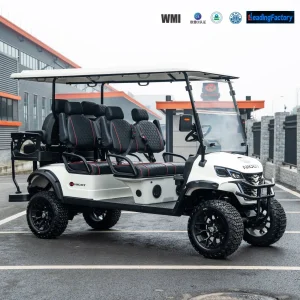
Understanding the transition to zero-emission, low-speed utility fleets in high-end B2B environments.
In the modern hospitality sector, property logistics have emerged as a critical element of operational efficiency and guest satisfaction. Premium hotels, remote wellness retreats, expansive luxury golf courses, and eco-resorts require internal transport solutions that run quietly, produce zero emissions, and operate reliably across varied topographies. The acquisition of utility vehicles, specifically categorized under CE Certified Hotel ATVs and multi-passenger utility carts, has transitioned from a basic facility purchase to a strategic infrastructure decision.
Establishing compliance via the CE (Conformité Européenne) marking is not merely a regional regulatory hurdle; it represents a global benchmark for manufacturing safety, structural integrity, and electrical isolation. Modern resort properties cannot afford the liability of uncertified, sub-standard electric vehicles operating in close proximity to guests and personnel. For this reason, professional B2B procurement managers prioritize factories that demonstrate high compliance capabilities, advanced lithium-ion battery management, and custom configurations built upon heavy-duty materials.
A look into our vertically integrated facilities, testing procedures, and production capability.
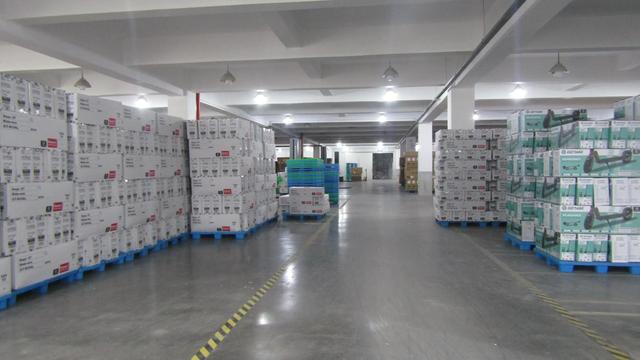
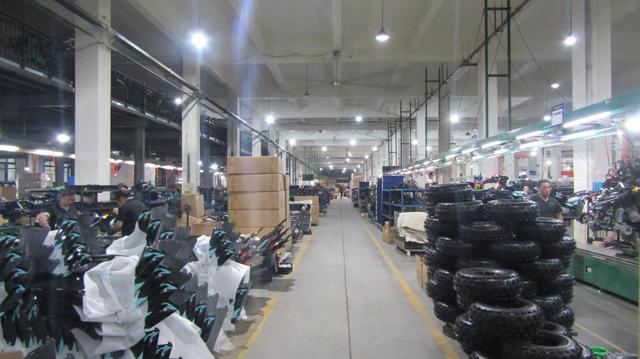
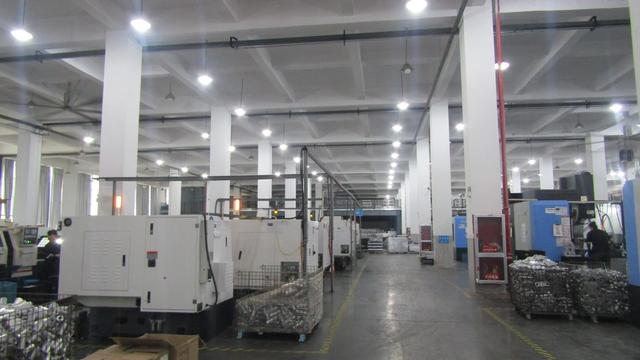
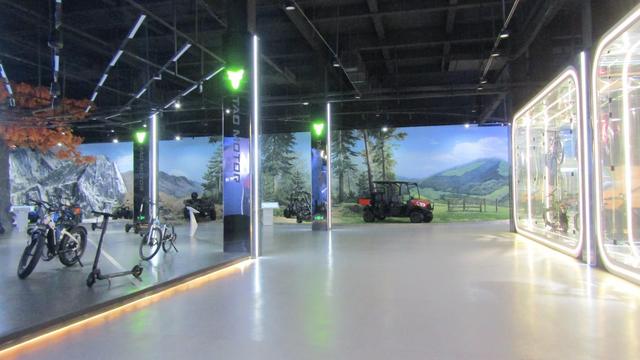
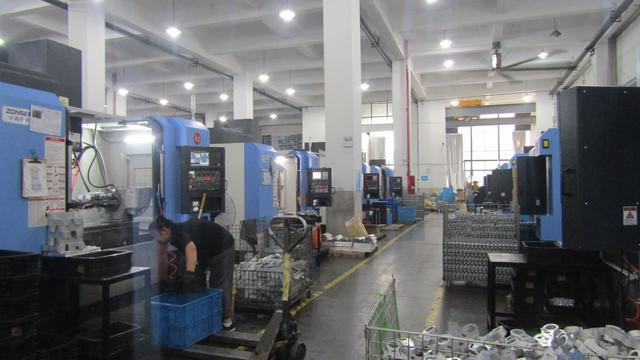
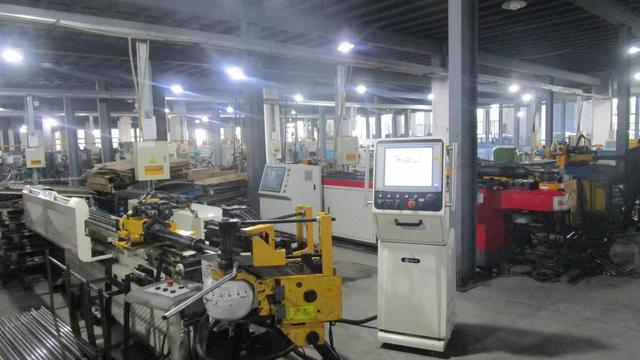
As a premier manufacturer operating in the niche of commercial utility transport, Hangzhou Sarr Golf Co., Ltd. has been at the forefront of the industry since its establishment in 2012. Headquartered in Hangzhou, China, our modern factory covers more than 18,000 square meters of production, welding, paint, and assembly bays. Supported by a workforce of over 180 highly qualified personnel—including electrical powertrain engineers, chassis structure specialists, and international quality assurance leads—we specialize in designing vehicles that bridge the gap between lightweight maneuverability and extreme industrial durability.
Our facility leverages robotic arc welding, automated chemical pre-treatment systems, and electrostatic powder coating plants to ensure that our structural components, whether constructed from high-strength carbon steel or premium aluminum alloys, remain completely impervious to corrosion. This is particularly vital for coastal properties and island resorts where saline environments rapidly degrade standard passenger vehicles.
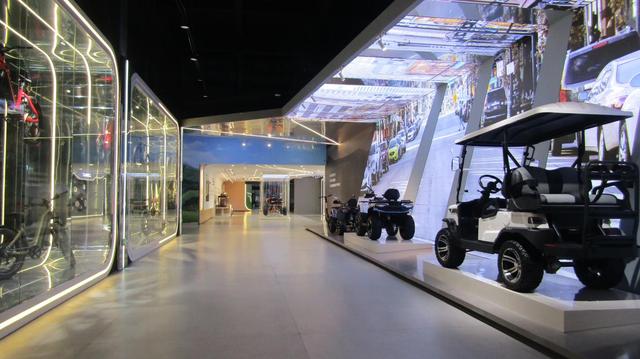
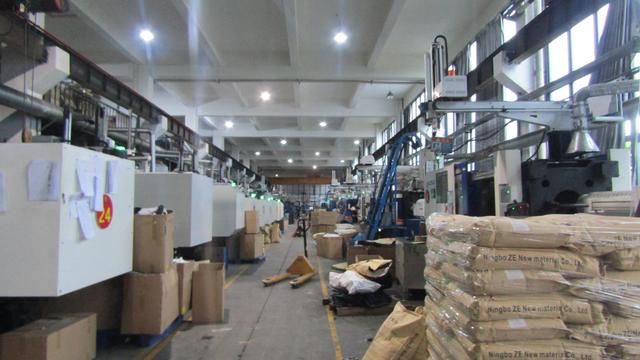
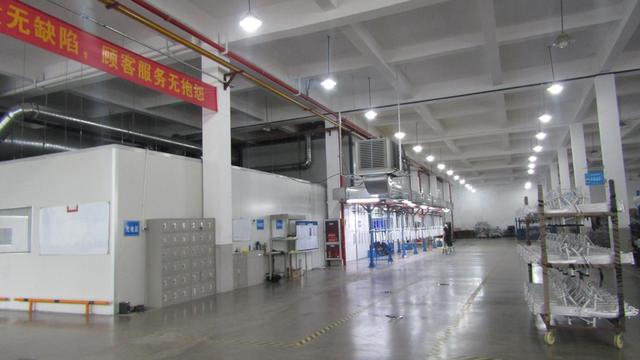
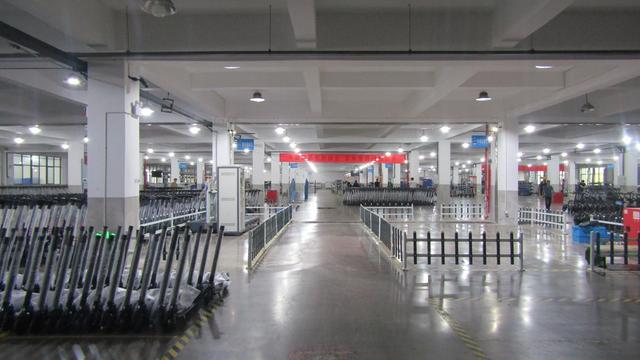
Comprehensive engineering analysis comparing configuration profiles for resort-ready platforms.
Operating off-road transport in commercial environments requires detailed configuration mapping. The mechanical requirements differ significantly depending on whether a vehicle is used for guest VIP shuttling or heavy load facility management. A primary engineering distinction lies in the structural choice of chassis. Aluminum alloy frames offer light overall weight and high resistance to oxidation, making them ideal for high-humidity coastal settings. High-strength carbon steel, conversely, is selected for heavy passenger shuttles and cargo beds requiring superior resistance to mechanical fatigue.
| Feature Parameter | Lightweight Golf Carts (2-4 Seater) | Heavy Commercial Shuttles (6-8 Seater) | Off-Road Utility Carts (with Cargo Box) |
|---|---|---|---|
| Powertrain Motor | 1600W AC Brushless / 4kW AC | 4kW / 5kW AC High-Torque Motor | 5kW AC Motor with Heavy-duty Transaxle |
| Chassis Metallurgy | Extruded Aluminum Alloy | High-Strength Carbon Steel (Coated) | Reinforced Welded Carbon Steel Box-Section |
| Battery Systems | 48V Lead-Acid or 48V Lithium-Ion | 72V Lithium Iron Phosphate (LiFePO4) | 48V / 60V High-Capacity Lithium-Ion |
| Maximum Payload | 150 kg to 300 kg | 450 kg to 600 kg | Up to 800 kg (Towing Capacity: 1.5 Tons) |
| Operational Range | 80 km to 100 km per charge | 70 km to 90 km (Full Load Capacity) | 90 km to 110 km (Depending on Terrain) |
| Minimum Turning Radius | 1.5 meters to 2.4 meters | 2.9 meters to 3.5 meters | 2.2 meters to 2.8 meters |
Every electric drive system is managed by a digital motor controller programmed with regenerative braking protocols. This allows kinetic energy from descent to be harvested and directed back to the storage cells, minimizing battery wear and lowering the overall thermal load on the mechanical braking assemblies.
Tailored distribution models, localization protocols, and stock availability across major markets.
For resorts in the United States and Canada, vehicles are customized to comply with low-speed vehicle (LSV) requirements, including glass windshields, three-point safety harnesses, horn systems, and complete LED lighting configurations.
Our utility fleets bound for Dubai, GCC, and North African markets undergo specialized engineering enhancements, featuring sealed electrical hubs, dust-filtering cabin elements, and battery cooling integrations to withstand ambient operational temperatures exceeding 50°C.
Tailored specifically for Southeast Asian territories like Indonesia, Thailand, and the Philippines, these configurations utilize 100% rust-free aluminum structural rails, water-tight marine-grade wire connectors, and treated plastic paneling to prevent damage from salt spray.
A look into our validation processes, engineering certifications, and international battery safety standards.
True professional manufacturing requires clear compliance verification. At Hangzhou Sarr Golf Co., Ltd., we do not rely on basic claims; we validate our manufacturing output with strict testing protocols. Our vehicles carry comprehensive CE certification, satisfying the requirements of the Machinery Directive (2006/42/EC), the Low Voltage Directive (2014/35/EU), and the Electromagnetic Compatibility (EMC) Directive (2014/30/EU). These certifications ensure that the electric powertrains will not emit electromagnetic waves that could interfere with resort communication systems or surrounding equipment.
Furthermore, our battery modules are shipped with complete MSDS (Material Safety Data Sheets) and UN38.3 test certifications. This documentation is required for international freight forwarding, guaranteeing that the high-capacity lithium iron phosphate (LiFePO4) or lead-acid packs can be safely shipped to international destinations.
Ensures that the electronic components of the vehicle, including the controller and charger, operate without causing radio frequency interference to guest communication networks.
Every chassis design is subjected to simulation software stress testing and real-world shock loading to confirm structural stability under extreme commercial workloads.
All wiring connections, high-voltage battery enclosures, and electric motors are sealed to IP67 standard, allowing operations during heavy rains and monsoon seasons without risk of short-circuits.
Future-proofing resort vehicle investments through smart features and telemetry integration.
As resort properties transition into smart communities, their mobility fleets must integrate with modern management platforms. Our vehicle development roadmap emphasizes the integration of digital features designed for fleet managers. By incorporating high-resolution Android console displays, operators can monitor route information, battery state-of-charge, and speed restrictions directly from the driver cabin.
Looking ahead, autonomous transport systems will play an increasingly prominent role in large-scale properties. Our autonomous project series includes self-driving models equipped with LiDAR arrays and GPS positioning systems. These vehicles are designed to follow pre-mapped pathways throughout expansive resorts, allowing for automated passenger shuttling or luggage distribution with minimal operator input.
Answering key technical and logistical questions for procurement directors and resort managers.
LiFePO4 lithium batteries represent a significant technology upgrade. They offer a cycle life exceeding 3,000 charges at 80% depth of discharge, compared to approximately 500 cycles for standard lead-acid batteries. Additionally, lithium packs reduce vehicle weight by about 150 kg, improving power efficiency, shortening recharge times to under 4 hours, and eliminating the regular maintenance tasks associated with checking water levels in lead-acid cells.
Every vehicle manufactured at our facility undergoes a structured multi-point quality control process. This includes structural testing of the chassis under load, electrical testing to verify insulation resistance, and functional testing on our test track to calibrate steering geometry, braking distances, and incline climbing performance. The CE certification is validated through third-party audits confirming compliance with European safety and electromagnetic emissions directives.
Yes, we provide flexible OEM and ODM services. Procurement clients can customize seating configurations (from 2-person utility models up to 8-passenger shuttle options), select paint finishes matching resort brand guidelines, choose heavy-duty cargo boxes, and specify electrical upgrades like integrated audio systems or Android telemetry dashboards.
Production lead times range from 25 to 35 days from deposit confirmation, depending on the scale of customization requested. Shipping is coordinated through partner ocean shipping lines, with vehicles packed securely in structural steel frames to prevent transit damage. We provide full shipping documentation, including certificates of origin, Bill of Lading, and MSDS safety certifications for battery modules.
We support our international clients with a comprehensive spare parts supply chain. Standard wear components (such as brake pads, suspension bushings, and lighting assemblies) are kept in stock for immediate shipment. For fleet orders, we can supply an initial maintenance kit containing essential replacement parts. Technical support is available via direct video channels with our engineering team, supplemented by detailed maintenance manuals.
Yes, we manufacture street-legal configurations that comply with DOT/LSV regulations in North America and EEC regulations in Europe. These models include safety glass windshields, windshield wiper systems, digital speedometers, integrated seatbelts, complete high/low beam headlights, hazard flashers, and rearview mirrors.
For properties featuring rough trails or sandy areas, we equip our off-road configurations with rugged all-terrain tires, high-clearance suspension setups, front brush guards, and high-torque AC motors (up to 5kW). These elements enable stable climbing on inclines up to 25% while maintaining traction.
Our standard warranty terms provide 12 to 24 months of coverage for the structural chassis, digital motor controller, and AC motor. Lithium-ion battery packs carry extended warranty periods of up to 3 years, depending on the chosen cell specification and operational profile of the fleet.
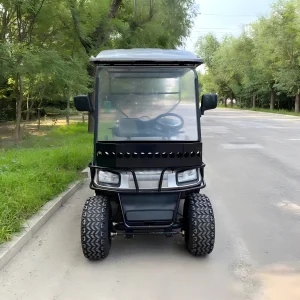
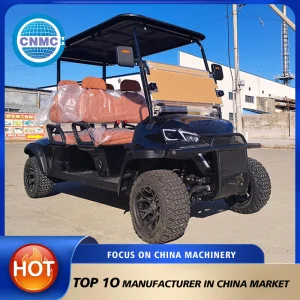
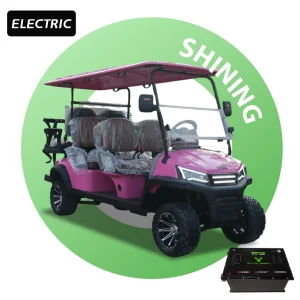
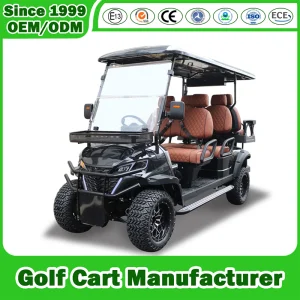
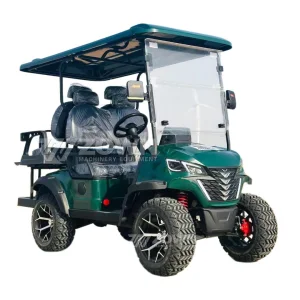
Refined passenger transport and high-capacity solutions designed for large-scale resorts and municipal parks.
 Sarr Golf