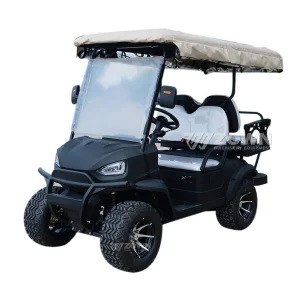
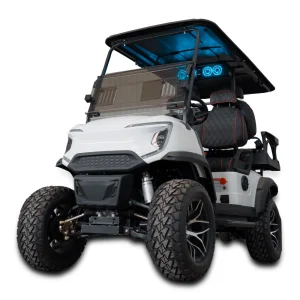
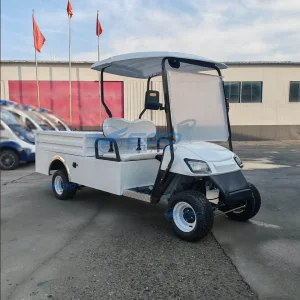
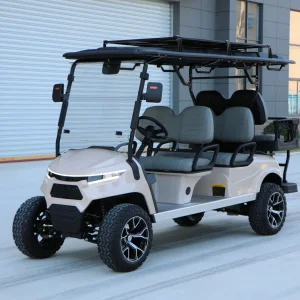
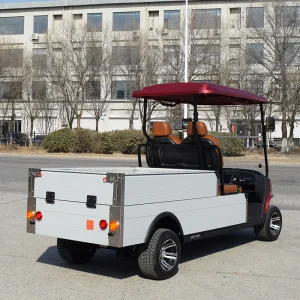
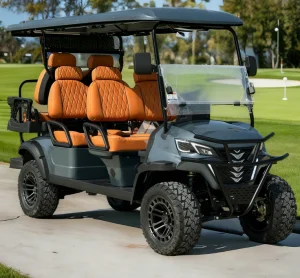
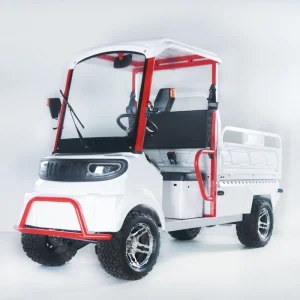
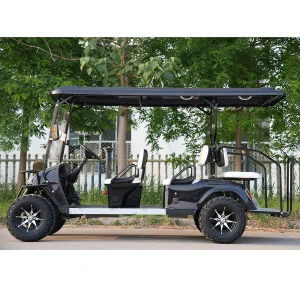
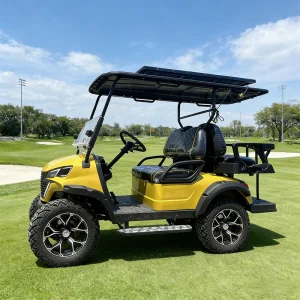
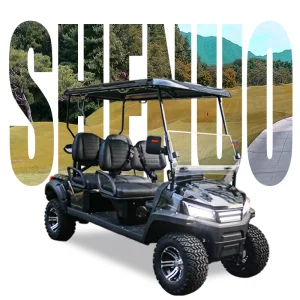
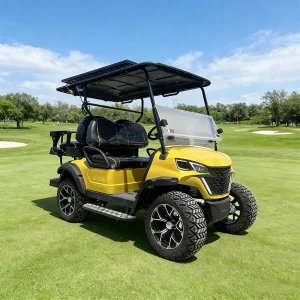
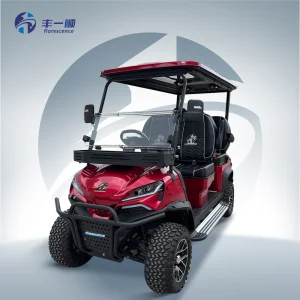
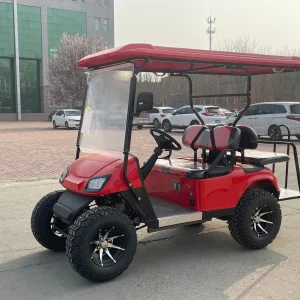
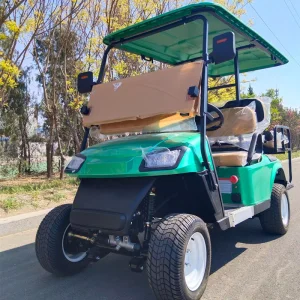
As global enterprises align with Scope 1 emissions reduction goals and aggressive ESG mandates, the demand for zero-emission micro-mobility has shifted from traditional battery electric vehicles (BEVs) to Solar-Assisted Electric Utility Vehicles (SA-EUVs). By leveraging localized off-grid energy generation, commercial fleets drastically lower their Total Cost of Ownership (TCO) while increasing operational uptime.
Established in 2012 and headquartered in Hangzhou, China, Hangzhou Sarr Golf Co., Ltd. stands as a premier manufacturer of high-durability electric vehicles, golf carts, and custom utility transport. Operating within a state-of-the-art 18,000 square meter facility, Sarr Golf employs over 180 skilled professionals, including 25+ senior vehicle engineering, power systems, and quality control experts.
By integrating modern assembly methodologies with strict quality management systems (certified to ISO 9001 and ISO 14001 guidelines), Sarr Golf guarantees that every chassis built meets rigorous safety and efficiency standards. Our in-house research facilities specialize in high-efficiency MPPT (Maximum Power Point Tracking) technology, structural roof-mounted solar integrations, and long-cycle Lithium Iron Phosphate (LiFePO4) battery management systems.
Procurement teams across sectors (airports, municipal governance, hospitality, mining) look beyond upfront acquisition costs, evaluating the Total Cost of Ownership (TCO) over a 7-to-10-year lifespan. Solar-assisted utility vehicles address key issues:
Battery Lifecycle Optimization: Regular grid charging from deeply discharged states accelerates degradation in lead-acid and standard lithium batteries. Continuous solar trickle-charging keeps battery banks in their optimal state-of-charge (SoC) sweet spot (40%-80%), extending operational lifespans by up to 45%.
Infrastructure Independence: Retrofitting industrial parks or remote locations with heavy-duty electric charging stations requires substantial civil works. Solar-assisted vehicles utilize off-grid, canopy-integrated generation, minimizing reliance on fixed grid chargers.
Different industries present varying duty cycles, mechanical stresses, and functional requirements:
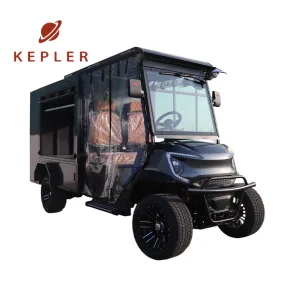
Industrial Parks & Warehousing: Requires high load capacity and heavy-duty cargo boxes. Our 48V/72V systems with lockable rolling doors protect cargo while delivering consistent, low-cost intra-facility logistics.
Airports & Transportation Hubs: Demands reliable 24/7 schedules with minimal down-time. High-efficiency monocrystalline solar panels replenish power during outdoor passenger transfers and terminal transits.
Tourism & Eco-Resorts: Noise reduction and zero emissions protect the guest experience. Solar carts blend into delicate environments, offering clean transport without diesel exhaust or generator hums.
| System Component | Standard Electric Configuration | Advanced Solar-Assisted Configuration | Operational/Performance Benefit |
|---|---|---|---|
| Solar Canopy PV Cells | None (Standard Plastic/Fiberglass Roof) | Flexible Monocrystalline Silicon (22.8% Efficiency) | Generates up to 350W-500W of clean energy on-the-move. |
| Charge Controller | Not Applicable | Smart MPPT (Maximum Power Point Tracking) Controller | Maintains 99.8% tracking efficiency, converting low light into power. |
| Battery Chemistry | Flooded Lead-Acid / Standard AGM | Lithium Iron Phosphate (LiFePO4) - 48V/72V | 3500+ charge cycles, higher energy density, and zero maintenance. |
| BMS Integration | Basic Over-current Protection | CAN-Bus Connected Active Balancing Smart BMS | Monitors cells in real-time, preventing thermal runaway. |
| Regenerative Braking | Resistive / Minimal Feedback | AC Brushless Controller with Smart Regeneration | Recovers kinetic energy during descents, extending range by 12%. |
Sarr Golf is currently developing next-generation integrations, combining telematics with solar output mapping. By feeding real-time meteorological data to the vehicle's onboard display, drivers are routed along pathways that maximize solar exposure, improving natural charging rates. In addition, IoT modules provide remote fleet managers with real-time state-of-health (SoH) diagnostics, location tracking, and accumulated solar-yield stats.
Across North America, Europe, and Asia-Pacific, carbon-neutrality goals drive fleet electrification. However, grid limitations and rising energy tariffs present challenges:
In the United States and Canada, the expansion of municipal street-legal micro-mobility drives the adoption of DOT-compliant, LSV (Low-Speed Vehicle) utility configurations. In Europe, strict urban low-emission zones (LEZs) restrict combustion-engine transport, boosting demand for compact, silent electric and solar utility models.
In sunny regions like the Middle East and Australia, high solar irradiance provides optimal conditions for solar integration, enabling vehicles to run for weeks without requiring grid-plugged charging.
Procuring a wholesale fleet from overseas requires compliance with regional regulations and logistics requirements:
Regulatory Homologation: All Sarr Golf vehicles designed for street-legal configurations conform to DOT FMVSS standards (USA) and EEC guidelines (European Union). Essential components, including tempered safety glass, three-point seat belts, LED headlights, and dual-circuit braking systems, are standard.
Supply Chain Security: We partner with international freight operators to offer DDU/DDP shipping options. Critical components, such as controllers (Curtis, Wolan) and premium Lithium cells, carry global warranties. Sarr Golf provides regional distributors with dedicated spare parts kits, ensuring minimal operational downtime.
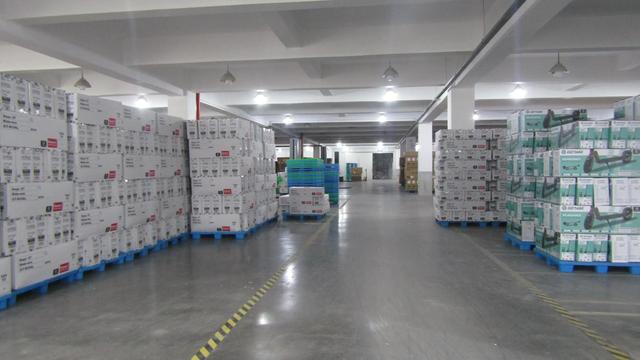
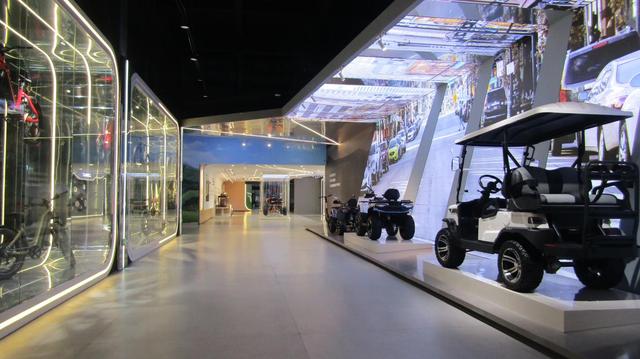
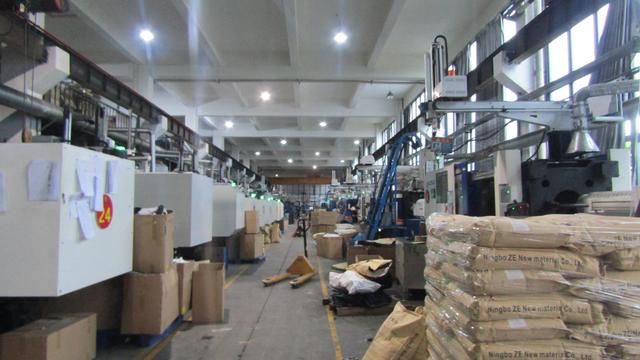
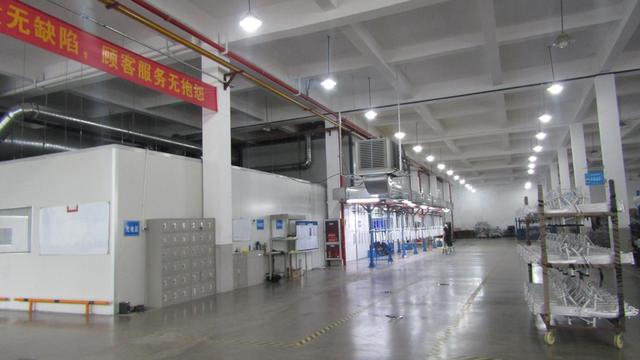
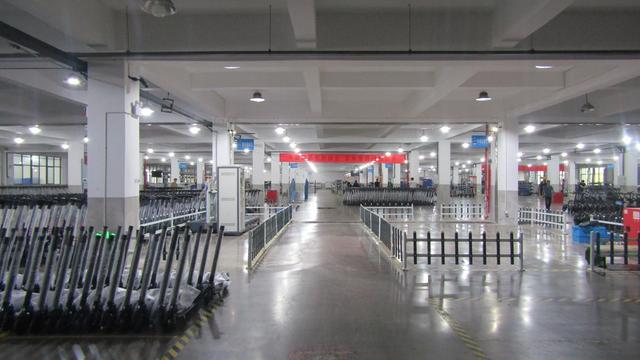
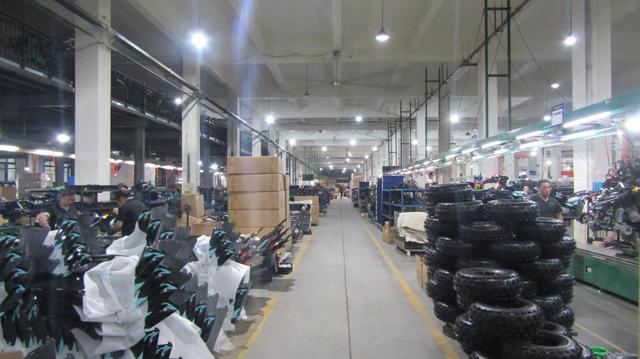
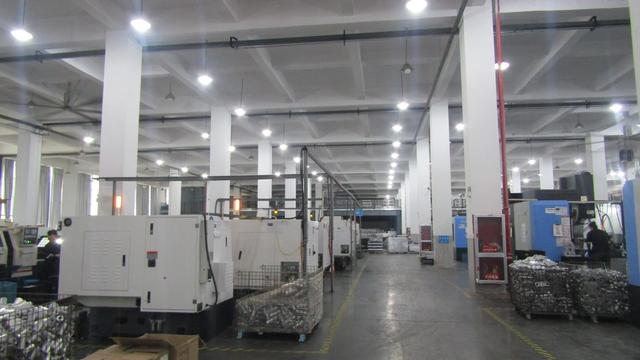
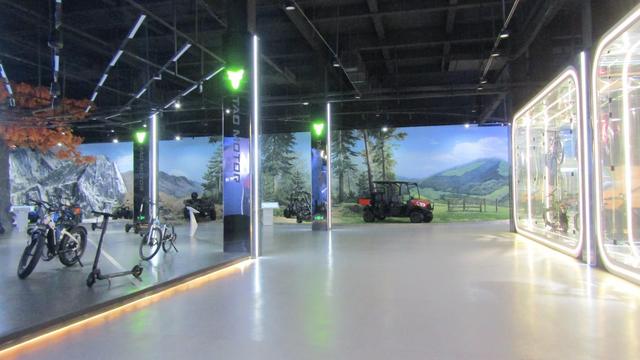
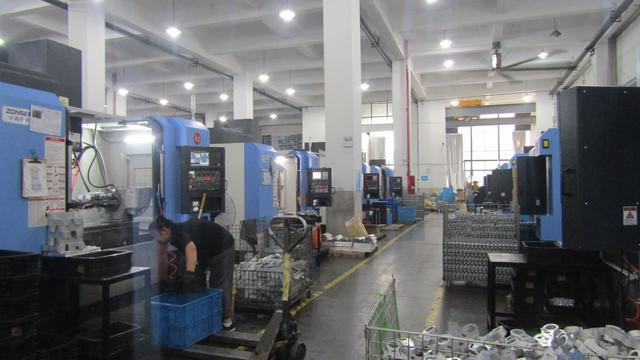
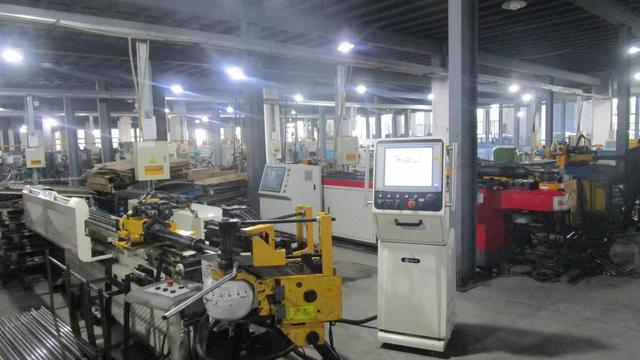
Take a virtual tour inside the Hangzhou Sarr Golf factory. Our facility integrates automated welding, advanced electrophoretic chassis dipping, precision electronics calibration, and rigorous quality inspection lines.
 Sarr Golf