As winter approaches, golf cart owners must consider how to winterize a golf cart effectively. Proper preparation is crucial for maintaining functionality and prolonging the life of your vehicle. Cold temperatures can wreak havoc on batteries and engines, resulting in costly repairs if not addressed.
To winterize a golf cart, it is essential to begin with a full inspection. Check the battery for any signs of wear or corrosion. Clean connections should be secure. Additionally, ensure that the tires are properly inflated and free from damage. This process can seem intimidating, especially for those new to cart maintenance. However, following a step-by-step guide can make this task manageable.
Maintaining your golf cart doesn’t stop at inspection. Adding antifreeze to the cooling system and using a battery maintainer can greatly enhance performance throughout the winter months. It’s important to consider these aspects, as neglecting them could lead to a less reliable golf cart when spring arrives. By understanding how to winterize a golf cart, you're taking proactive steps to protect your investment and enjoy trouble-free rides come warmer weather.
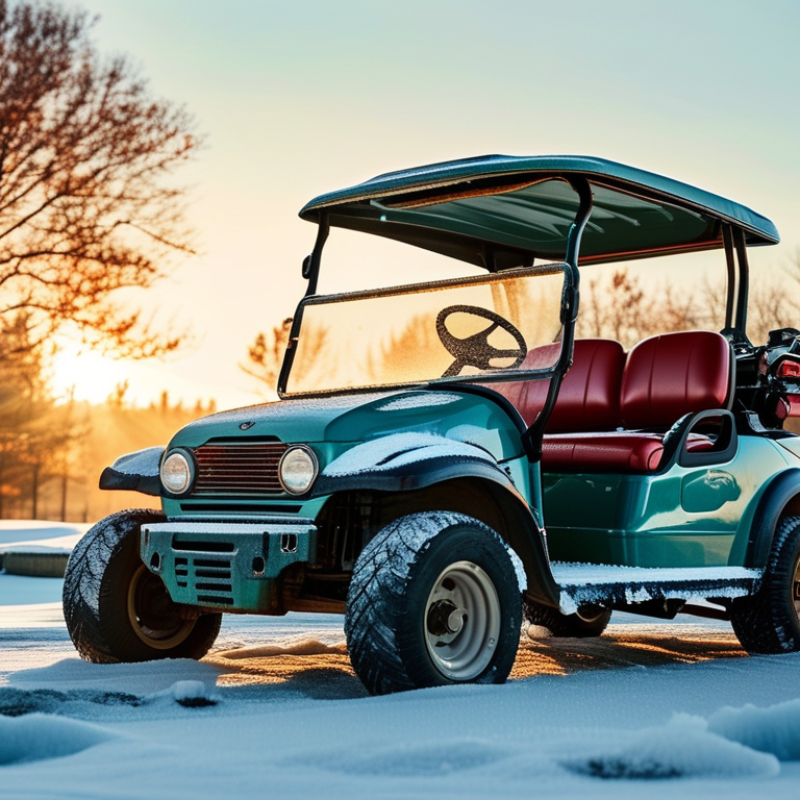
Winterizing a golf cart is essential for maintaining its performance in cold weather. To assess your golf cart’s cold weather readiness, start by checking the battery. Cold temperatures can affect battery life. Make sure terminals are clean and connections are secure. A fully charged battery is necessary to avoid problems.
Next, inspect the tires for proper inflation and tread depth. Cold air can cause tire pressure to drop. Low tires can lead to decreased traction on icy surfaces. If the tires show signs of wear, consider replacing them before winter.
Don't forget about fluids. Check the antifreeze levels in the radiator. Inadequate antifreeze can lead to engine damage. A mixture of water and antifreeze should be balanced well. It's worth noting that not all carts are designed for extreme conditions. Some owners might overlook this, leading to potential problems down the road. Always prepare for colder months with thorough assessments.
Winterizing a golf cart is crucial for maintaining its longevity and performance during cold months. One important task is checking the batteries. According to industry reports, nearly 80% of golf carts fail in cold conditions due to battery issues. Ensure batteries are fully charged before winter storage. Some experts recommend keeping batteries in a warmer area to prevent freezing.
Another key maintenance task is inspecting the tires. Cold weather can lower tire pressure, making them more susceptible to damage. Regularly checking tire pressure and maintaining it as per recommended levels can enhance stability. In fact, a study indicated that properly inflated tires improve overall safety and efficiency by up to 25%.
Lastly, consider using a protective cover. Exposing your golf cart to harsh weather can lead to wear and tear. However, many owners neglect this simple solution. Skipping this step can cause costly repairs down the line. Take the time to protect your investment; keeping it safe from snow and ice is smart.
When preparing your golf cart for cold weather, battery care is crucial. Cold temperatures can drastically reduce battery performance. Research shows that lead-acid batteries lose about 35% of their capacity at 32°F. Proper maintenance can ensure they work efficiently during winter months.
To start, check your battery's specific gravity using a hydrometer. This measure helps you determine the battery's state of charge. If the gravity is below 1.265, it’s time to charge. Additionally, keep the terminals clean to prevent corrosion. Corrosion can increase resistance and lead to battery failure.
Tip: Always store your golf cart in a temperature-controlled environment. Extreme cold can cause batteries to freeze, resulting in permanent damage. A well-insulated garage can be beneficial.
Tip: Regularly check fluid levels in your battery. Low levels can hinder performance. Top off with distilled water if needed. Winter can weigh heavily on batteries, and monitoring is essential for optimal use.
In colder climates, consider using a battery blanket for added heat. This can help your battery maintain a more stable temperature. However, always remain mindful of excessive heat, as it can also harm battery life. Balancing temperature extremes is key for longevity.
Winterizing a golf cart requires careful attention, especially when it comes to tire preparation. Cold weather can significantly affect tire performance. According to the Rubber Manufacturers Association, tire pressure decreases by about 1 PSI for every 10-degree drop in temperature. This means checking and adjusting tire pressure regularly is essential during winter months.
A common mistake is underestimating the importance of tread depth. Golf cart tires should have at least 4/32 of an inch of tread for proper traction on icy surfaces. If your tires are worn out, consider replacing them with winter-approved options. These tires are designed with specialized materials to maintain flexibility in low temperatures.
Tips: Regularly inspect your tires for signs of damage or wear. Keep them inflated properly and store the cart in a dry, temperature-controlled environment when not in use. Remember, the right tires can make a notable difference in safety and performance. Don’t overlook maintenance; your cart deserves the same care as your other winter vehicles.
When winter arrives, protecting your golf cart is essential. Cold weather can cause significant damage if proper precautions aren't taken. One effective solution is investing in a high-quality protective cover. According to industry reports, covering a cart not only prevents frost accumulation but also shields it from UV rays. A sturdy cover keeps the batteries insulated, helping them maintain performance despite low temperatures.
Storage solutions are equally important. Parking the golf cart in a garage or a shed can help regulate temperature. A study by the National Golf Cart Association indicates that carts stored in insulated spaces show fewer maintenance issues compared to those left outside. If indoor storage isn't an option, consider using a tarp as a secondary layer of protection. This low-cost method can be a game-changer in winterizing your cart.
Moreover, it’s crucial to check tire pressure regularly. Cold air can reduce tire pressure, affecting ride quality. A golf cart with under-inflated tires may even become difficult to maneuver in slippery conditions. It’s these small details that can make a significant difference. Make it a habit to inspect your cart before and after winter to ensure optimal performance.
: Inspect the terminals for cleanliness and ensure connections are secure. A fully charged battery is vital.
Cold weather can reduce battery performance by up to 35% at 32°F. Cold can be damaging.
Inadequate antifreeze can cause engine damage. A proper mixture helps prevent freezing.
Regularly check specific gravity with a hydrometer. Clean terminals to avoid corrosion.
Ensure proper inflation and at least 4/32 of an inch tread depth for traction on ice.
Tire pressure drops by about 1 PSI for every 10-degree temperature decrease. Regular checks are key.
Yes, winter-approved tires are designed for better flexibility and performance in low temperatures.
Store it in a temperature-controlled environment and consider using a battery blanket for warmth.
Many owners overlook the importance of tread depth, which is crucial for safety.
Store the cart in a dry, temperature-controlled environment. Regular maintenance is important.
To learn how to winterize a golf cart, it's essential to assess its cold weather readiness by checking various components. Start by ensuring that the battery is properly maintained, as batteries can lose performance in low temperatures. Regular maintenance tasks, such as cleaning and inspecting connections, can extend the life of your golf cart during the winter months.
Additionally, preparing the tires is crucial to ensure safe handling on icy or snowy surfaces. Consider using tires designed for improved traction in winter conditions. Finally, investing in protective covers and appropriate storage solutions will shield your golf cart from harsh weather, preventing damage and ensuring it remains in good condition until warmer months. Following these steps will help you effectively winterize your golf cart for cold weather use.

Sarr Golf