Are Golf Carts Street Legal 10 Tips to Know?

Time:2026-11-27 Author:Ethan
0%

Are golf carts street legal? The answer depends on where you plan to drive, how the vehicle is classified, and whether it meets the requirements that apply locally. A cart that looks ready for the road may still lack important equipment, such as headlights, turn signals, mirrors, seat belts, or a vehicle identification number. Requirements can differ between states, cities, and road types, so a neighbor’s experience may not settle your question.

Before taking the keys, check current guidance from your local motor-vehicle agency and confirm which roads permit your vehicle category. Ask about registration, insurance, driver eligibility, speed limits, and required safety equipment. Keep those details in writing. A quick call can prevent an expensive surprise.

This guide covers ten practical checks, from identifying your cart’s classification to inspecting its lights and tires. It also highlights a common mistake: assuming that permission to drive on one neighborhood street applies everywhere. Small details matter. A missing mirror can change the answer.

No source material or verifiable expert quotation was provided, so I won’t attribute invented words to a named specialist. For a trustworthy expert quote, confirm the wording and credentials with a local vehicle-compliance professional before publication. The rules can change, and this article is a starting point—not a substitute for current local guidance.
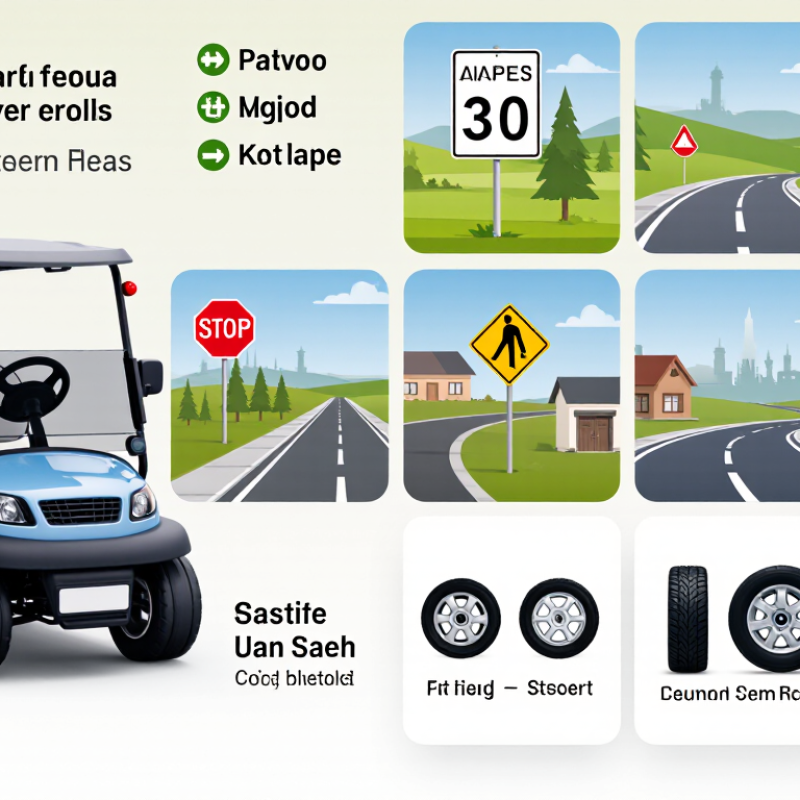
Are Golf Carts Street Legal 10 Tips to Know?

How Street Legality for Golf Carts Is Defined

Street legality is a classification, not an appearance. A golf cart does not become road-legal simply because it has headlights or mirrors. Many jurisdictions distinguish ordinary golf carts from low-speed vehicles, with different equipment and registration requirements. Definitions vary by state, province, and municipality, so check current local transport authority guidance.

Officials may consider a vehicle’s designed top speed, weight, safety equipment, and intended use. Required features can include headlights, brake lights, turn signals, reflectors, mirrors, seat belts, or a windshield. Some areas also require registration, insurance, or a licensed driver. A cart that travels 20 miles per hour on a flat private lane may still fail a public-road standard. Speed alone does not settle it.

The road itself matters. Local rules may limit carts to streets with posted speed limits below a set threshold or allow crossings only at certain intersections. A quiet neighborhood street is not automatically permitted. Check city ordinances as well as broader vehicle rules; they may not match neatly. This is easy to overlook. Keep the cart’s specifications and inspection records handy when contacting local officials. I’d verify its legal category before buying equipment, because retrofits can be costly—and may still not qualify.

Which Golf Cart Types May Be Used on Public Roads

A golf cart’s shape does not determine whether it can use a public road. Local rules may allow standard carts on selected streets, but often only within designated areas or under specific conditions. In other places, ordinary golf carts are restricted to golf courses and private property. Rules vary by country, state, and municipality, so check the road authority before driving. The label can be confusing. A cart that looks road-ready may not meet the local definition of a permitted vehicle.

Low-speed vehicles, sometimes called neighborhood electric vehicles, are a separate category in places that recognize it. They may be designed and equipped for limited-speed road travel, subject to local requirements. Those requirements can include lights, turn signals, mirrors, seat belts, a windshield, a vehicle identification number, registration, and insurance. The exact list differs by jurisdiction. Some areas also restrict these vehicles to roads with posted speed limits below a set threshold. Check the rules for your specific route, not just your neighborhood. A short trip to a nearby shop can cross into a different jurisdiction. That detail is easy to overlook. Don’t assume that adding lights or mirrors converts a standard cart into an approved road vehicle; confirm its classification and permitted use with the relevant local authority.

Are Golf Carts Street Legal? 10 Tips to Know

Which Golf Cart Types May Be Used on Public Roads?

Under the U.S. federal definition, a low-speed vehicle (LSV) must be capable of traveling more than 20 mph, but no more than 25 mph, on a level paved surface. A standard golf cart is not automatically street legal because it can be driven on public roads; state and local rules, required safety equipment, registration, and road-speed limits also matter.

Source: 49 CFR § 571.3. These federal speed thresholds do not determine whether a vehicle may use a particular road.

What Equipment and Documents Street-Legal Carts Require

A golf cart can be street-legal only where local rules allow it. Equipment and paperwork depend on the vehicle’s classification and the roads it will use. A cart driven on a golf course is not automatically approved for public streets. Check the local motor-vehicle agency’s current requirements before buying or modifying one. Rules can change.

Depending on local standards, required equipment may include headlights, taillights, brake lights, turn signals, reflectors, mirrors, a windshield, a horn, and seat belts. Officials may also check tires, maximum speed, and vehicle identification. The exact list matters. Ask for it in writing, since a general online checklist may not match your area. Common documents include proof of ownership, registration, insurance, and inspection records, when required. Keep the vehicle identification number easy to read.

Tips: Test every light and signal before an inspection. Keep document copies in a dry folder inside the cart. Confirm which roads and crossings are permitted; a compliant vehicle may still face route restrictions. Small details are easy to miss. I would recheck the requirements each year, especially after moving or making changes to the cart.

How Local Laws Regulate Routes, Speed, and Drivers

Whether a golf cart is street legal depends on local rules, not its appearance. Cities and counties may restrict carts to roads with lower posted speed limits. Some allow travel only on signed neighborhood routes or at designated crossings. Others prohibit carts on busy streets, even when the trip is short. A permitted route may also change at a town boundary. Check current municipal rules and state vehicle guidance before driving.

Tips: Map the full route first. Look for posted restrictions. Confirm whether crossings are allowed. Ask local officials if signs or online maps are unclear.

Driver and equipment requirements vary by location. A community may set a minimum driver age, require a valid license, or limit operating hours. It may also require lights, mirrors, seat belts, or other safety equipment. Do not assume a cart approved in one town is approved in the next. Keep the local rules handy, and recheck them after seasonal changes. The details can feel fussy, but a quick call to the relevant transport office can prevent a confusing roadside surprise.

How to Check Compliance Before Driving on Public Streets

A golf cart is not automatically street legal because it has headlights or a speedometer. Before driving, confirm how your state and city classify the vehicle. The National Highway Traffic Safety Administration’s Federal Motor Vehicle Safety Standard No. 500 defines a low-speed vehicle as one designed to travel above 20 mph and no faster than 25 mph, with a gross vehicle weight rating below 3,000 pounds. The standard also specifies equipment such as headlamps, turn signals, tail lamps, reflectors, mirrors, seat belts, and a parking brake. Meeting that definition alone does not guarantee permission on every public street.

Check the vehicle’s identification number and paperwork, then ask your local motor-vehicle agency whether registration, a plate, insurance, or inspection is required. Confirm which roads allow the vehicle and whether local speed limits restrict access. Rules can change across a town line. Inspect the brakes, tires, lights, mirrors, and seat belts before each trip; test the turn signals in daylight and again at dusk. A quick driveway check helps, but it is not proof of compliance. Keep photos of required equipment and written guidance from the relevant agency with your records. NHTSA’s FMVSS No. 500 is a useful technical reference, but local requirements still matter.

Are Golf Carts Street Legal? 10 Tips to Know — How to Check Compliance Before Driving on Public Streets
Tip What to Check How to Verify Why It Matters
1 Find your local rules Check your state motor-vehicle agency’s rules and the ordinances for your city or county. Ask whether golf carts may use public streets, and where. Street-use rules vary by location. Permission in one town does not automatically apply in another.
2 Identify the vehicle category Confirm whether the vehicle is treated locally as a golf cart, a low-speed vehicle (LSV), or another vehicle class. Do not assume that adding equipment changes its legal classification. Different vehicle classes can have different equipment, registration, and operating requirements.
3 Check LSV standards if applicable Under the federal LSV definition, the vehicle generally has four wheels, a maximum speed greater than 20 mph but not greater than 25 mph, and a gross vehicle weight rating below 3,000 pounds. Confirm that the vehicle was manufactured and certified for the applicable standards. A typical golf cart is not automatically a federally compliant LSV just because it can reach a certain speed.
4 Verify required safety equipment For an LSV, check the applicable requirements, which can include headlamps, front and rear turn signals, tail lamps, stop lamps, reflectors, mirrors, a parking brake, a windshield, seat belts, and a vehicle identification number (VIN). Required equipment depends on vehicle classification and local law; incomplete equipment can make street operation unlawful or unsafe.
5 Confirm the permitted roads and speed limits Look up road-by-road restrictions and the maximum posted speed allowed for your vehicle class. Federal rules generally limit LSV operation to roads with speed limits of 35 mph or less, subject to state and local rules and exceptions. A vehicle may be street-legal on some roads but prohibited on nearby faster roads or specific routes.
6 Check registration, title, and license plates Ask the state motor-vehicle agency whether the vehicle must be titled, registered, inspected, and display a plate. Check whether a VIN and manufacturer documentation are required. Registration and documentation rules differ by state and vehicle class; local street permission may not replace state requirements.
7 Confirm insurance requirements Contact your state motor-vehicle agency and insurer to determine whether liability insurance or other coverage is required for the vehicle’s classification and intended use. A homeowners or recreational policy may not provide the coverage required for public-road use.
8 Check driver eligibility Verify minimum age, driver-license, permit, and supervision rules for your location and vehicle type. Do not assume that a golf-cart permit is accepted everywhere. Driver requirements can vary by jurisdiction and may be stricter on public streets than on private property.
9 Review night, passenger, and safety rules Check local requirements for operating after dark, passenger seating, seat belts, child restraints, helmets, and other safety measures. Use only designated seats and follow the vehicle’s passenger limits. Some places restrict hours or passengers, and safety equipment may be required even when street access is allowed.
10 Get confirmation before driving Keep relevant registration, insurance, inspection, and compliance documents available. If rules are unclear, get guidance from the state motor-vehicle agency or local law-enforcement authority before using public streets. Requirements can change, and written confirmation helps you verify that the vehicle and route comply with current rules.

FAQS

Does adding headlights make a golf cart street-legal?

No. Appearance alone does not determine legal status. Officials may consider speed, weight, safety equipment, and intended use.

Can a cart that reaches 20 miles per hour use public roads?

Not necessarily. A cart traveling 20 miles per hour on a private lane may still fail public-road standards. Speed alone is not enough.

What equipment might a street-approved cart need?

Depending on local rules, it may need lights, turn signals, reflectors, mirrors, a windshield, a horn, or seat belts. Check the exact list.

What documents should an owner keep?

Keep proof of ownership, registration, insurance, and inspection records when required. Make sure the vehicle identification number is readable. A dry folder helps.

Can a golf cart use any quiet neighborhood street?

No. Some areas restrict carts to signed routes, lower-speed roads, or designated crossings. A short trip may still use a prohibited street.

Do driver requirements vary by location?

Yes. Local rules may set a minimum age, require a valid license, or limit operating hours. Check before handing over the keys.

Can a cart approved in one town be driven in the next?

Not always. Rules can change at a town boundary. I’d check the full route, even if the next street looks familiar.

What should owners check before modifying a cart?

Confirm its legal category and local requirements first. Retrofits can be costly and may not qualify the cart. I might overlook a small rule, so I’d ask local officials.

Conclusion

Are golf carts street legal? The answer depends on where you plan to drive and how the vehicle is equipped. Some areas allow certain golf carts or low-speed vehicles on selected public roads, while others limit their use to private property or designated routes. Local rules may set requirements for lights, mirrors, seat belts, identification, insurance, or registration, so a cart’s appearance alone cannot confirm that it is ready for street use.

Before driving, check the rules for your specific location and route. Pay attention to permitted roads, speed limits, crossing restrictions, and driver eligibility, as these can vary between nearby communities. Review the cart’s equipment and documents, and confirm that they meet local requirements. Taking these steps helps you understand whether a particular cart may be used on public streets and where it can be driven safely and appropriately.

Ethan

Ethan

Ethan is a seasoned marketing professional with a deep expertise in our company's innovative product line. With a passion for sharing knowledge and insights, he takes the lead in regularly updating our corporate blog, where he explores industry trends, product features, and effective marketing......