In today's business environment, mobile solutions are key. One effective way to increase your business mobility is by customizing a golf cart. Many organizations, from resorts to warehouses, recognize the benefits of adapting these vehicles. But how to customize a golf cart for business use?
Start with identifying your specific needs. Consider factors like passenger capacity, storage options, and brand representation. Adding features like cargo baskets or signage can enhance utility and visibility. However, customization comes with challenges. You may overspend or miscalculate what features are truly necessary. A thoughtful approach is essential for maximum impact.
Investing time to plan can lead to extensive benefits. Imagine your staff easily transporting materials in a well-equipped golf cart, boosting efficiency. Addressing these details will reflect your commitment to professionalism. With the right modifications, these carts can serve as valuable assets in various business contexts.
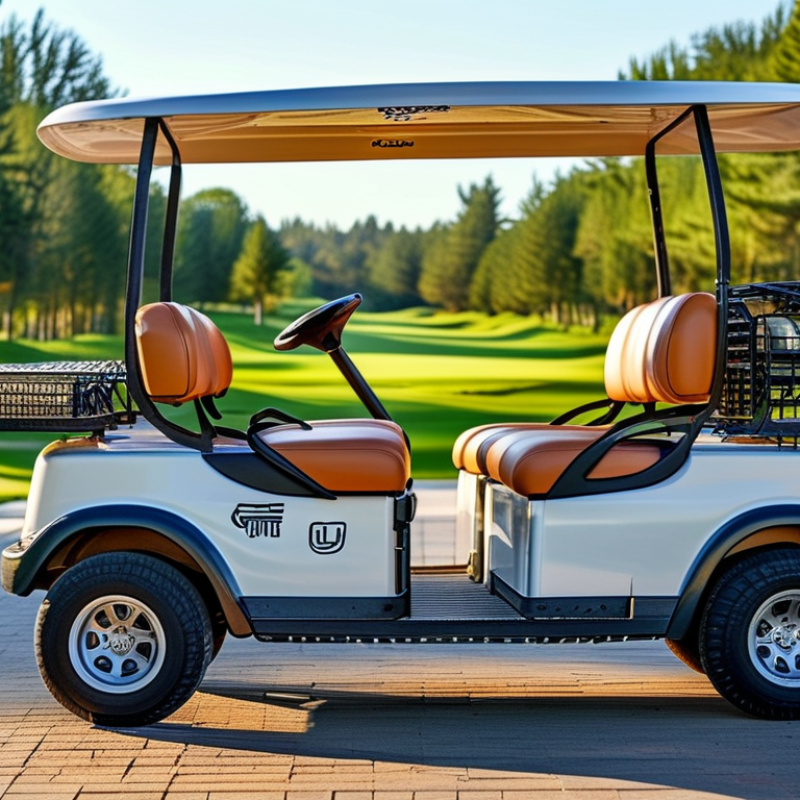
When considering golf cart customization for business use, it's essential to identify specific needs. Start by assessing the environment in which your cart will operate. Will it navigate rugged terrains or indoor facilities? Each scenario demands different specifications. This groundwork helps shape your customization journey.
Next, think about the features that enhance functionality. Adding storage compartments can be vital for transporting supplies. Alternatively, an upgraded battery may support longer operational hours. Consider advertising spaces on the cart's exterior. This can serve a dual purpose: a functional vehicle and a mobile advertisement for your business.
However, customization isn't without its challenges. Some upgrades may not align with your budget. Additionally, over-customizing can lead to vehicles that are hard to maintain. Reflect on balancing your needs with cost and practicality. Each decision should enhance your operational efficiency and fit your business ethos.
When customizing your golf cart for business use, selecting the right accessories is crucial. Practicality should be your priority. Consider adding storage solutions like cooler compartments or cargo boxes. This facilitates easy transport of materials, enhancing efficiency during work tasks.
Comfort and convenience also matter. Invest in ergonomic seating and weather protection. A quality canopy can shield employees from the sun. Adding convenient features like USB chargers ensures devices stay powered throughout the day.
While balancing aesthetics and functionality is important, avoid overloading the cart with unnecessary accessories. Simplicity can often lead to better performance. Additionally, think about the specific needs of your business. Reflect on how often your employees will use the cart. Tailoring it to those requirements helps in making informed decisions.
When customizing a golf cart for business, effective visual branding is crucial. Studies show that over 70% of consumers form an opinion about a company based on its visual appearance. This includes the branding on your golf cart. A well-designed cart can act as a mobile advertisement.
Consider color schemes that reflect your brand identity. Consistent use of colors can enhance brand recognition by up to 80%. Graphics should be simple yet memorable. A cluttered design may confuse potential customers, diluting your message. Use high-quality materials to ensure durability. Weather-resistant graphics maintain visibility and uphold the brand’s integrity over time.
While customization is vital, it’s important to reflect on your approach. A unique design may attract attention, but it can also misrepresent your business if not aligned with your core values. Gathering feedback from your team can provide insight into design effectiveness. Tracking customer engagement will highlight whether your cart’s branding resonates. Statistics indicate that effective visual branding can increase customer loyalty by 40%. Design boldly, but remain true to your business essence.
In the ever-evolving landscape of business, customizing golf carts with the right technology can drastically enhance operational efficiency. Recent industry reports indicate that businesses that leverage technology in their transportation solutions see a 20% increase in productivity.
Integrating GPS tracking systems into golf carts allows businesses to monitor usage patterns and optimize routes. This not only saves time but also reduces fuel costs.
Additionally, installing communication devices enables team members to coordinate effortlessly on the go. According to a survey conducted by the National Association of Golf Cart Manufacturers, over 40% of businesses experienced enhanced communication after implementing tech solutions in their golf carts. However, relying solely on technology can sometimes create gaps in personal interaction. It’s essential to balance automation with human touch.
Moreover, outfitting carts with storage solutions tailored to specific business needs can improve workflow. For instance, adding compartmentalized storage for tools or supplies can streamline processes and reduce clutter. While many businesses have made significant strides in these areas, it's crucial to continuously evaluate and adapt these enhancements.
Regular feedback from users can offer insights that lead to even better customization strategies, ultimately enhancing the effectiveness of golf carts for business use.
Customizing golf carts for business use is an appealing opportunity but carries its own set of challenges. When modifying carts, compliance with local regulations is critical. Some regions require specific safety standards, like lights or seat restraints. According to the National Golf Cart Association, around 30% of commercial carts fail inspections due to non-compliance. Businesses need to be vigilant about these regulations to avoid potential fines.
Understanding zoning laws is also essential. Some municipalities limit where modified golf carts can operate. For example, local ordinances might restrict the use of customized carts on public roads or sidewalks. Failing to adhere to these rules can lead to legal issues, which can diminish your business's credibility. It is advisable to consult with local authorities or legal experts before making modifications.
Inadequate research on compliance can lead to costly mistakes. Surveys indicate that 25% of businesses face operational disruptions due to regulatory non-compliance. Regular checks and updates on local laws are necessary. This ensures that your golf cart remains within the legal framework while serving its intended purpose effectively.
| Feature | Description | Local Regulation Compliance |
|---|---|---|
| Safety Lights | Add LED lights to improve visibility and ensure safety during low light conditions. | Check local regulations for requirements on lighting systems for golf carts. |
| Speed Governor | Install a device to limit the speed of the golf cart for safety in public areas. | Confirm compliance with state speed limits for golf carts on roads and pathways. |
| Custom Branding | Add decals or wraps to promote your business through your golf cart. | Ensure your branding adheres to local advertising regulations and ordinances. |
| Enclosures | Equip your cart with weather enclosures for all-season use. | Verify compliance with local zoning laws regarding cart modifications. |
| Seating Capacity | Upgrade seats to accommodate more passengers for tours or shuttles. | Check local laws regarding maximum seating capacity for vehicles. |
: Visual branding significantly influences consumer perception. A well-branded cart acts as a mobile advertisement.
Using consistent color schemes can boost brand recognition by up to 80%. Choose colors that reflect your brand identity.
Graphics should be simple and memorable. Cluttered designs can confuse customers, diluting your message.
Integrating GPS and communication tech can enhance operational efficiency. Businesses report a 20% productivity increase.
Non-compliance with local regulations can lead to fines. About 30% of commercial carts fail inspections.
Research local zoning laws and safety requirements. Consulting legal experts can help avoid costly errors.
Gathering user feedback helps evaluate design effectiveness. Regular adjustments can enhance utility and user experience.
While tech enhances efficiency, it may hinder personal connections. Balance automation with human touch for best results.
Effective visual branding can increase customer loyalty by 40%. Align your design with your business's core values.
Continuous evaluation of features can lead to better customization strategies. Adapt based on user insights for improved effectiveness.
Customizing a golf cart for business use involves several critical steps to ensure it meets specific operational needs. First, it is essential to identify your business requirements, which will guide the selection of appropriate accessories that enhance the cart's functionality. From storage solutions to seating arrangements, each accessory should align with the intended purpose of the golf cart.
Moreover, effective visual branding is vital for promoting your business, allowing you to design a golf cart that reflects your company’s identity. Adding technology enhancements can further improve efficiency, facilitating better communication and operational management. Lastly, ensuring compliance with local regulations is crucial to avoid legal issues. By following these guidelines, businesses can learn how to customize a golf cart for business use effectively, maximizing both utility and brand visibility.

Sarr Golf