Understanding how to charge a golf cart battery correctly is crucial for optimal performance. According to industry reports, improper charging can reduce battery life by up to 50%. Golf cart batteries, often lead-acid or lithium-ion, require specific charging practices to maintain efficiency. A well-charged battery improves the cart's range and overall functionality.
Many owners overlook manufacturer guidelines. Failing to follow these can lead to undercharging or overcharging, both detrimental to battery health. Studies show that over half of golf cart users are unaware of the correct charging cycles. Regularly checking voltage and ensuring proper charging methods can prevent costly repairs down the road.
Furthermore, it's important to recognize the environmental impact of charging practices. Disposing of batteries incorrectly contributes to pollution. Thus, understanding how to charge a golf cart battery correctly not only enhances performance but supports sustainability. Revisiting operational techniques can make a significant difference in longevity and efficiency.
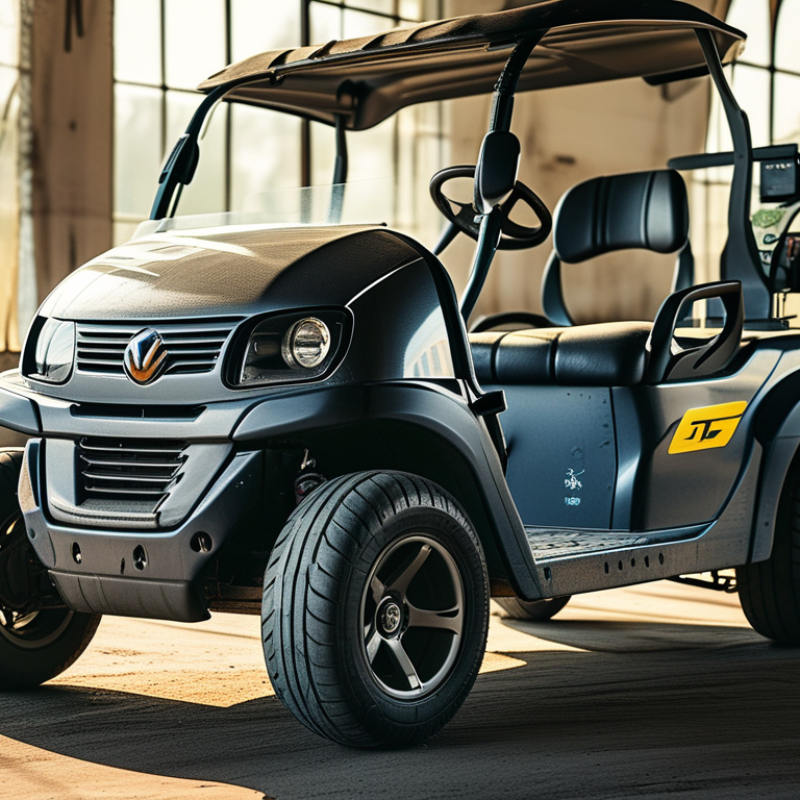
Golf cart batteries come in different types, each with unique charging needs. The most common types are lead-acid and lithium-ion batteries. Lead-acid batteries, known for their affordability, require regular maintenance. They need to be fully charged after each use to avoid sulfation. Lithium-ion batteries, on the other hand, offer longer life and quicker charging. They don't require maintenance, but it's crucial to avoid overcharging.
Understanding how to charge each battery type properly is vital. Lead-acid batteries should be charged slowly, preferably overnight. Fast charging can cause heat buildup, reducing battery life. Meanwhile, lithium-ion batteries charge more efficiently but should never be allowed to deplete completely. This habit can diminish their performance over time. Consider using a smart charger, which can adjust the charge rate based on the battery type.
Many golf cart users overlook these specifics. Not all chargers work for every battery type, which can lead to frustration. Some batteries are left uncharged too long, leading to permanent damage. Proper care is essential. It ensures that your golf cart performs at its best, allowing you to enjoy every round of golf without worries.
Charging a golf cart battery correctly is crucial for maximizing its performance and lifespan. One key factor affecting charging efficiency is the voltage used during the process. According to industry reports, using a charger that matches the battery’s voltage specifications can increase charging efficiency by about 15%. Overcharging can lead to a decrease in performance, reducing battery lifespan by up to 25%.
Temperature plays another critical role. Batteries perform best within a specific temperature range, typically between 70°F and 80°F. Charging a battery in extreme temperatures, whether hot or cold, can lead to reduced charging efficiency. In colder climates, for example, the chemical reactions within the battery slow down, sometimes requiring up to 20% longer to charge fully.
Furthermore, the type of battery also impacts how it should be charged. Lead-acid and lithium-ion batteries have different charging needs. Lead-acid batteries often require equalization charges to balance cells, while lithium-ion ones benefit from smart charging technology. Ignoring these specifications can lead to performance issues. Many users overlook these details, resulting in suboptimal operation. Effective management of these factors can significantly enhance battery performance and longevity.
Charging a golf cart battery correctly is crucial for
maintaining its longevity and performance. A well-maintained battery can last up to
six years, according to industry studies. Regular charging can prevent
sulfation, a common issue that reduces battery efficiency. Always use a dedicated charger designed for the
specific type of battery in your golf cart, as improper chargers can lead to overcharging or undercharging.
To charge effectively, first ensure the battery bank is clean and free from corrosion.
Connect the charger to the batteries without exposing terminals to moisture. Most experts recommend charging the battery when
it reaches about 50% discharge. Allowing the battery to deplete too much
can significantly shorten its lifespan. Timing is key; ideally, charge your battery overnight.
Monitoring the charging status can prevent overloading, which might cause battery failure or even a fire.
Pay attention to the ambient temperature. Battery performance declines in
extreme heat or cold. Some users neglect to account for temperature fluctuations, leading to inefficient charging cycles. Consider
installing a battery monitor to track usage and avoid common pitfalls.
Proper charging not only enhances performance but ensures a safer user experience. Always refer to your battery's specific guidelines
for best results.
Charging a golf cart battery seems straightforward, yet many users make common mistakes that hinder battery performance. One prevalent issue is overcharging. Industry reports show that overcharged batteries can lose up to 30% of their capacity over time, significantly reducing their lifespan. Golf cart users often charge batteries longer than necessary, believing it will enhance performance. In reality, this damages the cells, leading to premature failure and costly replacements.
Another mistake to avoid is allowing the battery to deplete completely before recharging. Batteries should ideally recharge when they reach around 20% capacity. A study from the Battery University indicates that deep discharging can reduce the overall battery life by nearly 50%. Many users overlook the importance of regular monitoring, leading to unexpected performance issues on the course. Additionally, dirty terminals and corroded connections can negatively impact charging efficiency. Ensuring clean connections aids in a proper charge cycle, enhancing performance and longevity. Referring to industry standards can help users avoid these pitfalls and maintain optimal battery health.
| Common Mistakes | Description | Impact on Performance | Recommendation |
|---|---|---|---|
| Overcharging | Leaving the charger connected longer than necessary. | Can lead to reduced battery lifespan and overheating. | Use a smart charger that automatically stops when fully charged. |
| Using Incorrect Charger | Using a charger not designed for your specific battery type. | Can cause damage and void warranties. | Always check compatibility before using a charger. |
| Ignoring Maintenance | Neglecting to check water levels in flooded batteries. | Can lead to sulfation and decreased capacity. | Regularly monitor and maintain electrolyte levels. |
| Charging while Discharged | Charging a battery that is excessively discharged. | May cause irreversible damage to the battery. | Avoid deep discharges and recharge promptly. |
| Poor Ventilation | Charging in a non-ventilated area which can trap heat. | Can cause overheating and damage to battery components. | Charge in a well-ventilated area to allow for heat dissipation. |
Maintaining your golf cart battery is crucial for optimal performance and longevity. Regular maintenance ensures that your battery functions efficiently and lasts longer. A well-maintained battery helps you avoid unexpected breakdowns on the course.
Tips for maintenance: Include regularly checking battery water levels. Low water levels can lead to damage. Always use distilled water. Keep terminals clean and free of corrosion. A simple brush with baking soda and water can do wonders.
Charging practices also play a significant role. Avoid overcharging or letting the battery drain completely. Both actions can significantly reduce battery life. It's wise to charge your battery after a round of golf, even if it feels still strong. Timely charging keeps the battery healthy and ready for your next outing.
: Lead-acid and lithium-ion batteries are the most common types used in golf carts.
Lead-acid batteries need slow charging, ideally overnight, to avoid heat buildup and extend lifespan.
They must be fully charged after each use to prevent sulfation and maintain performance.
Overcharging lithium-ion batteries can lead to diminished performance and potential damage.
Recharge when the battery reaches around 20% capacity to avoid deep discharging.
Yes, dirty terminals and corroded connections can hinder charging efficiency and performance.
Fast charging can cause heat buildup, reducing the lead-acid battery's life over time.
Regular monitoring prevents unexpected performance issues and ensures timely recharging.
Users should avoid overcharging and allowing batteries to deplete completely before recharging.
A smart charger is recommended as it adjusts the charge rate based on the battery type.
Understanding how to charge a golf cart battery correctly is essential for maximizing its performance and longevity. Different types of golf cart batteries, such as lead-acid and lithium-ion, have unique charging needs that must be met to ensure efficiency. Key factors affecting charging include temperature, charge current, and the state of the battery.
A step-by-step guide for properly charging involves checking the water level, selecting the appropriate charger, and monitoring the charging process to prevent overcharging. Additionally, avoiding common mistakes, such as neglecting maintenance or using the wrong type of charger, is crucial. Regular maintenance practices, such as cleaning terminals and ensuring proper water levels, can greatly enhance battery life and performance. By following these guidelines, golfers can ensure their carts are always ready for the course.

Sarr Golf