When considering the purchase of a golf cart, it's crucial to ask, "what should I check before buying a golf cart?" According to John Taylor, a golf cart expert with over two decades of experience, “Ensuring the cart fits your needs is essential to a satisfying purchase.”
Many factors impact your decision. First, think about the intended use. Will you use it on a golf course, or for personal transportation? This will influence your choice. Next, inspect the cart's condition. Look for signs of wear and tear, especially on the batteries and tires. If these elements are neglected, you might face unexpected costs soon after your purchase.
Also, consider the cart's features. Does it have enough storage or seating capacity? Reflect on your lifestyle and preferences. Remember, a hasty decision may lead to regrets. Gathering information and asking questions will empower you, making the process smoother. Thus, understanding what to check will ensure you make an informed choice.
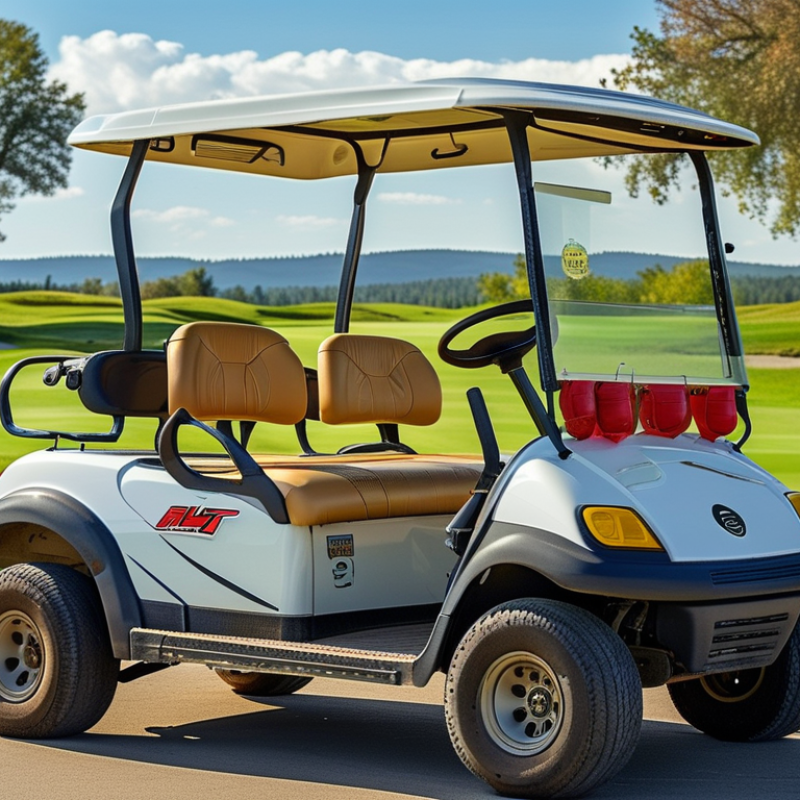
Choosing the right golf cart type starts with understanding your specific needs. Golf carts are not one-size-fits-all. Different environments and purposes require different features. For example, if you plan to use the cart primarily on the golf course, a basic two-seater may suffice. However, if you intend to drive it around a large estate or neighborhood, a more robust model with better ground clearance might be necessary.
Research indicates that around 70% of golf cart users prioritize comfort and storage space. Explore options that provide ample seating and compartments. Electric carts tend to offer superior quiet operation and energy efficiency, making them a popular choice for residential use. Battery technologies have advanced, providing longer ranges that make them suitable for extended outings.
Tip: Consider a test drive. It's essential to check how the cart feels while driving. Comfort and handling can vary significantly between models.
Also, be mindful of the terrain. If you'll be navigating hilly areas, seek carts equipped with stronger motors and enhanced braking systems. The right cart adapts to your lifestyle. A well-researched purchase saves you frustration later.
Tip: Set a realistic budget. Golf carts range widely in price, and it’s easy to be swayed by flashy features. Focus on what truly meets your needs. Look for customer reviews and industry reports that can guide your decision-making.
: Start by understanding your needs. Different environments require different features.
Electric carts provide quiet operation and better energy efficiency. Battery technology now supports longer ranges.
A test drive helps assess comfort and handling. Each model can feel very different.
Always inspect the service history and look for potential hidden issues. Test drive for comfort.
Maintenance costs can accumulate. Tires, batteries, and servicing add expenses yearly.
Yes, insurance is crucial. Some areas may require liability coverage, impacting your overall budget.
You may need enhanced shocks or all-terrain tires. These modifications can improve safety and performance.
New carts have the latest features and warranties. However, they can be more expensive initially.
Used carts can have hidden issues, especially with battery life. Always do thorough research.
Focus on initial costs and consider ongoing expenses like maintenance and insurance for an accurate budget.
When considering what should I check before buying a golf cart, it's essential to start by understanding your needs and the intended use of the cart. Different golf cart types cater to various requirements, whether for golfing, neighborhood cruising, or property maintenance. Evaluating the pros and cons of new versus used carts can also impact your decision; new carts may offer modern features and warranties, while used options could present significant savings.
Additionally, key features to look for when inspecting a cart include battery life, storage capacity, and the condition of tires and brakes, ensuring the cart is safe and functional. Budget considerations extend beyond the purchase price, factoring in maintenance, insurance, and potential upgrades. Finally, a test drive is crucial; pay close attention to handling, noise levels, and acceleration to determine if the cart meets your expectations and preferences.

 Sarr Golf