Owning a golf cart can enhance your leisure experience, but it's essential to consider the costs involved. According to industry expert John Smith, “Understanding how much does it cost to own a golf cart is crucial for any potential buyer.” His insights shed light on the unexpected expenses that arise after the initial purchase.
The purchase price of a golf cart varies significantly. New models can range from $5,000 to over $15,000. However, this is just the starting point. Maintenance, insurance, and storage also add to the ongoing costs. For example, annual maintenance could cost around $300, while insurance might range from $100 to $300, depending on coverage options.
Additionally, many owners overlook factors like battery replacement. Quality batteries may cost between $800 to $1,200 and typically last 5 to 7 years. It’s a reminder that the excitement of ownership comes with responsibility and careful financial planning. The journey of owning a golf cart is rewarding but requires thoughtful consideration of the total investment.
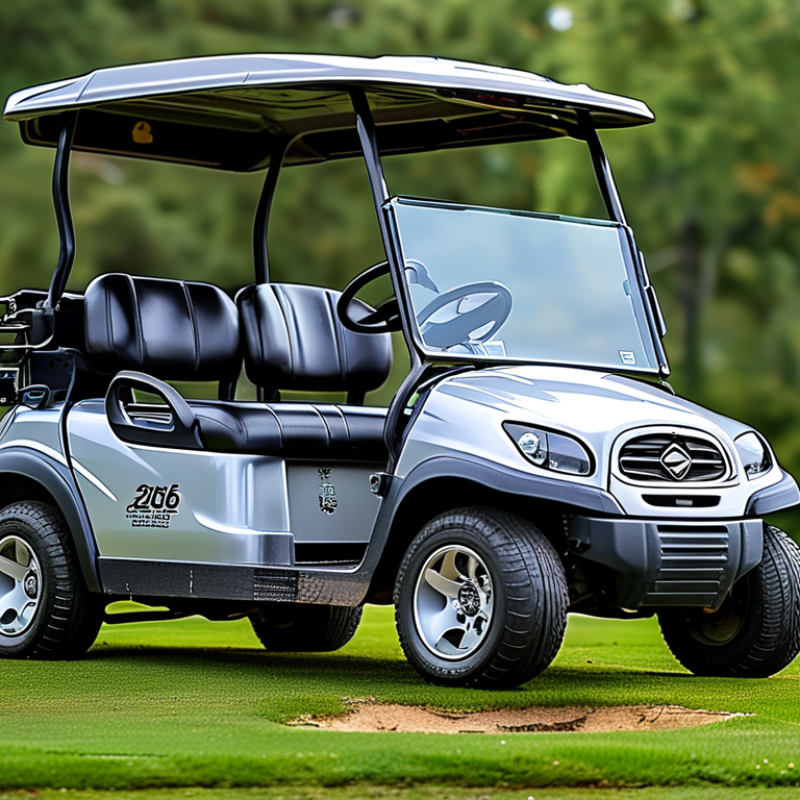
Understanding the Initial Purchase Price of Golf Carts
When considering the purchase of a golf cart, the initial cost is a crucial factor. Prices can vary significantly based on the model and features. Basic carts typically start around $3,000, while more advanced models can exceed $10,000. Factors such as size, battery type, and additional features contribute to these price differences. Buyers should also consider whether they want a new or used option, as used carts can offer substantial savings.
While budgeting for a golf cart, it’s essential to think beyond just the purchase price. Maintenance costs can add up, including battery replacements and tire care. Regular upkeep is necessary to ensure longevity, which many new owners overlook. Fuel or charging costs should also be factored into the overall ownership cost.
It's easy to underestimate the total expense involved in owning a golf cart. Many buyers only focus on the sticker price. Understanding the complete financial commitment will make for a more informed decision. Engaging with experts and fellow golf cart owners can provide valuable insights.
Exploring Additional Costs: Insurance and Registration Fees
Ownership of a golf cart comes with various costs that go beyond the initial purchase price. One of the most significant additional expenses is insurance. According to a report from the National Insurance Institute, golf cart insurance can range from $100 to $500 annually, depending on the cart's value and coverage level. This expense may seem minimal compared to other vehicles, yet it is essential for financial protection.
Registration fees also play a crucial role in ownership costs. These fees can vary widely by state, often falling between $20 and $200. In places where golf carts are registered as low-speed vehicles, additional registration categories apply, potentially increasing costs. Some localities may require periodic inspections, adding to the overall expenses.
Maintenance and repair costs should not be overlooked. Regular servicing can average around $100 to $300 per year. Factors such as battery replacement and tire checks can further add to this figure. While these expenses are often unexpected, they are vital for ensuring safety and longevity. Planning for these costs can help avoid financial strain and promote responsible golf cart ownership.
2026 Best How Much Does It Cost to Own a Golf Cart? - Exploring Additional Costs: Insurance and Registration Fees
| Cost Component |
Estimated Cost |
Notes |
| Initial Purchase Price |
$5,000 - $15,000 |
Depending on type (electric, gas, etc.) |
| Insurance |
$100 - $300 per year |
Varies by coverage level |
| Registration Fees |
$15 - $50 per year |
Depends on state laws |
| Maintenance |
$200 - $400 per year |
Routine services and parts |
| Charging Costs (Electric) |
$100 - $300 per year |
Depends on usage and local rates |
| Accessories (e.g., covers, lights) |
$200 - $800 |
Variety of optional add-ons |
Maintenance Expenses: Keeping Your Golf Cart in Top Shape
Maintaining a golf cart is essential for longevity and performance. According to the National Golf Cart Association, regular maintenance can prevent major repairs, which are costly. The average annual maintenance cost ranges from $200 to $600, depending on usage and condition.
Key maintenance tasks include battery care, tire checks, and brake inspections. Batteries, which can cost between $800 and $1,500, need replacement every three to five years. Proper charging and cleaning can extend battery life significantly. Tires should be checked regularly for wear, with replacements averaging around $150 each. Overlooking tire maintenance can lead to performance issues and safety hazards.
Additionally, owners should plan for routine inspections. Some users may underestimate the frequency needed for maintenance. Neglecting maintenance can lead to more serious issues, driving costs up. A lack of attention can result in a golf cart that performs poorly, impacting the enjoyable experience of driving it on the course or within communities. Staying proactive and informed can help mitigate unexpected expenses.
Electric vs. Gas: Fuel Costs and Their Impact on Ownership
When considering golf cart ownership, fuel type plays a significant role in costs. Electric golf carts require charging and often have lower fuel costs than gas carts. However, electricity rates fluctuate and depend on your local utility provider. Gas carts, on the other hand, offer higher power for longer distances but consume more fuel. It's essential to evaluate your usage pattern and local fuel prices before deciding.
**Tip:** Calculate annual fuel costs. For electric carts, estimate your monthly charging expenses. For gas models, track your fuel usage and prices at local stations. Comparing these costs can help you budget better.
Maintenance also varies between electric and gas carts. Electric carts generally require less upkeep. Gas carts may need more frequent oil changes and engine repairs. Reflect on your mechanical skills when assessing potential long-term costs. If you're not comfortable with maintenance, opt for a type that aligns with your preferences.
**Tip:** Keep a log of expenses. Document fuel costs and maintenance over time. This practice helps in understanding the total cost of ownership.
2026 Cost Comparison of Golf Cart Ownership: Electric vs. Gas
This chart illustrates the annual costs associated with owning electric versus gas golf carts in terms of fuel, maintenance, and insurance, providing a clear cost-benefit analysis for potential buyers.
Resale Value and Depreciation: What to Expect Over Time
When considering the resale value and depreciation of golf carts, understanding their market trends is essential. Golf carts generally lose value over time, similar to cars. On average, you might see a 20% to 30% drop in value after the first few years. Factors like age, condition, and market demand play a crucial role in determining resale prices.
Tips: Regular maintenance can preserve the cart's condition, aiding in better resale value. Keep detailed service records to showcase the cart’s history to potential buyers.
The type of golf cart you choose can also affect depreciation rates. Electric carts tend to hold value better than gas-powered ones. Keep in mind that modifications might offer convenience but could lower resale appeal.
Tips: Research the market before making upgrades. Understand what buyers value in a used golf cart. What might enhance your experience could limit future demand.
Conclusion
When considering how much does it cost to own a golf cart, it's essential to evaluate various aspects beyond just the initial purchase price. The base cost of a golf cart can vary widely based on features and brand, but potential owners should also factor in ongoing expenses such as insurance and registration fees.
Additionally, maintenance costs play a crucial role in ownership, as regular upkeep is necessary to ensure optimal performance and longevity. Fuel type also influences overall costs; electric carts typically require less maintenance, but their charging needs can add up, while gas carts may have fluctuating fuel expenses. Finally, understanding resale value and depreciation is vital for future financial planning, as these factors will affect the cart's worth over time. Overall, a comprehensive approach to these elements will provide prospective buyers a clearer picture of the total cost of ownership.

 Sarr Golf