Commercial golf carts are no longer limited to quiet rounds beside the clubhouse. Hotels, resorts, campuses, airports, factories, and retirement communities now depend on them every day. Buyers want vehicles that move guests, tools, luggage, and staff without constant interruptions. The real question is not only what features should a commercial golf cart have, but which features remain useful after months of hard service.
Kevin Holleran, former E-Z-GO president, once emphasized a practical fleet principle: “Commercial vehicles must be dependable, easy to maintain, and designed for the work they perform.” That idea still matters in 2026. A strong commercial golf cart should offer lithium-ion battery efficiency, predictable range, fast charging, and a clear battery-management display. It should also provide weather protection, comfortable seating, strong suspension, LED lighting, durable storage, and dependable braking. Safety deserves equal attention. Seat belts, mirrors, horns, speed controls, and visible warning signals can reduce daily operating risks. Small details matter.
Maintenance access matters too. Fleet managers cannot afford long service delays because a technician needs hours to reach one component. Modular parts, diagnostic systems, corrosion-resistant frames, and readily available replacements can lower ownership costs. Connectivity is becoming valuable, but it should support real work rather than create expensive complexity. GPS tracking, usage reports, and remote fault alerts may improve fleet control. Sometimes, however, a simple vehicle is better.
The imperfect choice is often the honest one. A premium model may offer impressive technology but exceed the site’s actual needs. Buyers should test turning space, slopes, loading weight, charging routines, and operator habits before deciding. The best commercial golf cart is practical, safe, serviceable, and ready for tomorrow’s workload.
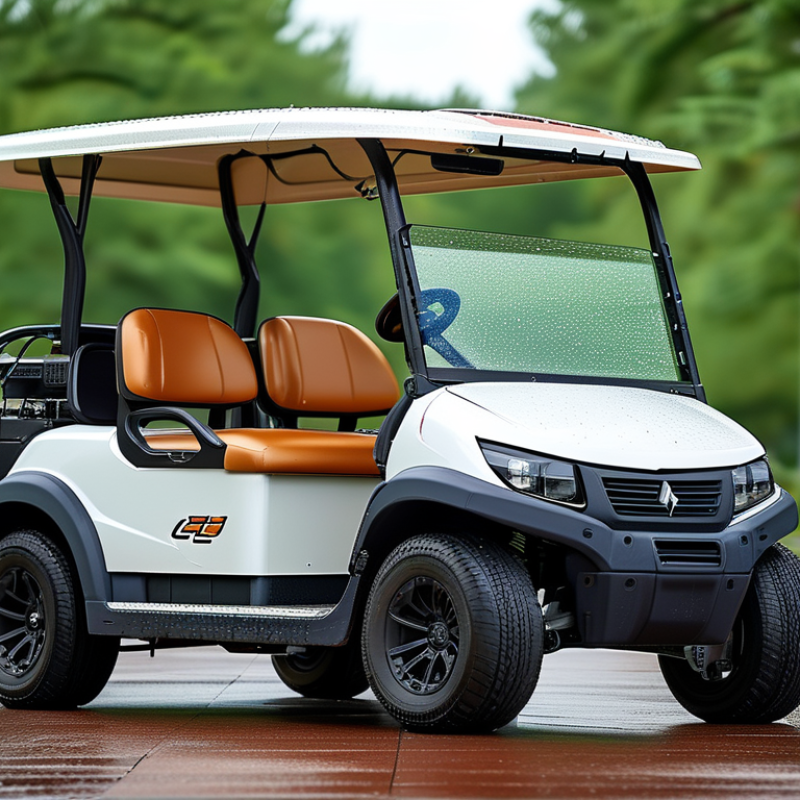
Commercial golf carts are compact electric or fuel-powered vehicles designed for repeated workplace transport. They move guests, staff, tools, luggage, and maintenance supplies across resorts, campuses, farms, and event grounds. Unlike recreational carts, commercial models need stronger frames, safer access, and dependable service support. Buyers often look for efficient batteries, weather protection, headlights, mirrors, seat belts, and practical cargo space. A quiet motor also matters near hotel rooms, clinics, and classrooms.
In 2026, buyers increasingly want lithium battery systems, clear charge displays, regenerative braking, and suspension suited to uneven paths. Fleet managers should check charging time, expected daily range, tire durability, and replacement-part availability. A four-seat cart may suit guest transport, while a utility bed works better for landscaping teams. Test the turning radius with a loaded vehicle. Empty demonstrations can mislead.
Tips: Measure your narrowest route before ordering. Ask for documented load ratings and maintenance intervals. Confirm local operating requirements with a qualified adviser. Include weatherproof storage for tools and charging equipment. One overlooked detail is operator training. Even simple controls need clear instruction. A perfect cart does not exist; choosing excessive capacity can increase cost and reduce efficiency. Recheck your actual routes after one busy month. That evidence may challenge your original specification.
A practical comparison of commercial golf cart features, operating requirements, and common buyer priorities.
| Feature / Requirement | Typical Commercial Specification | Why Buyers Want It | Best-Fit Applications | Buyer Priority |
|---|---|---|---|---|
| Vehicle Type and Capacity | 2–8 seats; utility models commonly include a rear cargo bed or platform. | Matches passenger volumes, cargo needs, and site-layout limitations. | Resorts, campuses, airports, hospitals, hotels, warehouses, and event venues. | Essential |
| Electric Powertrain | Battery-electric drive with zero tailpipe emissions and low operating noise. | Reduces local exhaust emissions and supports quieter operation in occupied areas. | Indoor facilities, pedestrian areas, hospitality sites, and environmentally regulated locations. | Very High |
| Usable Driving Range | Often approximately 40–80 km per charge, depending on battery, load, terrain, speed, and weather. | Helps prevent mid-shift charging interruptions and supports route planning. | Large campuses, parking operations, resorts, and multi-building facilities. | Very High |
| Battery and Charging System | Lead-acid or lithium-ion battery options; charging time varies from several hours to an overnight cycle. | Charging speed, battery life, and maintenance directly affect fleet availability and total cost of ownership. | High-utilization fleets, shift-based operations, and sites with limited charging space. | Very High |
| Payload and Towing Capacity | Common utility payloads are approximately 250–500 kg; towing capability varies by configuration. | Ensures the vehicle can safely carry tools, supplies, luggage, waste, or maintenance equipment. | Facilities management, groundskeeping, warehouses, construction sites, and municipal operations. | Very High |
| Safety Equipment | Seat belts, headlights, brake lights, turn signals, mirrors, horns, parking brakes, and occupant handholds where applicable. | Supports safer passenger transport and helps meet site rules and applicable road-use requirements. | Public-facing venues, mixed pedestrian areas, campuses, and managed private roads. | Essential |
| Braking, Suspension, and Terrain Capability | Automotive-style hydraulic braking may be available; suspension and ground clearance vary by model and terrain package. | Improves control, passenger comfort, and reliability on slopes, uneven surfaces, and wet ground. | Golf facilities, outdoor attractions, parks, farms, resorts, and utility routes. | High |
| Weather Protection | Roof, windshield, curtains, doors, wipers, and weather-resistant seating can be specified according to climate. | Extends operating seasons and improves comfort for passengers and drivers. | Outdoor hospitality, campuses, airports, parks, and year-round transport services. | High |
| Accessibility and Passenger Comfort | Low-step entry, grab rails, stable seating, clear passenger access, and wheelchair-compatible configurations where required. | Supports inclusive transportation and reduces boarding difficulty for passengers with limited mobility. | Healthcare facilities, airports, hotels, campuses, and public venues. | Essential |
| Fleet Management and Telematics | Optional GPS location, usage data, maintenance alerts, battery monitoring, and geofencing may be integrated. | Improves utilization tracking, preventive maintenance, security, and fleet accountability. | Multi-vehicle fleets, large campuses, rental operations, and dispersed facilities. | High |
| Maintenance and Serviceability | Accessible service points, durable tires, replaceable wear parts, diagnostic support, and scheduled inspections. | Reduces downtime and makes fleet operating costs more predictable. | Continuous-use fleets and organizations without large maintenance teams. | Very High |
| Total Cost of Ownership | Purchase price plus energy, charging infrastructure, tires, maintenance, batteries, insurance, training, and expected service life. | Provides a more accurate comparison than upfront price alone when selecting a commercial fleet. | All commercial applications, especially fleets operating for multiple shifts or many years. | Essential |
Note: Specifications are typical commercial-market ranges and can vary according to vehicle configuration, battery type, terrain, passenger load, local regulations, and operating conditions.
Strong torque helps carts climb service roads, carry equipment, and maintain speed with several passengers. It matters most on slopes and near loading areas.
Match battery capacity to real shifts, not showroom estimates. Eight hours of stops, hills, and heavy loads can reduce range quickly. Test it loaded.
Fast, controlled charging can reduce downtime. Battery cooling and charging safety are equally important. Regenerative braking may reduce brake wear on long downhill routes.
Durable suspension protects passengers and cargo on uneven paths. Wide tires provide better traction after rain, especially near grass edges and maintenance zones.
A tight turning radius saves time around storage sheds and crowded walkways. It also reduces repeated reversing and awkward three-point turns.
Check predictable braking, seat belts, strong handrails, and bright lighting. Test each feature while the cart carries a realistic load. Brochures are not enough.
Step-through access and low entry height can make boarding easier. Check floor space, ramp angles, turning room, and door clearance for mobility aids.
Supportive seats, easy steering, low vibration, and weather protection reduce fatigue. A quiet ride helps too. Small details become noticeable after eight hours.
Clear battery readings, service alerts, and usage records can reveal problems early. Small faults often become expensive when ignored. That lesson is easy to forget.
Not always. Extra power may increase energy use, while heavier batteries can affect handling. Test the cart on actual routes with real users and loads.
Commercial golf carts are practical utility vehicles designed to move people, equipment, and materials efficiently across campuses, resorts, warehouses, hospitals, event venues, and other large properties. In 2026, buyers are looking beyond basic transportation and asking, “what features should a commercial golf cart have?” The answer depends on the operation, but key priorities include dependable performance, strong payload capacity, stable handling, durable construction, and sufficient range for daily routes.
Battery and charging options should support efficient energy use, quick turnaround, and predictable operating costs. Buyers should also evaluate safety systems, weather protection, comfortable seating, easy entry, visibility, and accessibility features for different users. Smart controls, usage monitoring, navigation support, configurable storage, and purpose-built accessories can further improve productivity. Ultimately, the best commercial golf cart balances performance, comfort, customization, maintenance needs, and total ownership value, helping organizations select a reliable vehicle that fits their workload and long-term operational goals.

 Sarr Golf